
    Summer 2026 Programs Now Open! Limited spots — limited spaces available!Explore programs →

    Program Type

    Marine & Ocean Conservation Programs

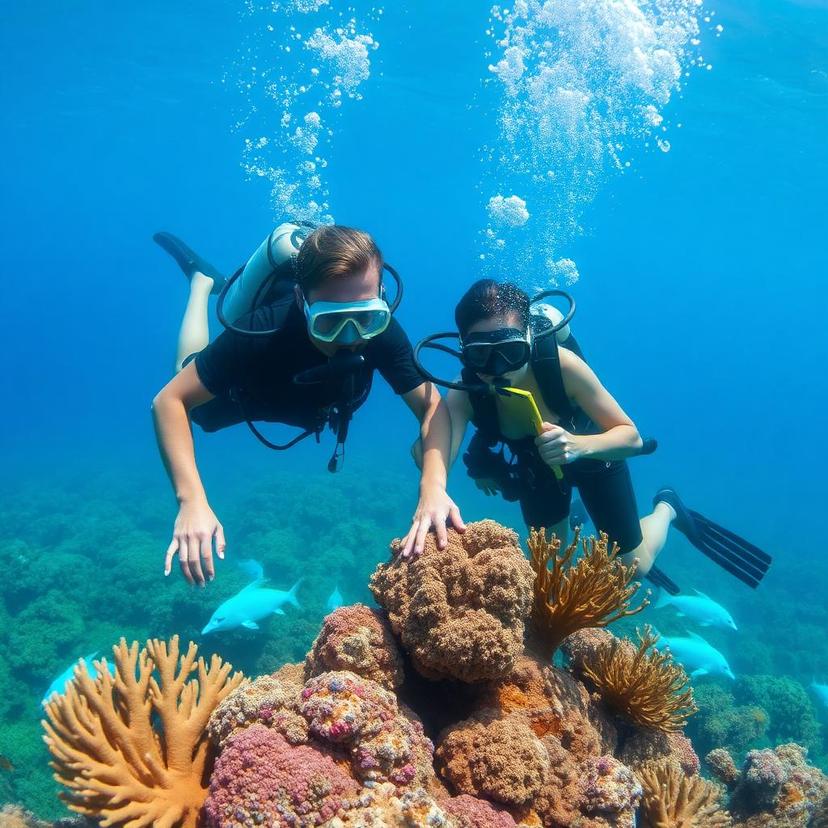
    Dive beneath the surface and protect our planet's most vital ecosystems. Marine conservation programs offer hands-on opportunities to safeguard coral reefs, sea turtles, and ocean wildlife in some of the world's most breathtaking destinations.

    Is Marine conservation volunteering right for you?

    Decision-support summary. Editorial guidance, not a recommendation — always verify with the specific program.

    Best suited for

    • Certified divers (PADI Open Water minimum, ideally Advanced)
    • Marine biology / ocean science students
    • Volunteers comfortable with daily-physical work in tropical climates
    • Anyone seriously interested in reef ecology or sea-turtle conservation

    Avoid if

    • You're not certified to dive and the program requires it
    • You're hoping for captive-dolphin or marine-mammal interaction
    • You can't swim confidently
    • You expect tropical-resort comforts

    Skills needed

    • Dive certification (or willingness to certify on arrival, which adds cost and weeks)
    • Swimming ability
    • Comfort with marine biology data-collection (identification, measurement)
    • Boat-handling basics (helpful)

    Minimum ethical duration

    2 weeks if already certified; 4+ weeks if certifying on arrival

    What volunteers do

    • Coral reef monitoring and Reef Check surveys
    • Sea-turtle nest monitoring, hatchling release
    • Beach restoration and marine debris cleanup
    • Invasive species (lionfish, crown-of-thorns) population control
    • Marine education programs in local schools and tourism operators
    • Citizen-science data contributing to academic research

    What volunteers should NOT do

    • Have direct contact with captive marine mammals (no dolphin swims)
    • Touch coral or reef structures
    • Feed or chase marine life for tourist photography
    • Substitute for qualified marine-veterinary staff

    Marine conservation-specific red flags

    • Captive-dolphin programs marketed as conservation
    • Sea-turtle programs that allow tourists to touch hatchlings or interact with adults
    • 'Swim with' programs targeting wild marine mammals at close range
    • No research methodology documented
    • Dive operators not following safe diving practice

    Ethical alternatives worth considering

    • Reef Check Foundation volunteer programs (established, transparent)
    • Sea Shepherd or specific NGO-aligned vessel programs
    • University-affiliated marine research field schools

    Questions to ask any Marine conservation provider in writing

    1. Is the dive operation PADI-certified, and what's the safety record?
    2. What's the research methodology, and what's it contributing to?
    3. Are any of the program's wildlife interactions tourism-driven rather than research-driven?
    4. Who reviews the data and where is it published?
    5. What's the program's coral / reef-handling policy?

    Plus the universal due-diligence list at /verify-volunteer-program.

    Why Volunteer in Marine Conservation?

    Our oceans cover more than 70% of the Earth's surface and are home to an estimated 80% of all life on the planet. Yet marine ecosystems face unprecedented threats from climate change, plastic pollution, overfishing, and coastal development. Coral reefs — often called the rainforests of the sea — have declined by over 50% in the last three decades alone.

    Marine conservation volunteers play a critical role in monitoring, protecting, and restoring these vital ecosystems. Whether you're conducting underwater reef surveys, patrolling beaches to protect nesting sea turtles, or helping communities transition to sustainable fishing practices, your contribution directly supports the health of our oceans.

    You don't need to be a marine biologist to make a difference. Most programs provide comprehensive training in diving, species identification, and scientific survey methods. What you do need is a love for the ocean, a willingness to learn, and the physical fitness to work in water-based environments. Many volunteers describe marine conservation placements as life-changing experiences that deepen their connection to the natural world.
    What You'll Do

    Marine conservation programs combine fieldwork, research, and community engagement to protect ocean ecosystems.

    Reef Monitoring

    Conduct underwater surveys to assess coral reef health, record species diversity, measure coral bleaching levels, and track changes over time using standardized scientific methods.

    Beach Cleanups

    Organize and lead coastal cleanup operations, document marine debris for research databases, and educate local communities about plastic pollution and waste management solutions.

    Turtle Nesting Patrols

    Walk beaches at night during nesting season to protect sea turtles from poachers, relocate vulnerable nests, record nesting data, and assist hatchlings in reaching the ocean safely.

    Coral Restoration

    Grow coral fragments in underwater nurseries, transplant healthy corals to degraded reef areas, and monitor transplant survival rates to improve restoration techniques over time.

    Marine Life Surveys

    Identify and catalogue marine species through photo-ID databases, conduct population counts of key indicator species, and contribute data to regional conservation research programs.

    Dive-Based Research

    Participate in scientific diving expeditions collecting water quality samples, deploying monitoring equipment, mapping reef structures, and supporting ongoing marine biology research.

    Top Destinations for Marine Conservation

    Explore our most popular marine conservation placements around the world.

    South Pacific
    From $1,200/month

    Fiji

    Dive into pristine coral reef ecosystems and support marine biodiversity monitoring across the Fijian archipelago. Programs combine hands-on reef restoration with community-based conservation education.

    2-12 weeks
    World-class coral reef systems with exceptional biodiversity
    Learn More
    Southeast Asia
    From $900/month

    Thailand

    Join marine conservation efforts in the Gulf of Thailand and Andaman Sea. Programs focus on coral reef monitoring, whale shark research, and combating illegal fishing in marine protected areas.

    2-12 weeks
    Affordable programs with outstanding dive sites
    Learn More
    Southeast Asia
    From $800/month

    Philippines

    Work within the Coral Triangle, the global epicenter of marine biodiversity. Projects include reef surveys, mangrove restoration, and supporting local fishing communities with sustainable practices.

    2-12 weeks
    Heart of the Coral Triangle with unmatched marine diversity
    Learn More
    East Africa
    From $1,500/month

    Mozambique

    Contribute to whale shark and manta ray research along Mozambique's coastline. Programs include ocean megafauna monitoring, reef health assessments, and coastal community engagement.

    2-12 weeks
    Whale shark and manta ray encounters in pristine waters
    Learn More
    Central America
    From $1,000/month

    Costa Rica

    Protect sea turtle nesting beaches along both Pacific and Caribbean coasts. Programs combine turtle conservation with mangrove reforestation and marine wildlife monitoring.

    2-12 weeks
    Sea turtle nesting season offers unforgettable experiences
    Learn More
    Southeast Asia
    From $1,100/month

    Indonesia

    Explore the world's largest archipelago while supporting coral reef restoration in Raja Ampat and Komodo. Programs include dive-based surveys, reef clean-ups, and environmental education.

    2-12 weeks
    Raja Ampat offers the highest marine biodiversity on Earth
    Learn More

    Requirements & Skills

    What you need to get started as a marine conservation volunteer.

    Essential

    • Strong swimming proficiency and comfort in open water
    • Basic physical fitness for daily water-based activities
    • Minimum age of 18 (some programs accept 16+ with guardian consent)
    • Passion for marine conservation and ocean ecosystems
    • Willingness to work outdoors in tropical conditions

    Preferred but Not Required

    • PADI Open Water certification or equivalent (many programs offer training on-site)
    • Previous snorkeling or diving experience
    • Background in marine biology, ecology, or environmental science
    • Scientific data collection or research experience
    • Photography or videography skills for documentation

    Personal Qualities

    • Environmental awareness — understanding of marine conservation challenges
    • Teamwork — most marine projects require coordinated group efforts
    • Attention to detail — accurate data recording is essential for research
    • Physical resilience — you'll spend long hours in sun, salt, and surf
    • Adaptability — weather and sea conditions dictate daily schedules

    Typical Duration & Cost

    Marine conservation programs range from short introductions to long-term research placements. Costs include accommodation, meals, dive training, and program support.

    2-4 Weeks

    $800 - $2,500

    An introductory experience in marine conservation. You'll learn survey techniques, complete dive training if needed, and contribute to ongoing monitoring projects.

    First-time volunteers, adventure seekers

    1-3 Months

    $2,000 - $6,000

    The ideal timeframe for meaningful marine conservation work. You'll become proficient in survey methods, lead beach patrols, and see tangible results from restoration projects.

    Marine biology students, gap year travelers

    3-6 Months

    $4,000 - $10,000

    Extended placements allow you to complete full research cycles, contribute to published studies, and take on leadership roles within conservation teams.

    Aspiring marine biologists, career changers

    6-12 Months

    $7,000 - $15,000

    Long-term placements offer the deepest professional development. You may co-author research papers, train new volunteers, and develop lasting relationships with local communities.

    Researchers, conservation professionals

    A Day in the Life of a Marine Conservation Volunteer

    6:00 AM

    Early wake-up and light breakfast before the morning dive

    7:00 AM

    Boat departure to the dive or snorkel survey site

    7:30 AM

    First dive — underwater reef survey, coral monitoring, or species count

    9:30 AM

    Return to base, rinse gear, and log dive data

    10:30 AM

    Data entry and analysis session with the research team

    12:00 PM

    Lunch break and rest during peak sun hours

    2:00 PM

    Afternoon activity — beach cleanup, coral nursery maintenance, or community workshop

    4:30 PM

    Equipment maintenance and preparation for the next day

    5:30 PM

    Free time — explore the coastline, snorkel, or relax

    7:00 PM

    Group dinner and evening presentation or documentary screening

    Ready to Protect Our Oceans?

    Browse verified marine conservation programs on Volunteer to the World and find your perfect placement. The ocean needs you.

    Stay in the Loop

    Get volunteer tips, destination guides, and opportunities delivered to your inbox.

    Weekly updates. No spam. Unsubscribe anytime.