Summer 2026 Programs Now Open! Limited spots — limited spaces available!Explore programs →

    Program Type

    Agriculture & Sustainable Farming Programs

    Get your hands in the soil and help communities grow. Agriculture volunteer programs connect you with sustainable farming projects that fight food insecurity, protect the environment, and empower rural communities worldwide.

    Is Agriculture / permaculture volunteering right for you?

    Decision-support summary. Editorial guidance, not a recommendation — always verify with the specific program.

    Best suited for

    • Volunteers with agricultural, permaculture, food-security, or land-management skills
    • Researchers and graduate students with relevant academic background
    • Volunteers willing to do physical outdoor work at local pace
    • Anyone willing to learn from rather than teach traditional farming practitioners

    Avoid if

    • You expect to 'modernise' subsistence farming
    • You can't commit to working at local pace, not tourist pace
    • You're not physically prepared for sustained outdoor labour in heat
    • You expect tourist-style accommodation

    Skills needed

    • (Specialist) Agronomy, permaculture, soil science, irrigation, livestock management
    • (General) Physical fitness, comfort with manual outdoor work
    • Humility — local farmers usually know more about their environment than visiting volunteers
    • Willingness to learn local practices before suggesting changes

    Minimum ethical duration

    4+ weeks for any meaningful crop-cycle contribution; 12+ weeks for permaculture design

    What volunteers do

    • Permaculture design and implementation alongside local farmers
    • Food-security project support
    • Sustainable agriculture training programs
    • Land restoration and reforestation
    • Livestock care under qualified local guidance
    • Citizen-science agricultural monitoring

    What volunteers should NOT do

    • Direct local farming practices without engagement
    • Use chemicals, equipment, or methods without proper training
    • Substitute for paid local farm labour where it's available
    • Make decisions about crop selection or land use
    • Photograph farmers and their land without consent

    Agriculture / permaculture-specific red flags

    • Programs that frame foreign volunteers as bringing 'expertise' to traditional farmers
    • Projects where volunteers replace paid local labour
    • Programs without genuine long-term continuity (project ends when volunteers leave)
    • No partnership with established local agriculture/food-security organisations

    Ethical alternatives worth considering

    • WWOOF (World Wide Opportunities on Organic Farms) — work-exchange basis, often more honest framing
    • Funding established local agricultural cooperatives
    • University-affiliated field-research programs
    • Specialist permaculture training programs before placement

    Questions to ask any Agriculture / permaculture provider in writing

    1. Who designed this project — the local farming community, the partner NGO, or your organisation?
    2. What's the local-staff-to-volunteer ratio in field work?
    3. What happens to the work when no volunteer is present?
    4. Could a paid local worker do this role? If yes, why am I doing it?
    5. What training do I get before doing any specialist work (chemical handling, machinery, etc.)?

    Plus the universal due-diligence list at /verify-volunteer-program.

    Why Volunteer in Agriculture & Sustainable Farming?

    Nearly 800 million people worldwide don't have enough food to eat, and climate change is making the problem worse. Droughts, floods, and unpredictable weather patterns are devastating smallholder farmers who produce nearly 80% of the world's food supply. Sustainable agriculture isn't just about growing crops — it's about building resilient food systems that can withstand these challenges.

    As an agriculture volunteer, you'll work directly with farming communities to implement practices that improve food security while protecting the environment. From permaculture gardens in the Andes to agroforestry projects in West Africa, these programs combine ancient farming wisdom with modern sustainable techniques to create lasting change.

    No formal agricultural training is needed — just physical fitness, a willingness to learn, and enthusiasm for working outdoors. You'll gain practical skills in organic farming, composting, water management, and food preservation that are increasingly valuable in a world grappling with food system sustainability. Many volunteers describe these programs as deeply grounding experiences that reconnect them with the earth and the fundamentals of where food comes from.
    What You'll Do

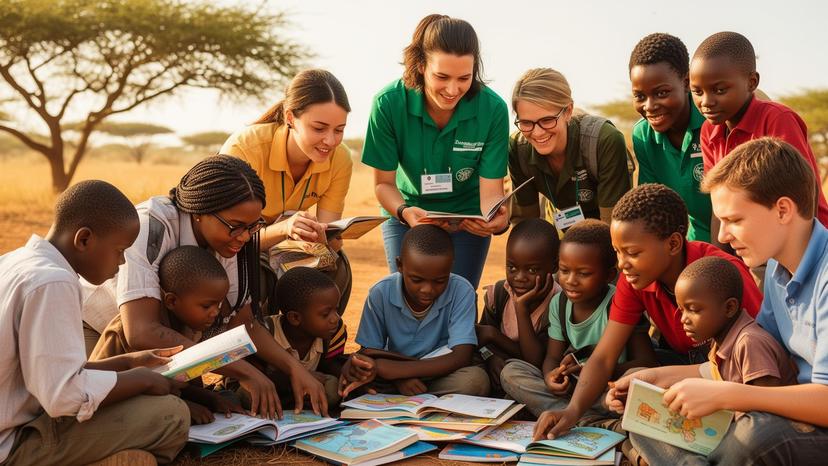
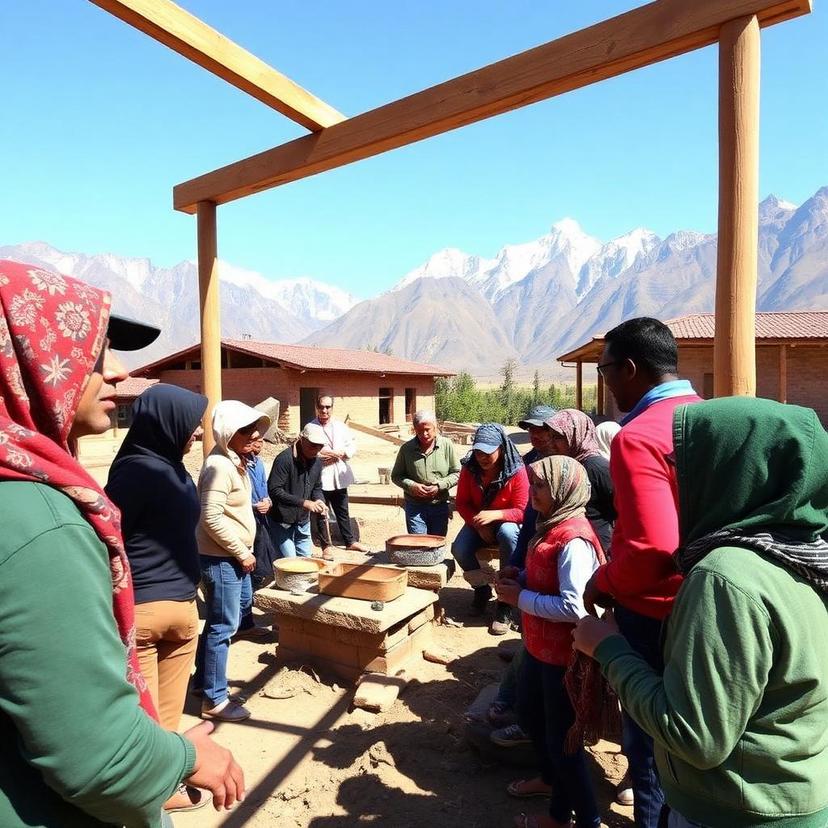
    Agriculture programs offer diverse hands-on roles, from planting and harvesting to designing sustainable food systems.

    Permaculture Design

    Learn and implement permaculture principles to create self-sustaining food systems. Design food forests, companion planting layouts, and water harvesting systems tailored to local climates and conditions.

    Crop Cultivation

    Get hands-on experience planting, tending, and harvesting a wide range of crops. Learn organic pest management, soil amendment techniques, and season-appropriate planting strategies for tropical and temperate climates.

    Irrigation Systems

    Help design and build water-efficient irrigation systems including drip irrigation, rainwater harvesting, and gravity-fed distribution networks that help communities grow food with limited water resources.

    Seed Banking

    Assist with preserving local crop diversity through seed collection, drying, storage, and cataloguing. Help communities maintain heritage varieties and reduce dependence on commercial seed suppliers.

    Agroforestry

    Combine tree planting with agricultural production to create sustainable land use systems. Plant fruit and timber trees alongside crops to improve soil health, provide shade, and diversify income sources.

    Community Garden Setup

    Help establish school and community gardens from the ground up. Prepare soil, build raised beds, install composting systems, and train local residents in garden maintenance and nutrition.

    Top Destinations for Agriculture Programs

    Explore our most popular sustainable farming placements around the world.

    South America
    From $700/month

    Ecuador

    Learn permaculture techniques in the Andes and Amazon regions. Programs focus on organic cacao and coffee farming, food forests, and sustainable agriculture education for indigenous communities.

    2-12 weeks
    Diverse ecosystems from Andean highlands to Amazon lowlands
    Learn More
    South America
    From $800/month

    Peru

    Work with traditional Quechua farming communities in the Sacred Valley. Programs combine ancient Incan agricultural techniques with modern permaculture and support local food sovereignty.

    2-12 weeks
    Ancient Incan agricultural terraces and heritage crop varieties
    Learn More
    South America
    From $600/month

    Bolivia

    Support smallholder farmers in the altiplano and Yungas regions with sustainable farming practices, crop diversification, and water-efficient irrigation systems.

    2-12 weeks
    Most affordable South American destination for farm volunteering
    Learn More
    South Asia
    From $700/month

    Nepal

    Help mountain communities develop climate-resilient farming practices. Programs include terrace gardening, organic vegetable production, and training in seed saving and composting.

    2-12 weeks
    Himalayan terrace farming with breathtaking mountain views
    Learn More
    West Africa
    From $800/month

    Ghana

    Work on community farm projects in both savannah and forest regions. Programs focus on agroforestry, cassava processing, moringa cultivation, and training women's farming cooperatives.

    2-12 weeks
    Warm hospitality and English-speaking farming communities
    Learn More
    East Africa
    From $900/month

    Madagascar

    Combat deforestation through agroforestry and sustainable farming alternatives. Programs combine reforestation with teaching slash-and-burn alternatives and supporting vanilla and rice farming communities.

    2-12 weeks
    Unique biodiversity conservation through sustainable agriculture
    Learn More

    Requirements & Skills

    What you need to get started as an agriculture volunteer abroad.

    Essential

    • Good physical fitness for daily outdoor manual labor
    • Willingness to work in hot, humid, or high-altitude conditions
    • Minimum age of 18 (some programs accept 16+ with guardian consent)
    • Interest in sustainability, food systems, or environmental issues
    • Openness to living in rural communities with basic amenities

    Preferred but Not Required

    • Previous gardening, farming, or landscaping experience
    • Background in agriculture, environmental science, or botany
    • Permaculture Design Certificate (PDC) or related training
    • Experience with organic or biodynamic farming methods
    • Basic construction skills for building garden infrastructure

    Personal Qualities

    • Patience — crops grow on nature's schedule, not yours
    • Physical endurance — farming is demanding, rewarding work under the sun
    • Curiosity — every region has unique agricultural traditions to learn from
    • Humility — local farmers often have generations of accumulated wisdom
    • Enthusiasm — your energy will inspire community members to try new techniques

    Typical Duration & Cost

    Agriculture programs range from short farm stays to extended placements. Costs include accommodation, meals, and program support.

    2-4 Weeks

    $600 - $1,500

    A hands-on introduction to sustainable farming abroad. You'll participate in daily farm work, learn basic permaculture concepts, and contribute to ongoing garden projects.

    Curious beginners, gap year travelers

    1-3 Months

    $1,200 - $3,500

    The ideal length for meaningful agricultural work. You'll see crops through planting to harvest, complete construction projects, and develop real farming competence.

    Agriculture students, sustainability enthusiasts

    3-6 Months

    $2,500 - $6,000

    Extended placements let you experience multiple growing seasons, lead community training workshops, and implement larger projects like irrigation systems or food forests.

    Aspiring farmers, development workers

    6-12 Months

    $4,000 - $10,000

    Full-year placements provide comprehensive experience across all seasons. You'll manage projects independently, train local leaders, and create lasting agricultural infrastructure.

    Career farmers, permaculture designers, NGO professionals

    A Day in the Life of an Agriculture Volunteer

    5:30 AM

    Early rise to beat the midday heat — light breakfast and coffee

    6:30 AM

    Morning farm work — watering, weeding, planting, or harvesting

    9:00 AM

    Break for a hearty second breakfast with the farm team

    9:30 AM

    Construction or infrastructure work — building raised beds, compost bays, or irrigation lines

    12:00 PM

    Lunch break and rest during the hottest part of the day

    2:00 PM

    Afternoon workshop — seed saving, composting, or permaculture design session

    3:30 PM

    Community garden visit or farmers' cooperative training

    5:00 PM

    Evening harvest and preparation of fresh produce for dinner

    6:00 PM

    Free time — explore local markets, journal, or relax

    7:30 PM

    Group dinner featuring farm-to-table food you helped grow

    Ready to Grow Something Meaningful?

    Browse verified agriculture programs on Volunteer to the World and find your perfect placement. Help communities build food security from the ground up.

    Stay in the Loop

    Get volunteer tips, destination guides, and opportunities delivered to your inbox.

    Weekly updates. No spam. Unsubscribe anytime.