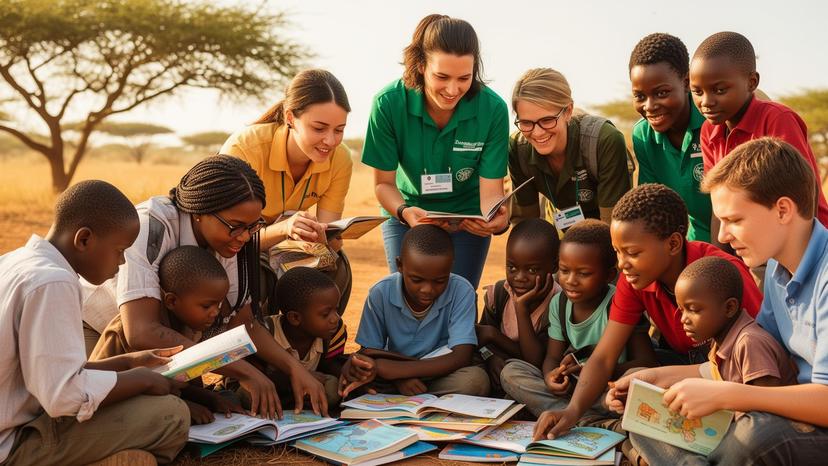
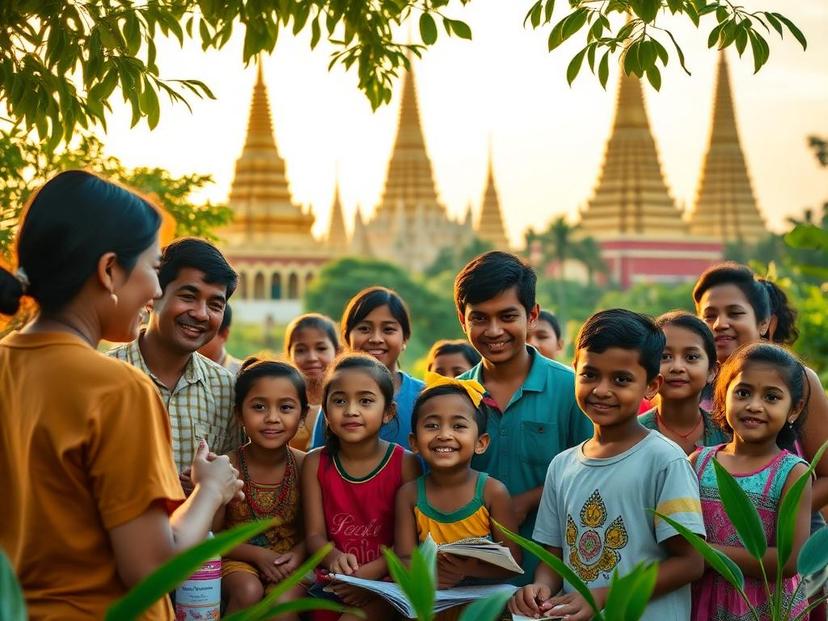
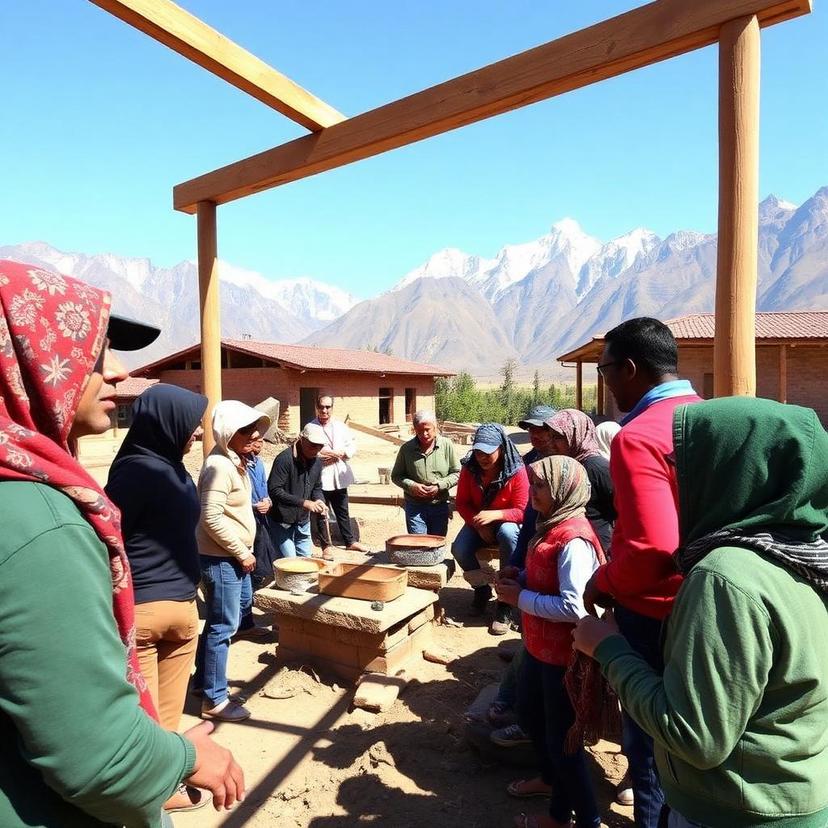
Access to healthcare remains one of the world's most pressing challenges. The World Health Organization estimates a global shortage of 18 million health workers, with the deficit most acute in sub-Saharan Africa and Southeast Asia. In many rural communities, the nearest doctor may be hours away, and basic health education — about hygiene, nutrition, and disease prevention — can literally save lives.
Healthcare volunteer programs address this gap in two ways. Clinical placements allow medical and nursing students and professionals to support overstretched health facilities, gaining invaluable experience in resource-limited settings while contributing to patient care. Non-clinical programs focus on community health education, public health campaigns, and wellness outreach — areas where any motivated volunteer can make a real difference, regardless of medical background.
For medical students, these programs provide exposure to conditions and healthcare systems rarely encountered in developed countries, building clinical confidence and cross-cultural communication skills that are increasingly valued by medical schools and employers. For non-medical volunteers, healthcare programs offer a chance to directly improve community wellbeing through education, advocacy, and hands-on support.