Summer 2026 Programs Now Open! Limited spots — limited spaces available!Explore programs →

    Program Type

    Veterinary & Animal Care Programs

    Heal, rehabilitate, and protect animals around the world. Veterinary volunteer programs give you hands-on experience caring for wildlife and domestic animals in communities that need it most.

    Is Veterinary volunteering right for you?

    Decision-support summary. Editorial guidance, not a recommendation — always verify with the specific program.

    Best suited for

    • Qualified veterinarians and vet techs working within home-country scope
    • Animal-welfare professionals doing education, advocacy, or sanctuary support
    • Vet students seeking observation alongside qualified local clinicians
    • Volunteers doing animal-care support (kennel work, feeding, cleaning, behavioural enrichment)

    Avoid if

    • You're an unqualified volunteer expecting to do surgical or sedation work
    • You're a pre-vet student told you can 'gain surgical experience'
    • The program involves tourist contact with captive wild animals
    • You can't verify the named veterinary supervisor's credentials

    Skills needed

    • (Clinical roles) Home-country veterinary licensure
    • (Support roles) Comfort handling distressed or unsocialised animals
    • (All) Physical fitness for kennel / sanctuary work
    • (Wildlife roles) Specific training for the species involved

    Minimum ethical duration

    Qualified vets: project-dependent. Pre-vet shadowing: 4 weeks minimum to learn anything

    What volunteers do

    • Animal-welfare clinic support — cleaning, feeding, recovery monitoring
    • Spay-neuter clinic support roles under qualified vet supervision
    • Community animal-welfare education programs
    • Translated welfare-education materials development
    • Wildlife sanctuary husbandry under qualified staff
    • Research support (data recording, behavioural monitoring)

    What volunteers should NOT do

    • Perform surgery, sedation, or anaesthesia without home-country licensure
    • Diagnose animal conditions independently
    • Have tourist-style contact with captive wild animals
    • Make euthanasia decisions
    • Operate as the primary clinician in any procedure

    Veterinary-specific red flags

    • 'Hands-on surgical experience' advertised to unqualified volunteers
    • Programs that combine veterinary work with tourist-contact wildlife encounters
    • No named veterinary supervisor with verifiable credentials
    • Programs that breed animals to keep volunteer demand high
    • Wildlife handling without appropriate species-specific training

    Ethical alternatives worth considering

    • Domestic animal-shelter volunteering (often free, similar skill development)
    • Funding a local vet directly (highest-leverage for spay-neuter work)
    • Specialist wildlife-care training programs before in-field placement
    • Citizen-science wildlife monitoring (Zooniverse and similar)

    Questions to ask any Veterinary provider in writing

    1. What's the written scope-of-practice limit for unlicensed volunteers?
    2. Who is the named veterinary supervisor, and what are their credentials?
    3. Does the program involve any tourist contact with captive wild animals?
    4. What's the protocol if I'm asked on-site to do something out of scope?
    5. How are euthanasia decisions made, and are volunteers ever present?

    Plus the universal due-diligence list at /verify-volunteer-program.

    Why Volunteer in Veterinary & Animal Care?

    Millions of animals around the world suffer from inadequate veterinary care, habitat loss, and human-wildlife conflict. In many developing countries, there are simply not enough trained veterinarians to care for both domestic animals and wildlife. Volunteer veterinary programs bridge this gap, providing critical care while building local capacity for long-term animal welfare.

    Whether you dream of treating injured elephants in Africa, caring for rescued sloths in Central America, or running spay/neuter clinics for stray animals in Southeast Asia, veterinary volunteer programs offer an extraordinary range of experiences. These placements are invaluable for veterinary students seeking clinical hours, but they're equally meaningful for anyone with a deep love for animals and a willingness to get their hands dirty.

    Beyond the direct impact on animal welfare, these programs contribute to broader conservation goals. Healthy wildlife populations are essential for balanced ecosystems, and community veterinary outreach reduces the spread of zoonotic diseases that threaten both animal and human health. Your work as a veterinary volunteer creates ripple effects that extend far beyond the individual animals you treat.

    What You'll Do

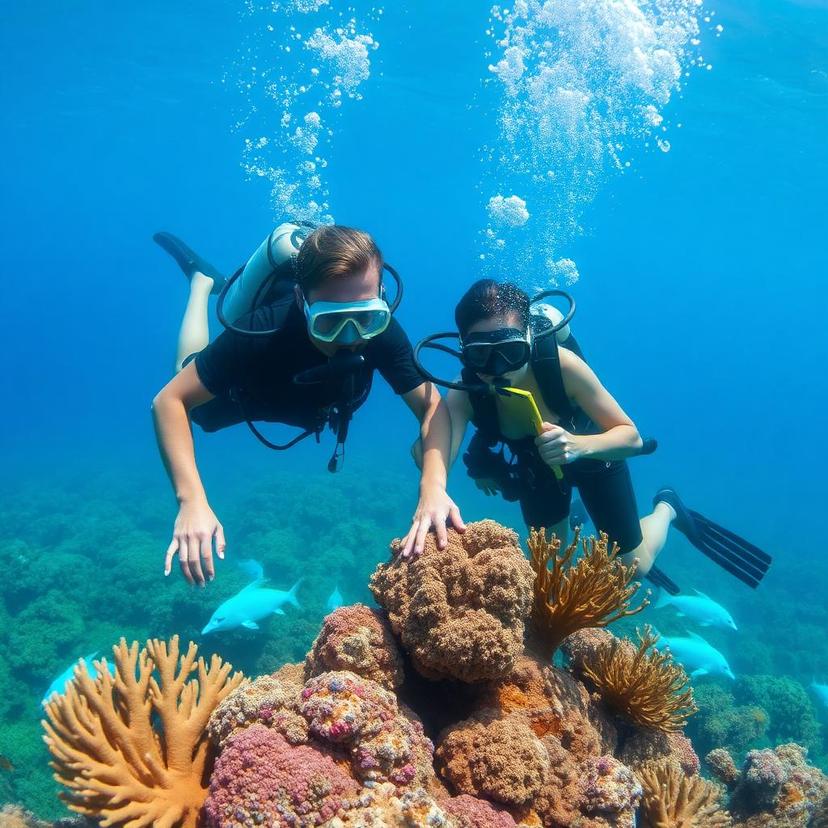
    Veterinary programs offer diverse hands-on roles, from surgical assistance to wildlife rehabilitation and community outreach.

    Wildlife Veterinary Care

    Assist veterinarians with health assessments, treatments, surgeries, and emergency care for injured or sick wildlife. You'll learn field immobilization techniques, wound management, and wildlife pharmacology.

    Animal Rehabilitation

    Help rehabilitate orphaned, injured, or confiscated animals with the goal of returning them to the wild. Tasks include feeding, physical therapy, behavioral enrichment, and monitoring recovery progress.

    Spay & Neuter Clinics

    Support community veterinary outreach through spay/neuter campaigns for stray and owned animals. Assist with surgical preparation, anesthesia monitoring, post-operative care, and client education.

    Sanctuary Maintenance

    Help maintain ethical animal sanctuaries by cleaning enclosures, preparing specialized diets, monitoring animal behavior, and ensuring optimal living conditions for permanent residents.

    Wildlife Monitoring

    Participate in field-based wildlife monitoring including camera trapping, GPS tracking, population surveys, and health screenings to support long-term conservation research.

    Community Education

    Teach local communities about responsible pet ownership, livestock health management, zoonotic disease prevention, and the importance of wildlife conservation in their ecosystems.

    Top Destinations for Veterinary Programs

    Explore our most popular veterinary and animal care placements around the world.

    Southern Africa
    From $1,500/month

    South Africa

    Work alongside wildlife veterinarians in game reserves and rehabilitation centers. Programs include big five veterinary care, anti-poaching support, and wildlife darting operations.

    2-12 weeks
    Big five wildlife veterinary experience in game reserves
    Learn More
    East Africa
    From $1,400/month

    Kenya

    Support elephant and rhino conservation through veterinary monitoring programs. Assist with livestock health in Maasai communities and wildlife-human conflict mitigation.

    2-12 weeks
    Elephant and rhino veterinary monitoring programs
    Learn More
    East Africa
    From $1,600/month

    Tanzania

    Contribute to wildlife veterinary care near the Serengeti and Ngorongoro ecosystems. Programs focus on anti-rabies campaigns, livestock health, and injured wildlife rehabilitation.

    2-12 weeks
    Serengeti ecosystem wildlife health programs
    Learn More
    Southeast Asia
    From $900/month

    Thailand

    Care for rescued elephants at ethical sanctuaries and support community dog and cat sterilization clinics. Programs emphasize humane treatment and long-term animal welfare.

    2-12 weeks
    Elephant sanctuary and community veterinary outreach
    Learn More
    Central America
    From $1,100/month

    Costa Rica

    Assist with wildlife rehabilitation for sloths, monkeys, and tropical birds. Programs combine veterinary care with habitat restoration and environmental education in biodiverse rainforests.

    2-12 weeks
    Sloth and primate rehabilitation in tropical rainforest
    Learn More
    Eastern Europe
    From $900/month

    Romania

    Support bear sanctuaries caring for rescued captive bears and work with stray dog sterilization programs. An affordable European destination with high-impact animal welfare projects.

    2-12 weeks
    Bear sanctuary and stray animal welfare programs
    Learn More

    Requirements & Skills

    What you need to get started as a veterinary volunteer abroad.

    Essential

    • Genuine passion for animal welfare and conservation
    • Comfortable working with animals in various conditions
    • Physical fitness for outdoor fieldwork and hands-on care
    • Minimum age of 18 (some programs accept 16+ with guardian consent)
    • Up-to-date tetanus vaccination and relevant immunizations

    Preferred but Not Required

    • Veterinary or veterinary technology students (clinical placements available)
    • Previous animal handling experience (domestic or wildlife)
    • Background in biology, zoology, or animal science
    • First aid certification
    • Experience with livestock or farm animals

    Personal Qualities

    • Compassion — working with injured or abused animals can be emotionally challenging
    • Resilience — not all animals can be saved, and you'll need emotional strength
    • Attention to detail — medication dosages and treatment protocols require precision
    • Adaptability — veterinary emergencies don't follow schedules
    • Physical stamina — expect early mornings, heavy lifting, and messy conditions

    Typical Duration & Cost

    Veterinary programs range from short introductions to extended clinical placements. Costs include accommodation, meals, and program support.

    2-4 Weeks

    $900 - $2,200

    An introduction to wildlife veterinary work. You'll assist with daily care routines, observe procedures, and gain foundational experience in animal welfare.

    Students exploring veterinary careers, animal lovers

    1-3 Months

    $2,200 - $5,500

    Enough time to develop real skills, participate in surgical procedures, and take on more responsibility in rehabilitation and monitoring programs.

    Vet students seeking clinical hours, career changers

    3-6 Months

    $4,500 - $9,000

    Extended placements provide deep veterinary experience. You'll manage cases from admission to release, contribute to research, and mentor newer volunteers.

    Pre-vet students, aspiring wildlife veterinarians

    6-12 Months

    $7,000 - $14,000

    Long-term placements offer comprehensive professional development. You may assist with complex surgeries, lead rehabilitation protocols, and contribute to published research.

    Veterinary professionals, dedicated conservationists

    A Day in the Life of a Veterinary Volunteer

    6:00 AM

    Early morning feeding rounds and health checks on rehabilitation animals

    7:30 AM

    Breakfast and morning briefing with the veterinary team

    8:00 AM

    Assist with morning surgeries or treatment procedures

    10:00 AM

    Prepare medications, clean enclosures, and update patient records

    11:30 AM

    Join a field visit for community spay/neuter outreach

    1:00 PM

    Lunch break and rest

    2:00 PM

    Afternoon rehabilitation sessions — physical therapy and behavioral enrichment

    4:00 PM

    Evening feeding rounds and medication administration

    5:30 PM

    Record observations, clean up, and debrief with the team

    7:00 PM

    Dinner with fellow volunteers and evening wildlife lecture

    Ready to Care for Animals Around the World?

    Browse verified veterinary programs on Volunteer to the World and find your perfect placement. Animals everywhere need your help.

    Stay in the Loop

    Get volunteer tips, destination guides, and opportunities delivered to your inbox.

    Weekly updates. No spam. Unsubscribe anytime.