Summer 2026 Programs Now Open! Limited spots — limited spaces available!Explore programs →

    Wildlife volunteering in Tanzania
    East AfricaFeatured Destination

    Volunteer in Tanzania

    From the plains of the Serengeti to the coral reefs of Zanzibar — volunteer in wildlife conservation, education and community health across one of Africa's most breathtaking nations.

    Contact Us to Start Volunteering

    Considerations for Tanzania

    Editorial summary, not legal or safety advice. Always verify current conditions with your home country's official travel advisory before booking.

    Destination editorial data last reviewed:

    Solo female travelers

    Workable for experienced travelers; less established expat infrastructure than Kenya. Dar es Salaam, Arusha and Stone Town are easier than smaller towns. Standard precautions for urban areas. Conservative-leaning, particularly in Zanzibar — modest dress (covered shoulders + knees) expected in public.

    LGBTQ+ context

    Same-sex activity is criminalised under Tanzanian law with significant penalties; the country has had high-profile anti-LGBTQ+ government rhetoric in recent years. Real legal risk. Verify with current FCDO / US State Department guidance.

    See our LGBTQ+ research framework →

    Tanzania-specific scam and provider red flags

    • 'Sanctuaries' and 'wildlife encounters' that include captive-contact tourism — refuse (Tanzania has both ethical safari conservation and exploitative 'sanctuary' tourism).
    • Childcare and orphanage programs — refuse globally.
    • 'Safari + volunteer' combo packages where the safari is the real product.
    • Tour-operator volunteer programs without a clearly identified local NGO partner.

    Questions to ask any Tanzania provider in writing

    1. Is the program registered with the Tanzania NGO Coordination Board?
    2. What's the relationship with TANAPA (national parks) or NCAA (Ngorongoro) for any wildlife project?
    3. What's the local-staff-to-volunteer ratio at the project site?
    4. Are placements at children's homes? (Refuse if yes.)

    Plus the universal questions in our voluntourism red flags guide.

    Next steps for Tanzania

    Higher-risk destinations need extra verification. Start with these before any provider conversation.

    Jun–Oct

    Best Time to Visit

    2 weeks

    Min Duration

    Why Volunteer in Tanzania?

    Tanzania is a land of superlatives — it is home to Africa's highest peak, the world's largest intact volcanic caldera, and one of the planet's most spectacular wildlife migrations. But beyond its natural wonders, Tanzania faces real challenges in education, healthcare and conservation that volunteers can help address.

    Working alongside Tanzanian communities, you will experience extraordinary biodiversity, Swahili culture and the warmth of "Karibu" hospitality, all while contributing to meaningful, sustainable projects. From teaching English in a Maasai village school to surveying coral reefs off Zanzibar, every placement is designed to create lasting impact.

    The listed programs work with local partners in Arusha, Moshi and Zanzibar, ensuring that every project is community-led, ethically managed and genuinely beneficial. Whether you are a gap-year traveller, career-break professional or retiree, Tanzania has a program that will challenge and inspire you.
    Ethical ProgramsSafety GuidanceCommunity-Led
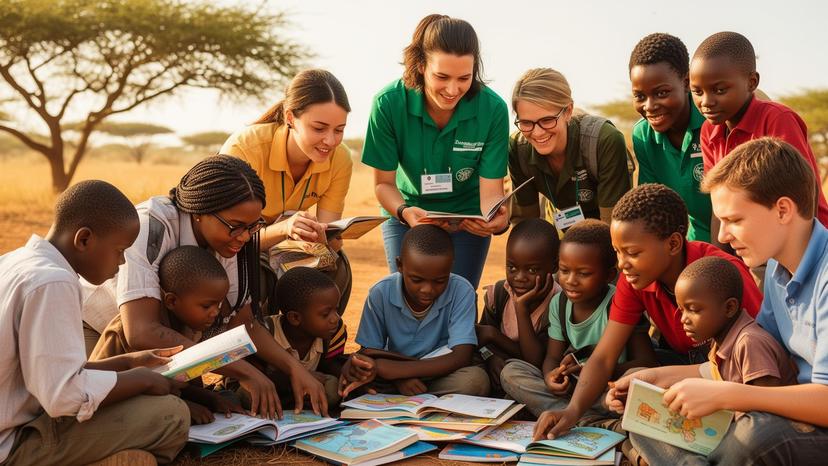
    Community development in Tanzania

    World-Class Wildlife

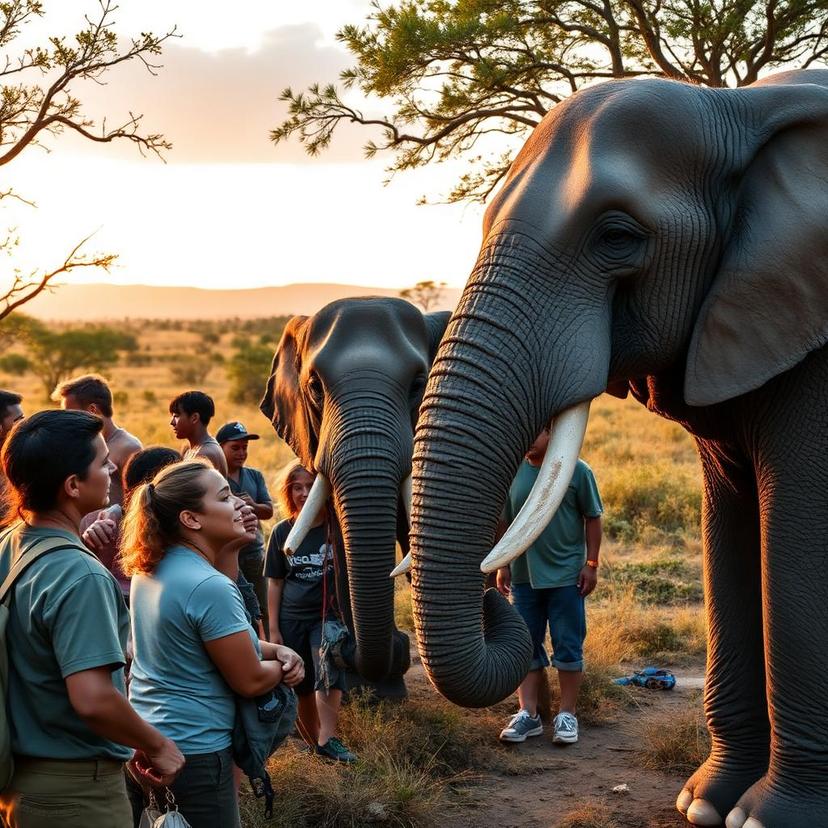
    Tanzania is home to the Serengeti, Ngorongoro Crater and Mount Kilimanjaro. Volunteers contribute to protecting the Great Migration, endangered black rhinos and marine habitats off Zanzibar.

    Education in Rural Communities

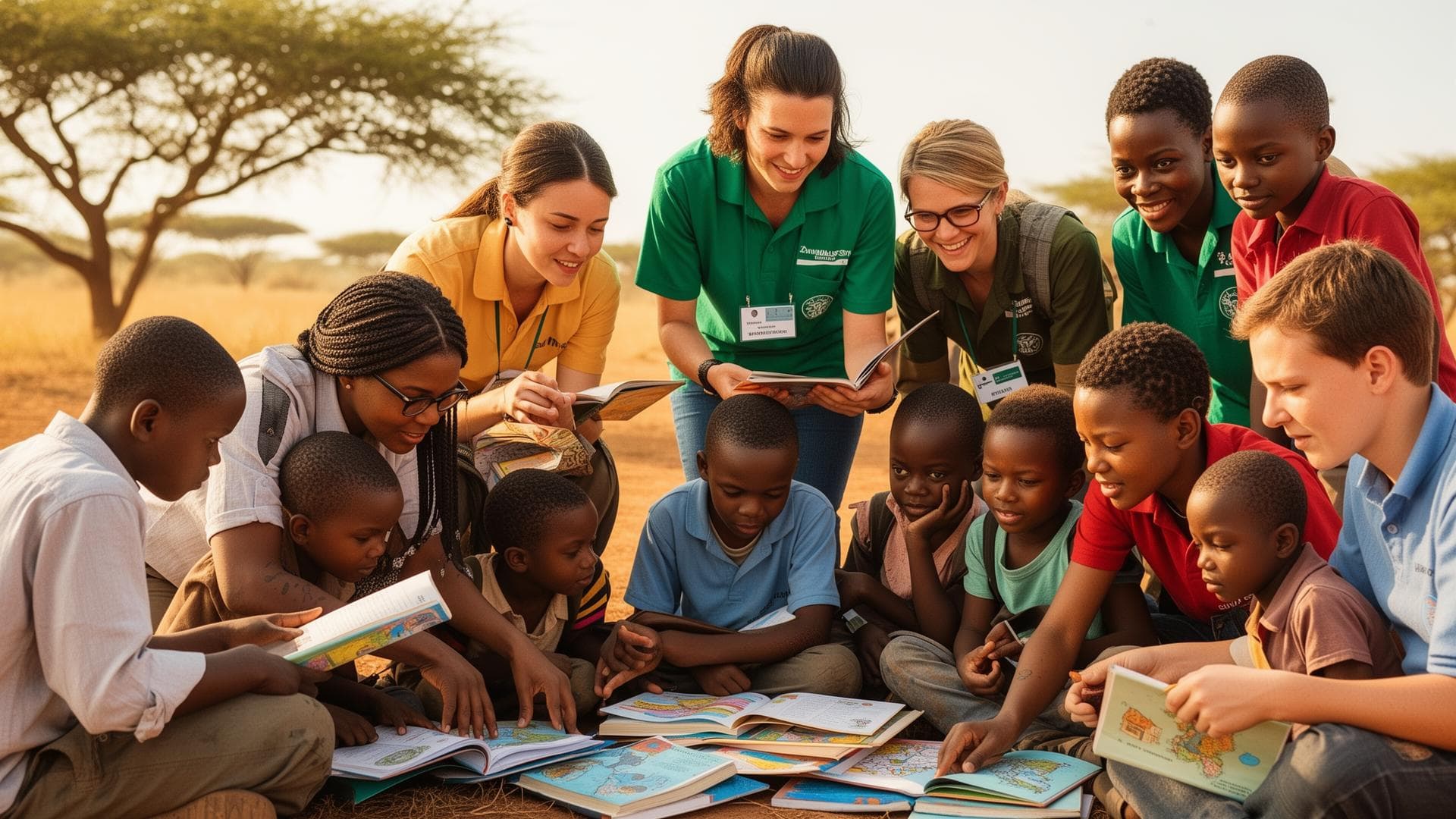
    Many schools in the Arusha and Moshi regions lack qualified teachers. Volunteer educators in English, science and IT transform educational outcomes for entire villages.

    Zanzibar Marine Conservation

    Coral reefs around Zanzibar face threats from overfishing and climate change. Volunteers join marine biologists on reef surveys, mangrove restoration and sea-turtle protection projects.

    Cultural Immersion with the Maasai

    Live alongside Maasai communities and learn traditional practices while contributing to healthcare, education and sustainable livelihoods initiatives.

    Types of Volunteering in Tanzania

    From the Serengeti to Zanzibar's coral reefs.

    These are the kinds of placements volunteers typically find in Tanzania. Our sister site, VolunteerToTheWorld, doesn't run programs in Tanzania yet, and fees set by other organisations vary widely, so we don't quote one here. Our cost guide has sourced figures for flights, visas, insurance and daily living.

    Wildlife Conservation

    Support anti-poaching efforts, wildlife monitoring and habitat restoration in national parks and conservation areas around Arusha and the Serengeti.

    Duration: 2–8 weeks

    Teaching & Education

    Teach English, maths and computer skills in primary and secondary schools in Moshi, Arusha and rural Maasai communities.

    Duration: 2–12 weeks

    Marine Conservation (Zanzibar)

    Conduct coral reef surveys, assist with sea-turtle nesting monitoring, and support mangrove replanting projects around Zanzibar's coastline.

    Duration: 2–8 weeks

    Community Healthcare

    Assist healthcare workers with community outreach, vaccination programmes, maternal health clinics and HIV/AIDS awareness campaigns.

    Duration: 4–12 weeks

    What to Expect in Tanzania

    Practical information to help you prepare for your East African volunteer adventure.

    Language

    Swahili (Kiswahili) and English are the two official languages. English is widely spoken in cities, tourist areas and schools, but Swahili dominates daily life. Learning basic Swahili phrases like "Jambo" (hello), "Asante" (thank you) and "Karibu" (welcome) will delight locals and deepen your cultural immersion. Most volunteer projects operate in English.

    Currency & Transport

    The Tanzanian shilling (TZS) is the local currency, though US dollars are widely accepted for safaris and tourism. Budget $15-25/day for food and local transport. Dalla-dallas (minibuses) and boda-bodas (motorcycle taxis) are common in towns. Domestic flights connect Arusha, Dar es Salaam and Zanzibar. ATMs are available in major towns.

    Health & Safety

    Yellow fever vaccination is mandatory if arriving from an endemic country. Malaria prophylaxis is strongly recommended across the country. Drink bottled or purified water only. Hepatitis A, Typhoid and routine immunisations are also advised. Safety conditions and official travel advisories for Tanzania change — check the current US State Department and UK FCDO advice on our Tanzania safety page before you make plans. Ask your program provider what in-country emergency support and arrival orientation they offer.

    Ready to Volunteer in Tanzania?

    Browse volunteer programs on our sister site, VolunteerToTheWorld.com, and check what each one includes before you book.

    Browse Programs

    Visa Requirements

    Visa Type

    e-Visa / Visa on Arrival

    Validity

    90 days

    Cost

    $50 USD

    Processing

    3–7 business days (e-Visa)

    Required Documents

    • Valid passport (6+ months validity)
    • Passport-sized photo
    • Yellow fever vaccination certificate
    • Return flight confirmation
    • Proof of accommodation
    Apply for Tanzania e-Visa

    Note: Most nationalities can obtain a visa on arrival at Kilimanjaro, Dar es Salaam and Zanzibar airports for $50 USD. However, applying for an e-Visa in advance is strongly recommended to avoid long queues and potential issues at immigration.

    Tip: Carry a printed copy of your e-Visa approval along with your yellow fever vaccination certificate. For volunteer placements longer than 90 days, you may need to apply for a special permit — ask your program provider to guide you through the process. If you book through our sister site, VolunteerToTheWorld.com, ask what visa guidance is included before you pay.

    Weather & Best Time to Visit

    Tanzania has a tropical climate with two rainy seasons. The long rains fall from March to May, while short rains occur October to December. The dry season (June-October) is ideal for safari, trekking and volunteering. Coastal areas and Zanzibar are hot and humid year-round, while highland regions around Arusha and Moshi enjoy cooler temperatures.

    Jan

    28°

    60mm

    Feb

    28°

    50mm

    Mar

    27°

    120mm

    Apr

    25°

    230mm

    May

    24°

    160mm

    Jun

    23°

    30mm

    Jul

    22°

    20mm

    Aug

    23°

    20mm

    Sep

    24°

    25mm

    Oct

    26°

    40mm

    Nov

    26°

    100mm

    Dec

    27°

    90mm
    Dry Season (Best for visiting)
    Rainy Seasons
    Hot & Humid

    Best for Wildlife Safari

    June-October (dry season) offers the best wildlife viewing. The Great Migration crosses the Serengeti July-September. Pack layers for cool highland mornings, light clothing for the coast, and waterproof gear if visiting during the rains.

    Cultural Tips for Tanzania

    Understanding Tanzanian customs will enrich your experience and show respect for the communities you serve.

    Greetings Matter

    Greetings in Tanzania are essential and never rushed. "Habari?" (How are you?) followed by "Nzuri" (Good) is the standard exchange. Greet elders first and always use your right hand for handshakes. When greeting someone older, it is respectful to bow slightly or touch your left hand to your right elbow during a handshake.

    Dress Code

    Dress modestly, particularly in rural areas and on Zanzibar, which is predominantly Muslim. Women should cover shoulders and knees; men should avoid very short shorts. On Zanzibar, swimwear is only appropriate at the beach or pool. Wearing smart, clean clothing demonstrates respect — Tanzanians appreciate neat appearance.

    Food & Dining

    Tanzanian staples include ugali (maize porridge), nyama choma (grilled meat), pilau rice and chapati. When eating in a local home, wash your hands before the meal and eat with your right hand. Accept food when offered — declining is considered impolite. "Chakula kitamu!" (The food is delicious!) is a wonderful compliment for your host.

    Tipping Customs

    Tipping is common in the tourism sector. Safari guides typically receive $10-20 per person per day, cooks $5-10 per day. In restaurants, 10% is generous. For other services, small tips of 1,000-2,000 TZS are appreciated. At local eateries (mama lishe stalls), tipping is not expected but always welcome.

    Maasai Etiquette

    If your placement involves Maasai communities, be aware that they have distinct cultural protocols. Always ask before photographing — some Maasai expect a small fee. Remove shoes before entering a Maasai boma (homestead). Respect their cattle, which hold deep cultural and economic significance. Listen and learn before offering suggestions.

    Religion & Respect

    Mainland Tanzania is roughly split between Christianity and Islam, while Zanzibar is predominantly Muslim. During Ramadan on Zanzibar, avoid eating, drinking or smoking in public during daylight hours as a sign of respect. Remove shoes before entering mosques and cover up appropriately. Religious tolerance is a point of national pride.

    Want to Volunteer in Tanzania?

    Whether it's the Serengeti or Zanzibar, we'll help you find the perfect program. Fill in the form and hear back within 24–48 hours.

    No commitment required

    Personalised program match

    Visa & travel support

    Have Questions?

    Not ready to apply yet? Ask us anything about volunteering abroad. No account required.

    0/2000

    No account required. We typically respond within 24-48 hours.

    Considering Other East African Destinations?

    Compare Tanzania with Kenya and Uganda to find the perfect fit for your volunteer adventure.

    Stay in the Loop

    Get volunteer tips, destination guides, and opportunities delivered to your inbox.

    Weekly updates. No spam. Unsubscribe anytime.

    Related Programs on VolunteerToTheWorld.com

    Ready to take the next step? Explore programs related to this article on our sister site.