Volunteer destinations by region
Explore volunteer programs across the world, grouped by region. Every destination links to a full program guide with cost estimates, ethical considerations, and safety information.
Why region matters for volunteer planning
Language families and program types
Volunteer experiences cluster regionally in ways that go beyond geography. Language is one of the strongest forces: Latin American destinations share Spanish as a common thread, meaning a single language investment opens doors across Central and South America simultaneously. Southeast Asia spans several distinct language families — Khmer, Thai, Vietnamese, Bahasa Indonesia, Tagalog — but English functions as a working second language in NGO and education settings across the region, reflecting the prevalence of teaching-English programs in Cambodia, Thailand, Myanmar, and Vietnam. East and Southern Africa carry the legacy of English as an administrative language across former British colonies (Kenya, Uganda, Tanzania, Ghana, South Africa, Zambia, Zimbabwe), which makes program logistics and volunteer integration comparatively straightforward for English-speaking volunteers.
Program types also cluster by region. Conservation and wildlife programs dominate East and Southern Africa, tracking the presence of major national parks and the Great Migration corridor. Marine conservation is concentrated in Southeast Asia (Philippines, Indonesia, Thailand), the Pacific (Fiji), and coastal East Africa (Tanzania/Zanzibar, Mozambique). Teaching and community-development programs are distributed more evenly but reach their highest density in South Asia and West Africa.
Cost, distance, and the flight equation
A regional framing also clarifies the flight-cost trade-off. Southeast Asian destinations are relatively close to Australia and represent a short-haul route from East Asia; from North America or Europe, however, they require a transcontinental flight. Latin American destinations reverse the picture: Central America (Guatemala, Costa Rica) is a short, inexpensive flight from the US and Canada, but expensive from Europe. East and Southern Africa sit between these poles — competitive from Europe, longer from the Americas. This means a volunteer from London comparing East Africa with Southeast Asia faces a different flight-cost equation than one from Toronto or Sydney. Regional groupings make it easier to identify where geography and budget align for your specific origin.
Seasonal stacking and climate zones
Volunteers planning longer placements often benefit from thinking regionally because adjacent countries share climate patterns and, in some cases, visa frameworks. Within ASEAN, multi-country itineraries across Thailand, Cambodia, Vietnam, and Indonesia are well-trodden volunteer circuits. East African destinations similarly share a dry-season window (roughly May–October) that aligns Kenya, Tanzania, Uganda, and Rwanda, enabling volunteers to move between programs within a single trip. The monsoon zones of South and Southeast Asia (broadly May–September rainy season) contrast with the drier winter windows (November–February) that most destination guides recommend for field programs — a pattern visible across the data on this page. Southern and Eastern Africa share a dry-season cluster around the same calendar period that also coincides with the main wildlife-migration windows.
- Regions on this page: South Asia, Southeast Asia, East Africa, Southern Africa, West Africa, Central America, South America, Pacific, North Africa, Middle East, Europe.
- Language families cluster opportunities: Spanish in Latin America, English administration across former British-colony Africa.
- Flight costs favour Latin America for North American volunteers; East Africa for Europeans.
- Adjacent countries in East Africa and ASEAN share seasonal windows suited to multi-country placements.
Data last reviewed: 2026-05-29.
South Asia(3 destinations)
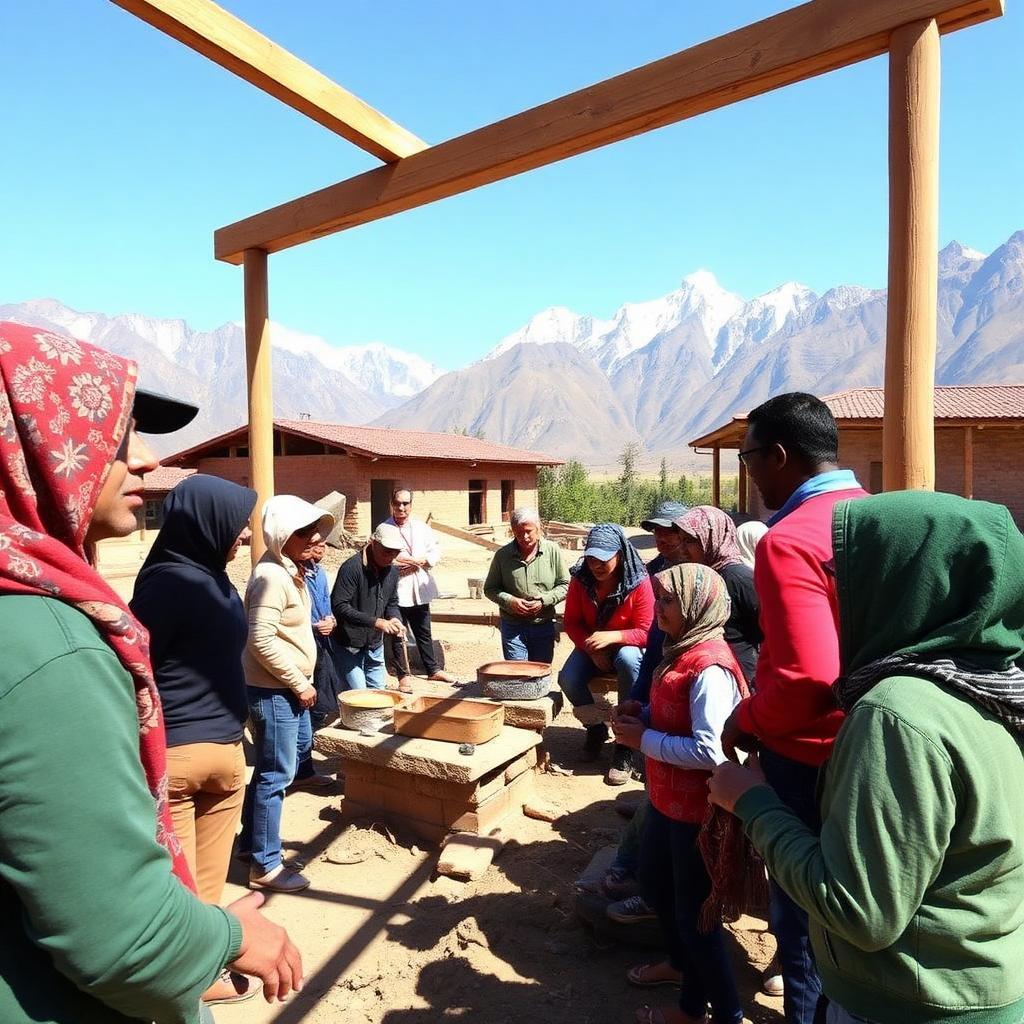
Nepal
Contribute to sustainable development in the shadows of the Himalayas through community-based education, women's empowerment and construction projects.

Sri Lanka
Support elephant care, marine conservation and teaching across this Indian Ocean island.
India
Vast and varied — teaching, women's empowerment and community development across many states.
Southeast Asia(7 destinations)
Thailand
Join elephant sanctuaries and marine conservation efforts in the Land of Smiles, working alongside dedicated local teams.
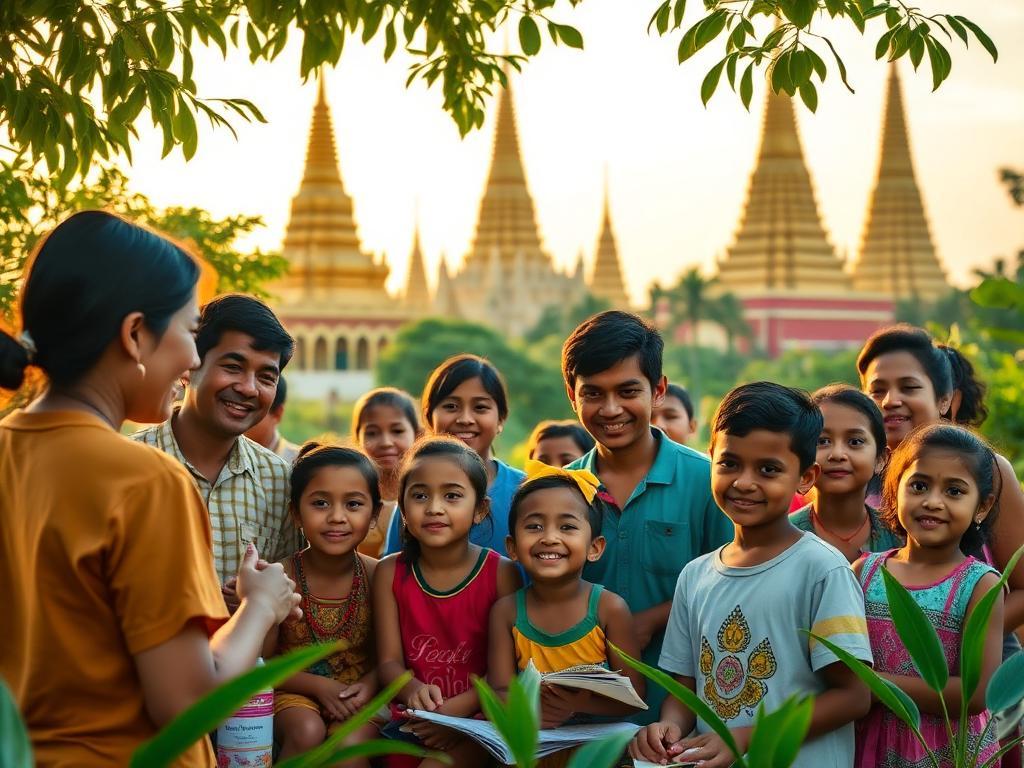
Myanmar
Community education and HIV/AIDS outreach in Yangon. Note: travel advisory in effect — check current safety guidance.
Cambodia
Community-based teaching and NGO support in Phnom Penh, Siem Reap and beyond. We do not promote orphanage volunteering.
Philippines
Marine conservation and community projects across the archipelago.
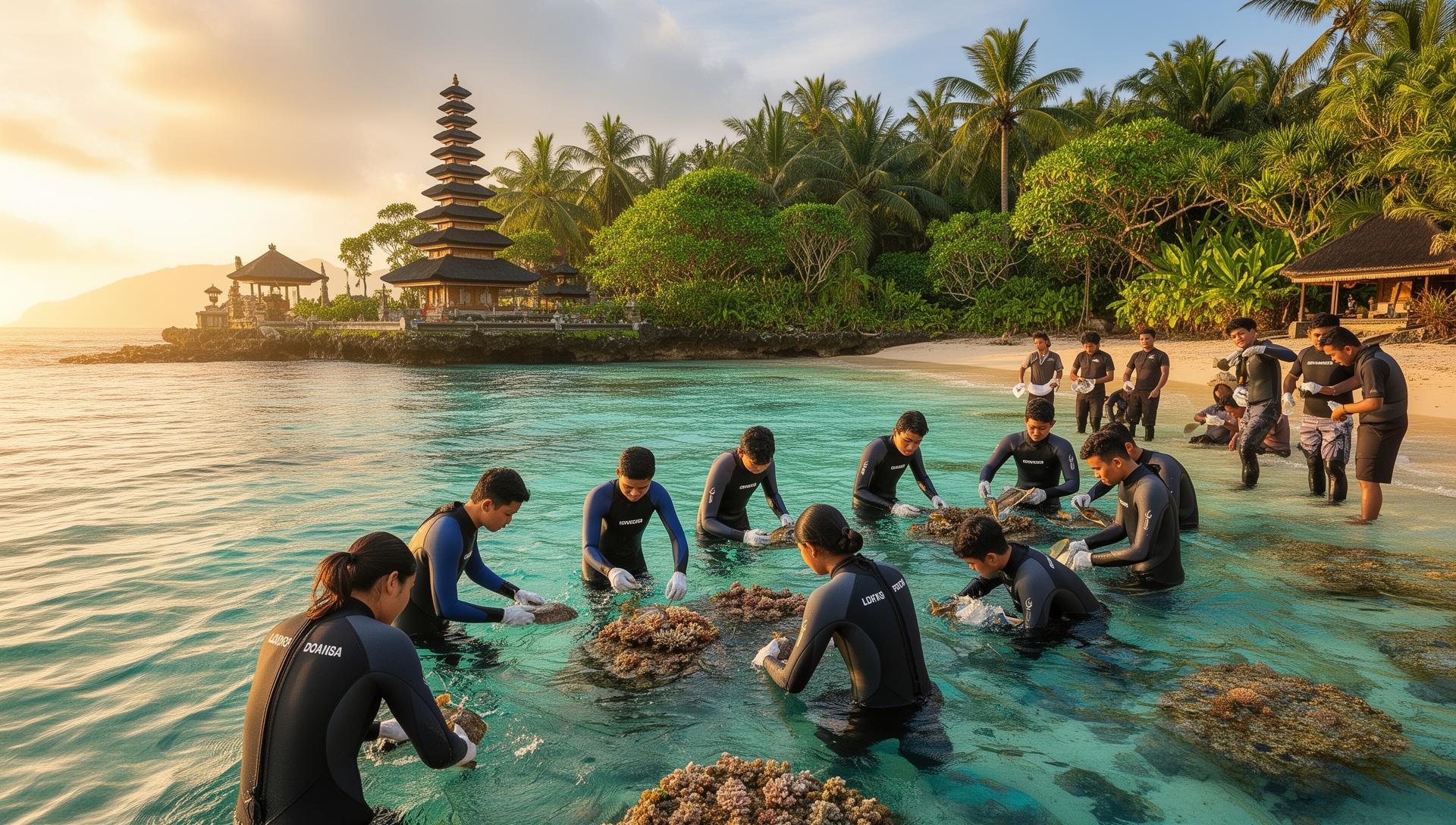
Indonesia
Marine conservation in Bali and Lombok plus community-based projects across the archipelago.
Vietnam
Community teaching, NGO support, and youth programs in Hanoi, Hue and Ho Chi Minh City.
Laos
Community-based teaching and rural development in Luang Prabang and Vientiane.
East Africa(4 destinations)
Kenya
Experience the heart of Africa through teaching, wildlife conservation, and community development programs.
Uganda
Contribute to healthcare and community development in the Pearl of Africa.
Tanzania
Conservation around Arusha and the Serengeti, plus marine work in Zanzibar.
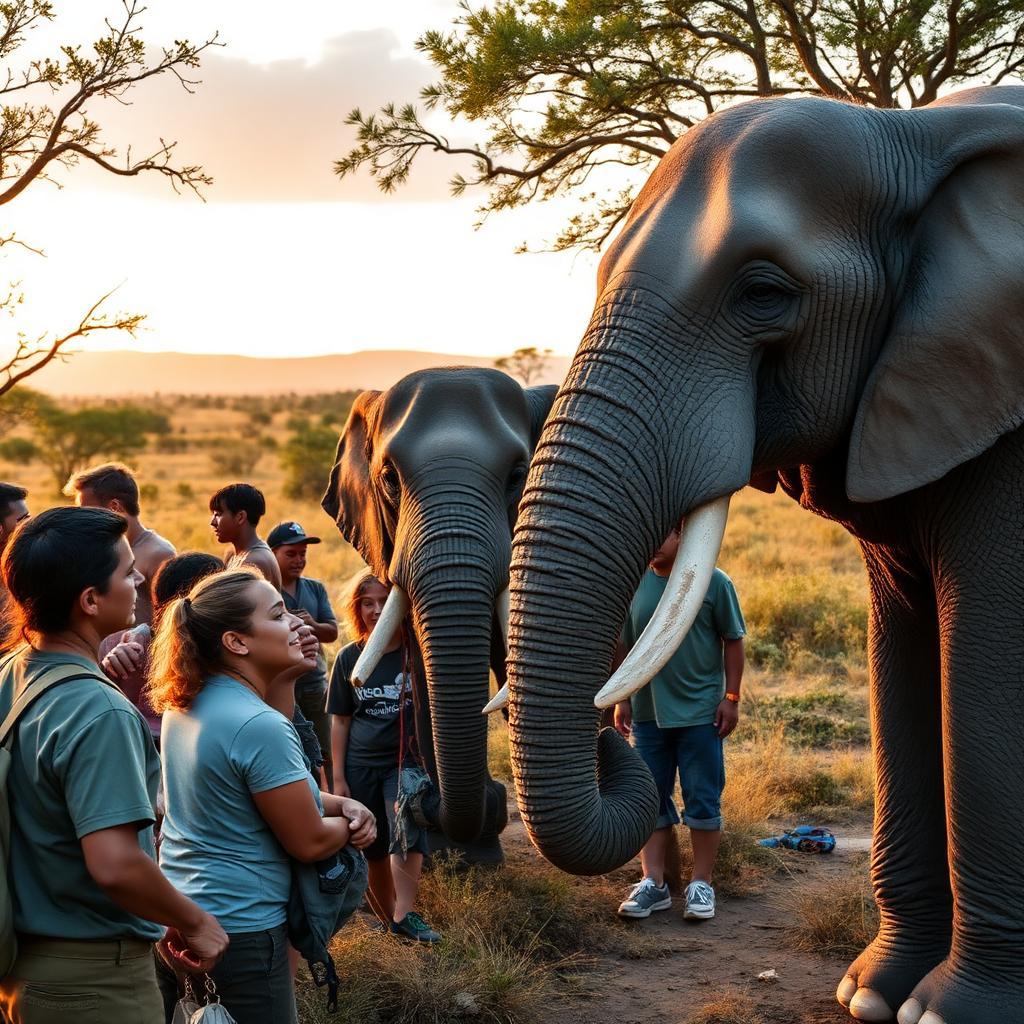
Madagascar
Lemur conservation and marine research on this biodiverse island.
Southern Africa(3 destinations)
West Africa(1 destination)
Central America(2 destinations)
South America(4 destinations)
Peru
Support Amazon conservation and Andean community projects in this culturally-rich destination.
Colombia
Teaching, community work and conservation across this culturally-vibrant country.
Ecuador
Amazon and Galapagos conservation, plus Andean community projects.
Bolivia
Wildlife sanctuaries and community development in one of South America's most authentic destinations.