Mental health is one of the most underfunded and understaffed sectors in global health. In low- and middle-income countries, there is often fewer than 1 mental health professional per 100,000 people, compared to 30+ per 100,000 in high-income nations. Psychology students and licensed counselors can help bridge this gap — but ethical boundaries are especially critical in this sensitive field.
Types of Psychology Volunteer Programs
Community mental health programs focus on bringing basic psychological support to populations that have little or no access to professional services. Volunteers contribute through:
Psychoeducation workshops — Teaching communities about depression, anxiety, grief, and stress management in culturally appropriate waysSupport group facilitation — Running peer support groups for specific populations (new mothers, caregivers, people with chronic illness)Mental health first aid training — Equipping community leaders, teachers, and health workers to recognize and respond to mental health crisesScreening and referral — Identifying individuals who need professional intervention and connecting them with available servicesAnti-stigma campaigns — Working to reduce the shame and secrecy surrounding mental illnessBest destinations: Kenya, Uganda, India, Nepal, Cambodia, Guatemala
Trauma Support and Crisis Intervention
In post-conflict zones, disaster-affected areas, and refugee communities, the prevalence of PTSD, depression, and anxiety is staggeringly high. Qualified volunteers support:
Psychological first aid — Immediate support following crises (distinct from therapy)Narrative exposure therapy — Evidence-based treatment for PTSD in conflict-affected populationsGroup processing — Facilitated sessions helping communities process collective traumaStaff support — Providing psychological support to aid workers and local health staff experiencing burnout and secondary traumaResilience-building programs — Strengthening coping skills in communities facing ongoing adversityBest destinations: Jordan (Syrian refugees), Uganda (South Sudanese refugees), Colombia, Nepal, Ukraine
School Counseling Programs
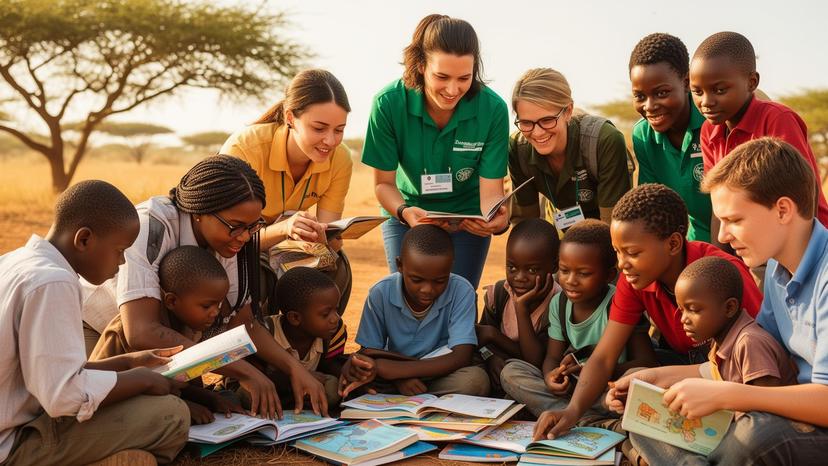
Many schools in developing countries have no counselor, psychologist, or social worker. Volunteers fill this gap by:
Individual counseling — Supporting students dealing with grief, family issues, bullying, or academic stressClassroom-based social-emotional learning — Teaching emotional regulation, conflict resolution, and self-awarenessTeacher training — Helping educators recognize and respond to students' mental health needsCareer counseling — Guiding students toward educational and vocational pathwaysParent workshops — Educating families about child development and positive parentingBest destinations: South Africa, Tanzania, Thailand, Peru, Philippines
Art and Expressive Therapy
Art therapy, music therapy, drama therapy, and play therapy transcend language barriers and are particularly effective with children and trauma survivors. Volunteers lead:
Art therapy workshops — Using drawing, painting, and sculpture for emotional expressionMusic and movement programs — Rhythm-based activities for stress relief and community bondingDrama and storytelling — Using role-play and narrative for processing difficult experiencesPlay therapy — Structured play activities for children who cannot verbalize their experiencesCreative writing — Journaling and poetry as tools for reflection and healingBest destinations: Any — expressive therapies are culturally adaptable and widely needed
Ethical Boundaries: The Most Critical Section
Psychology volunteering abroad carries unique ethical risks. Unlike building a house or teaching English, mental health interventions can cause psychological harm if delivered incorrectly. These boundaries are non-negotiable.
Do Not Practice Beyond Your Qualifications
Students should observe, assist, and facilitate psychoeducation — not conduct individual therapyLicensed counselors should practice within their scope and only use modalities they're trained inNo one should diagnose using Western diagnostic frameworks without cultural adaptationIf you wouldn't do it without supervision at home, don't do it abroadCultural Humility Over Clinical Confidence
Mental illness is understood differently across cultures. What you call "depression" may be understood as a spiritual issue, a social problem, or a physical ailment.Listen first. Understand how the community conceptualizes mental health before offering solutions.Work with traditional healers, not against them. In many cultures, traditional and faith-based healers are the primary mental health providers. Collaboration is more effective than competition.Language matters. Even with translation, psychological concepts often don't translate directly. Use simple, concrete language.Avoid Creating Dependency
Short-term counseling relationships can replicate attachment and abandonment patterns, especially with traumatized populationsNever start individual therapy you cannot complete — a 2-week volunteer stint is not enough time for therapeutic workFocus on training local staff who will remain in the communityBuild sustainable programs that function without foreign volunteersObtain informed consent in the client's language, ensuring they truly understand what counseling involvesMaintain confidentiality even in communal living situations where privacy is limitedBe especially cautious with children and vulnerable populations — ensure guardians understand and consent to any psychological supportDo not share client stories on social media, in blogs, or in reports without explicit consent and anonymizationPreparing for Your Placement
Before You Go
Complete a cultural competency training — many universities and organizations offer theseLearn basic phrases in the local language, especially emotional vocabularyResearch the mental health landscape of your destination — what services exist, what the cultural attitudes are, what the main challenges areArrange supervision — even experienced counselors benefit from supervision when working cross-culturally. Ask your organization if this is provided.Self-Care for Psychology Volunteers
You cannot pour from an empty cup. Working with trauma, poverty, and suffering takes a toll.
Maintain boundaries between work and personal timeDebrief regularly with colleagues or a supervisorContinue your own therapy remotely if possibleExercise, journal, and maintain routines that ground youRecognize when you need to step back — compassion fatigue is real and not a sign of weaknessThe Bottom Line
Psychology volunteering abroad addresses one of the world's most neglected health crises. But the potential for harm is real if boundaries aren't maintained. Focus on capacity building over direct service, respect cultural frameworks for understanding mental health, and always prioritize the community's long-term wellbeing over your short-term desire to help. Done ethically, your contribution to global mental health can ripple outward for generations.