    Early Bird 2026: Book before March 31 โ€” 15% off your placement fee!Explore programs โ†’

    Volunteering Abroad With a Disability: Inclusive Programs and Practical Advice
    Guides

    Volunteering Abroad With a Disability: Inclusive Programs and Practical Advice

    Disability doesn't disqualify you. Here's how to find accessible programs and plan a successful placement.

    Dr. Sarah MitchellDr. Sarah MitchellMarch 6, 202610 min read

    Introduction

    The volunteer abroad industry has an accessibility problem. Most program websites feature able-bodied young people hiking through jungles and building houses. The implicit message: "This isn't for you if you have a disability."

    That message is wrong.

    Volunteers with physical disabilities, chronic illnesses, sensory impairments, and neurodivergent conditions serve abroad successfully every year. The Peace Corps reports that approximately 10% of its volunteers disclose a disability. Many more serve through independent programs.

    This guide covers how to find inclusive programs, plan around accessibility needs, and advocate for yourself throughout the process.

    Types of Disabilities and Volunteer Considerations

    Mobility Disabilities

    Considerations:

  1. Wheelchair accessibility varies dramatically by country
  2. Urban placements are generally more accessible than rural ones
  3. Some programs involve walking, climbing, or manual labor
  4. Transportation can be challenging in developing countries
  5. Best program types: Teaching, mentoring, technology, office-based work, remote volunteering

    Best destinations: South Africa (relatively accessible infrastructure), Thailand (improving accessibility), Costa Rica

    Visual Impairments

    Considerations:

  6. Screen reader compatibility for program applications
  7. Orientation in unfamiliar environments
  8. Local signage and navigation aids
  9. Guide assistance availability
  10. Best program types: Teaching (especially music, language), counseling, telephone-based roles, translation

    Hearing Impairments

    Considerations:

  11. Communication in languages you don't know (fewer visual cues available)
  12. Group dynamics and meetings
  13. Emergency alert systems
  14. Sign language varies by country (ASL, BSL, local sign languages)
  15. Best program types: Physical work (construction, conservation), technology, design, data entry, animal care

    Chronic Illness

    Considerations:

  16. Access to medication and healthcare
  17. Climate impact on conditions
  18. Routine management in unfamiliar settings
  19. Insurance coverage for pre-existing conditions
  20. Best program types: Any โ€” with proper planning and medical support

    Best destinations: Countries with reliable healthcare โ€” South Africa, Thailand, Costa Rica

    Neurodivergent Conditions (ADHD, Autism, etc.)

    Considerations:

  21. Sensory overload in new environments
  22. Routine disruption
  23. Social expectations in different cultures
  24. Medication availability
  25. Best program types: Structured programs with clear expectations, skills-based work, animal-focused programs (often calming environments)

    Finding Accessible Programs

    Questions to Ask Program Providers

  26. Have you hosted volunteers with [specific disability] before? (Experience matters)
  27. What accessibility features does the accommodation have? (Ramps, ground floor, bathroom modifications)
  28. What is the terrain like at the project site? (Paved vs. dirt roads, stairs, distances)
  29. Is reliable healthcare accessible nearby? (Hospital distance, specialist availability)
  30. Can the program be modified to accommodate my needs? (Flexible task assignment)
  31. 6. What emergency support is available? (Medical evacuation, 24/7 contacts)

    7. Are there transportation options for people with mobility limitations? (Adapted vehicles, support staff)

    Programs Known for Inclusivity

  32. Peace Corps: Has a formal disability accommodation process; 10% of volunteers disclose disabilities
  33. VSO: Actively recruits disabled professionals; includes accessibility assessments
  34. Global Volunteers: Accommodates various disabilities; family-friendly
  35. Projects Abroad: Has hosted volunteers with mobility, visual, and hearing impairments
  36. IVHQ: Works with volunteers to adapt placements
  37. Remote Volunteering

    The most universally accessible option:

  38. No physical travel barriers
  39. Work from your adapted home environment
  40. Use your own assistive technology
  41. Full guide: Remote Volunteering From Home
  42. Destination Accessibility

    More Accessible Destinations

    | Destination | Accessibility Notes |

    |------------|-------------------|

    | South Africa | Best infrastructure in Africa; Cape Town relatively accessible |

    | Thailand | Major cities improving; Bangkok Skytrain has elevators |

    | Costa Rica | Ecotourism infrastructure includes some accessible facilities |

    | India (urban) | Major cities have improving accessibility; rural areas challenging |

    Challenging Destinations

    | Destination | Challenges |

    |------------|-----------|

    | Nepal | Mountainous terrain, limited infrastructure |

    | Uganda | Rural roads, limited wheelchair access |

    | Cambodia | Developing infrastructure, few accessible buildings |

    | Guatemala | Uneven terrain, limited accessible transport |

    Note: "Challenging" doesn't mean "impossible" โ€” it means more planning required.

    Planning Your Trip

    Medical Preparation

  43. Consult your doctor 3+ months before departure
  44. Medication supply: Bring enough for your entire trip plus 2 weeks extra
  45. Medical documentation: Carry prescriptions, medical summary in English and local language
  46. Travel insurance: Ensure coverage of pre-existing conditions and medical evacuation โ€” see our insurance guide
  47. Research local healthcare: Identify hospitals and specialists near your placement
  48. Equipment and Mobility Aids

  49. Bring your own: Replacement parts may not be available locally
  50. Backup equipment: Especially for glasses, hearing aids, or mobility devices
  51. Battery chargers: Confirm electrical outlets and voltage at your destination
  52. Airline policies: Contact airlines in advance about mobility aids, medical equipment, and medications
  53. Travel Insurance

    Standard travel insurance may exclude pre-existing conditions. Look for:

  54. World Nomads: Offers coverage for many pre-existing conditions
  55. Battleface: Specializes in adventure travel with medical needs
  56. Specialist providers: Some companies focus specifically on disabled travelers
  57. Airline Accessibility

  58. Book directly with the airline (not third-party) for best assistance
  59. Request wheelchair assistance, priority boarding, and seat assignment
  60. Inform them of all equipment and medical needs
  61. Arrive early for smooth processing
  62. Advocating for Yourself

    Before Applying

  63. Be upfront about your needs โ€” this isn't about disclosure for disclosure's sake, but about ensuring the program can support you
  64. Ask for specific, concrete information about accessibility (not vague assurances)
  65. Request references from previous disabled volunteers
  66. During Your Placement

  67. Speak up early if accommodations are inadequate
  68. Propose solutions rather than just identifying problems
  69. Connect with your program coordinator regularly
  70. Know your rights and the program's responsibilities
  71. Handling Attitudes

    Be prepared for:

  72. Overprotection: People assuming you can't do things you can
  73. Curiosity: Staring or questions in cultures less familiar with visible disabilities
  74. Patronizing attitudes: "You're so brave!" โ€” redirect to your work and skills
  75. Genuine accommodation: Many cultures have deep respect for disabled individuals
  76. Success Stories

    Thousands of disabled volunteers serve abroad successfully:

  77. Wheelchair-using teacher who taught computer skills in Ghana using an adapted desk
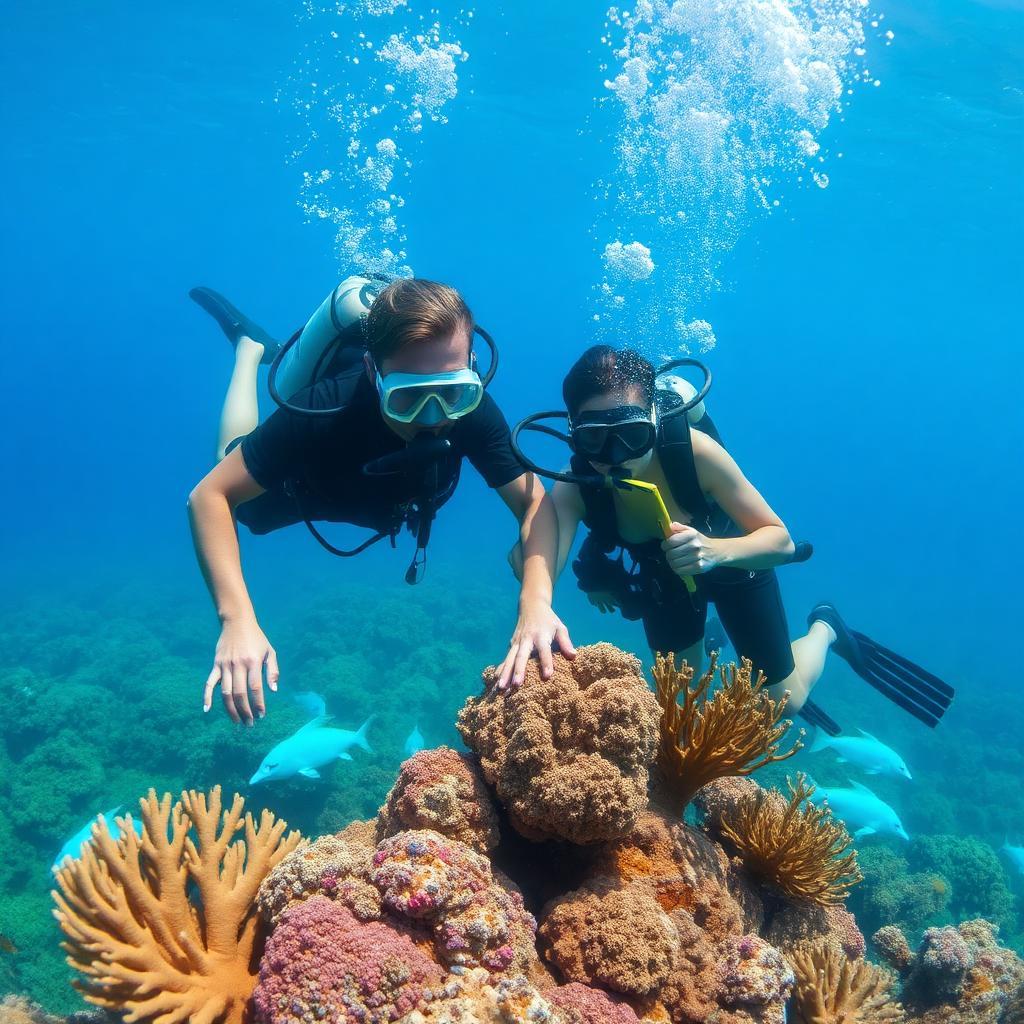
  78. Deaf marine biologist who contributed to reef surveys in Thailand using visual signals
  79. Volunteer with Type 1 diabetes who completed a 3-month conservation placement in Costa Rica with proper medical planning
  80. Autistic volunteer who excelled in data entry and wildlife monitoring in South Africa, thriving in the structured daily routine
  81. Resources

  82. Mobility International USA (MIUSA): Clearinghouse for international exchange and disability rights
  83. Disability Rights International: Advocacy and information
  84. Enable Travel: Accessible travel planning services
  85. Your country's embassy: Accessibility information for specific destinations
  86. Conclusion

    A disability doesn't disqualify you from volunteering abroad โ€” it qualifies you differently. You bring perspective, problem-solving skills, and resilience that able-bodied volunteers often lack. Your presence also helps normalize disability in communities that may have limited exposure.

    The key is planning, advocacy, and choosing the right program. Start with accessible destinations and inclusive organizations, communicate your needs clearly, and don't let anyone tell you it's not possible.

    Find your ideal program โ†’

    Prefer to volunteer from home? See our [Remote Volunteering Guide](/blog/remote-volunteering-from-home).

    Ready to Start Your Volunteer Journey?

    Explore ethical programs in Kenya, Nepal, Thailand, and more.

    View Programs on VolunteerToTheWorld.com
    Dr. Sarah Mitchell
    Dr. Sarah Mitchell

    Founder & Director

    Former UNICEF program coordinator with 15+ years in international development.

    Share this article:

    Related Programs on VolunteerToTheWorld.com

    Ready to take the next step? Explore verified programs related to this article.