    Early Bird 2026: Book before March 31 — 15% off your placement fee!Explore programs →

    Wildlife Conservation Volunteering in South Africa
    Destinations

    Wildlife Conservation Volunteering in South Africa

    Explore ethical wildlife conservation programs from big five reserves to marine sanctuaries.

    David ChenDavid ChenDecember 10, 20257 min read

    Introduction

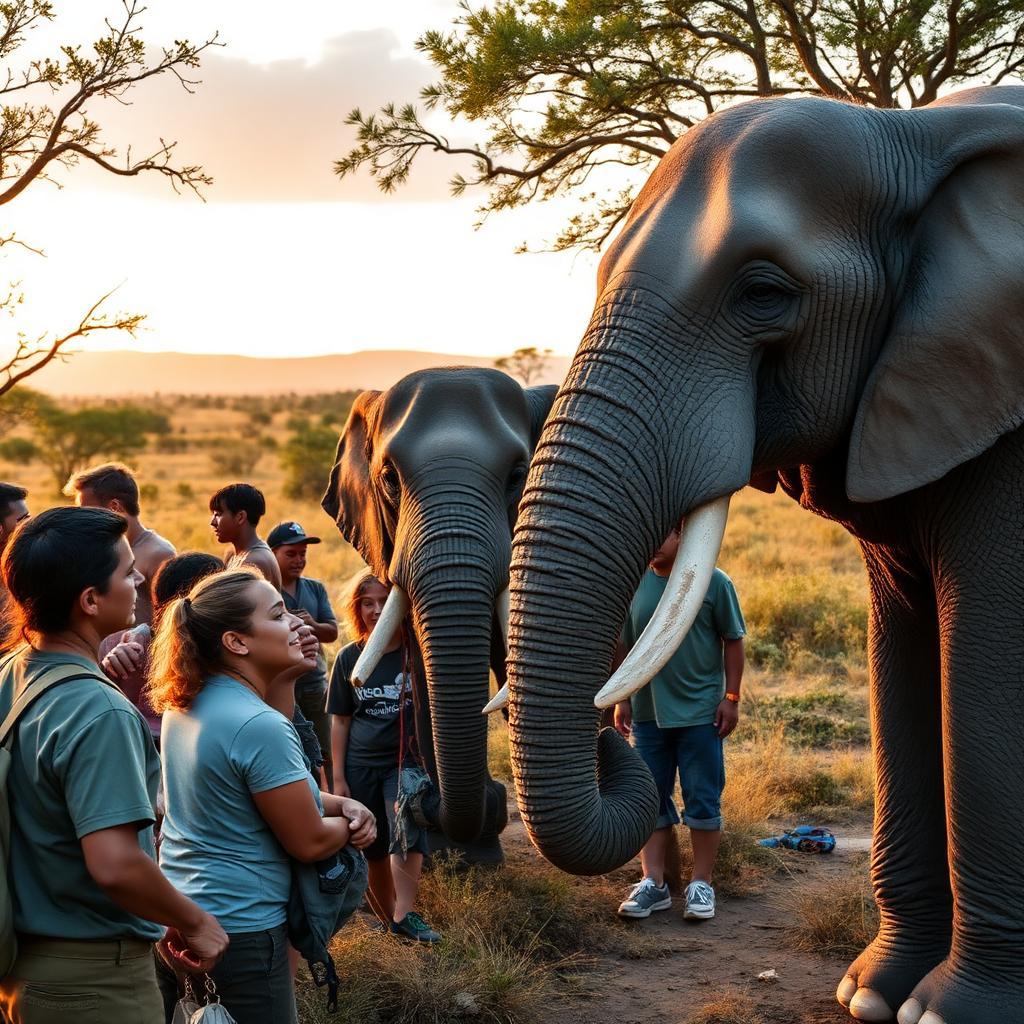
    South Africa is one of the world's premier destinations for wildlife conservation volunteering. From the iconic Big Five on safari reserves to penguin rehabilitation on the coast, the country offers diverse opportunities to contribute to meaningful conservation work.

    But not all wildlife programs are created equal. This guide will help you find ethical, impactful conservation experiences while avoiding tourist traps disguised as volunteer opportunities.

    Types of Conservation Programs

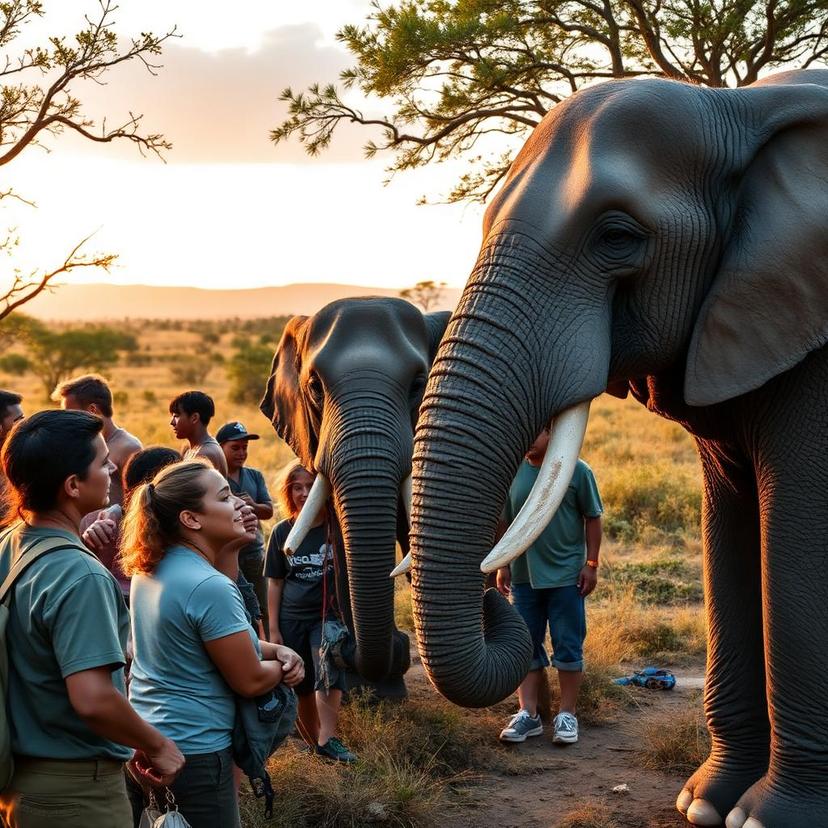
    Big Five and Safari Wildlife

    Work with Africa's most iconic animals:

  1. Anti-poaching support: Patrol assistance, data collection, camera trap monitoring
  2. Wildlife monitoring: Population surveys, behavioral observations, GPS tracking
  3. Reserve management: Bush clearing, waterhole maintenance, fence checks
  4. Research assistance: Data entry, animal identification, habitat mapping
  5. "True conservation work isn't glamorous—it's early mornings, data collection, and behind-the-scenes support that makes research possible." — David Chen, Conservation Specialist

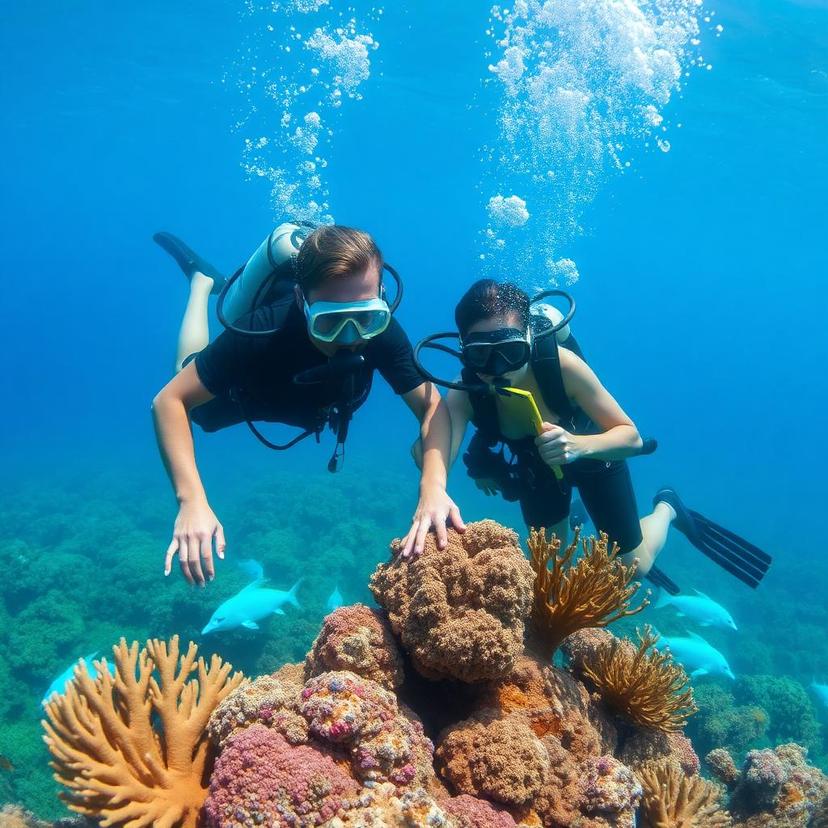
    Marine Conservation

    South Africa's coastline offers unique opportunities:

  6. Shark research: Cage diving data collection, population studies
  7. Penguin rehabilitation: Care for injured African penguins
  8. Whale monitoring: Seasonal whale watching and data collection
  9. Coastal cleanup: Beach and underwater debris removal
  10. Wildlife Rehabilitation

    Support animals recovering from injury or displacement:

  11. Release preparation for recovered animals
  12. Feeding and enclosure maintenance
  13. Veterinary assistance (with qualifications)
  14. Education program support
  15. Find ethical South Africa programs at volunteertotheworld.com →

    Seasonal Considerations

    Best Times to Visit

    May-September (Winter)

  16. Dry season means easier wildlife spotting
  17. Cooler temperatures for outdoor work
  18. Peak whale watching season
  19. Lower malaria risk in certain regions
  20. October-April (Summer)

  21. Bird nesting season for ornithology programs
  22. Lush landscapes but more challenging weather
  23. Marine turtle nesting in KwaZulu-Natal
  24. Higher rainfall may affect some activities
  25. Program Duration Recommendations

  26. Minimum: 2 weeks for meaningful contribution
  27. Optimal: 4-8 weeks for deeper involvement and skill development
  28. Extended: 3+ months for research projects and leadership roles
  29. Ethical Sanctuaries vs. Tourist Traps

    Green Flags (Signs of Ethical Programs)

  30. No hands-on interaction with wild animals (especially big cats)
  31. Animals are rehabilitated for release, not kept permanently for tourists
  32. Local community involvement in conservation efforts
  33. Transparent about funding and organizational goals
  34. Scientifically-backed conservation methods
  35. Minimal human-animal contact unless medically necessary
  36. Red Flags (Warning Signs)

  37. Cub petting or walking with lions: These facilities often breed animals for canned hunting
  38. Riding elephants: Usually involves harmful training practices
  39. Guaranteed sightings or interactions: Wildlife should be wild, not staged
  40. No release programs: Animals kept indefinitely for tourist entertainment
  41. Lack of research focus: Entertainment prioritized over conservation
  42. Questions to Ask

  43. What happens to animals after rehabilitation?
  44. What research is conducted and who leads it?
  45. How does the organization work with local communities?
  46. What training will I receive?
  47. Can I speak with past volunteers?
  48. What to Expect

    Daily Life on a Conservation Program

    A typical day might include:

  49. 5:00 AM: Wake for early morning game drive or patrol
  50. 6:00-10:00 AM: Field work—tracking, observations, data collection
  51. 10:00 AM-12:00 PM: Break during hottest hours
  52. 12:00-2:00 PM: Data entry, research analysis, education activities
  53. 3:00-6:00 PM: Afternoon field work or reserve maintenance
  54. Evening: Lectures, wildlife films, communal meals
  55. Physical Requirements

    Conservation work can be demanding:

  56. Ability to walk 10+ kilometers on uneven terrain
  57. Comfort with early mornings and variable schedules
  58. Heat tolerance during summer months
  59. Basic fitness for maintenance and construction tasks
  60. Living Conditions

    Expect rustic but comfortable accommodations:

  61. Shared dormitories or chalets on reserves
  62. Basic amenities (hot water, electricity may be limited)
  63. Communal meals with other volunteers
  64. Limited internet and cell service
  65. Skills and Qualifications

    Essential Skills

    No prior experience usually required for:

  66. General reserve maintenance
  67. Basic data collection
  68. Wildlife observation
  69. Community education assistance
  70. Valuable Background

    Programs especially value volunteers with:

  71. Biology, ecology, or environmental science education
  72. Photography and videography skills
  73. Medical or veterinary training
  74. Teaching experience
  75. Physical fitness for fieldwork
  76. Making the Most of Your Experience

    Before You Go

  77. Research the specific species and ecosystems you'll encounter
  78. Learn basic wildlife identification
  79. Prepare for limited connectivity
  80. Pack practical field clothing and sturdy boots
  81. During Your Placement

  82. Ask questions—staff appreciate engaged volunteers
  83. Take detailed notes for research contributions
  84. Respect animal welfare guidelines strictly
  85. Connect with local staff and learn from their expertise
  86. After Returning

  87. Share your experience responsibly (no location tagging for wildlife)
  88. Support the organization through donations or fundraising
  89. Advocate for conservation in your home community
  90. Consider returning for longer-term engagement
  91. Conclusion

    Wildlife conservation in South Africa offers the chance to contribute to protecting some of the world's most magnificent species. By choosing ethical programs, preparing thoroughly, and approaching the work with humility and dedication, you can make a genuine difference while experiencing Africa's incredible biodiversity.

    The future of these species depends on passionate individuals willing to do the unglamorous work of real conservation.

    Ready to protect South Africa's wildlife? Find ethical conservation programs at volunteertotheworld.com.

    Ready to Start Your Volunteer Journey?

    Explore ethical programs in Kenya, Nepal, Thailand, and more.

    View Programs on VolunteerToTheWorld.com
    David Chen
    David Chen

    Conservation Specialist

    Wildlife biologist with experience in African and Asian conservation projects.

    Share this article:

    Related Programs on VolunteerToTheWorld.com

    Ready to take the next step? Explore verified programs related to this article.