Summer 2026 Programs Now Open! Limited spots — limited spaces available!Explore programs →

    Program Type

    Legal & Human Rights Programs

    Stand up for justice and defend the rights of the most vulnerable. Legal and human rights volunteer programs place you at the frontline of advocacy, policy research, and community legal empowerment in countries where the need is greatest.

    Is Human rights volunteering right for you?

    Decision-support summary. Editorial guidance, not a recommendation — always verify with the specific program.

    Best suited for

    • Volunteers with legal, research, journalism, translation, or advocacy backgrounds
    • Specialists in specific human-rights areas (refugees, indigenous rights, LGBTQ+, etc.)
    • Volunteers committing 12+ weeks (trust-based work doesn't compress)
    • Volunteers comfortable with sensitive, often distressing subject matter

    Avoid if

    • You're looking for a short-term placement — short-term work in this space usually does more harm than good
    • You don't have specific skills the host organisation needs
    • You're not prepared for vicarious-trauma exposure
    • You can't accept that you may not see direct outcomes from your work

    Skills needed

    • Sector-specific expertise (legal research, journalism, translation, advocacy, communications)
    • Trauma-aware practice (mandatory for direct beneficiary engagement)
    • Strict privacy and data-handling discipline
    • Patience with slow-moving systemic work

    Minimum ethical duration

    12+ weeks for any direct-engagement role; 6+ months for research / case work

    What volunteers do

    • Legal research and case documentation
    • Translation for asylum and legal-aid clinics
    • Advocacy-campaign communications and content
    • Funded-research support for human-rights organisations
    • Capacity-building for local advocacy organisations

    What volunteers should NOT do

    • Engage directly with vulnerable beneficiaries without trauma-aware training
    • Photograph or publicly name beneficiaries without rigorous consent processes
    • Lead casework without sector qualifications
    • Make legal-status decisions
    • Share case details outside the partner organisation

    Human rights-specific red flags

    • Programs that allow short-term volunteers direct contact with vulnerable beneficiaries
    • Marketing materials featuring identifiable beneficiaries' faces or stories
    • No data-protection / privacy policy
    • No trauma-awareness or vicarious-trauma protocol for volunteers
    • Programs that present beneficiaries' stories without consent verification

    Ethical alternatives worth considering

    • Translators Without Borders or similar specialist remote translation programs
    • Fund a local lawyer / advocate doing the same work full-time
    • Long-term remote research support for established human-rights organisations
    • Specialised academic field projects with established ethics-review oversight

    Questions to ask any Human rights provider in writing

    1. What's the trauma-awareness training, and is it mandatory?
    2. What's your data-protection / privacy / informed-consent protocol?
    3. What direct contact, if any, do volunteers have with beneficiaries?
    4. What support is available to volunteers experiencing vicarious trauma?
    5. What's the supervision arrangement — by who, how often?

    Plus the universal due-diligence list at /verify-volunteer-program.

    Why Volunteer in Legal & Human Rights?

    Around the world, billions of people lack access to basic legal protections. Refugees flee persecution without legal representation. Indigenous communities lose ancestral lands without due process. Women face gender-based violence without recourse to justice. In many developing countries, the gap between rights enshrined in law and rights experienced in practice remains enormous.

    Human rights volunteer programs address this justice gap by supporting organizations that provide legal aid, document violations, advocate for policy change, and empower communities to understand and claim their rights. Whether you're a law student seeking practical experience, a qualified lawyer offering your expertise pro bono, or a passionate advocate with strong research skills, there's a role for you in this critical work.

    These programs are intellectually demanding and emotionally intense, but they are also among the most professionally rewarding volunteer experiences available. You'll gain firsthand understanding of how human rights operate on the ground, develop skills in legal research, advocacy, and cross-cultural communication, and build a professional network in the international human rights community. Most importantly, you'll contribute directly to improving the lives of people who need support the most.

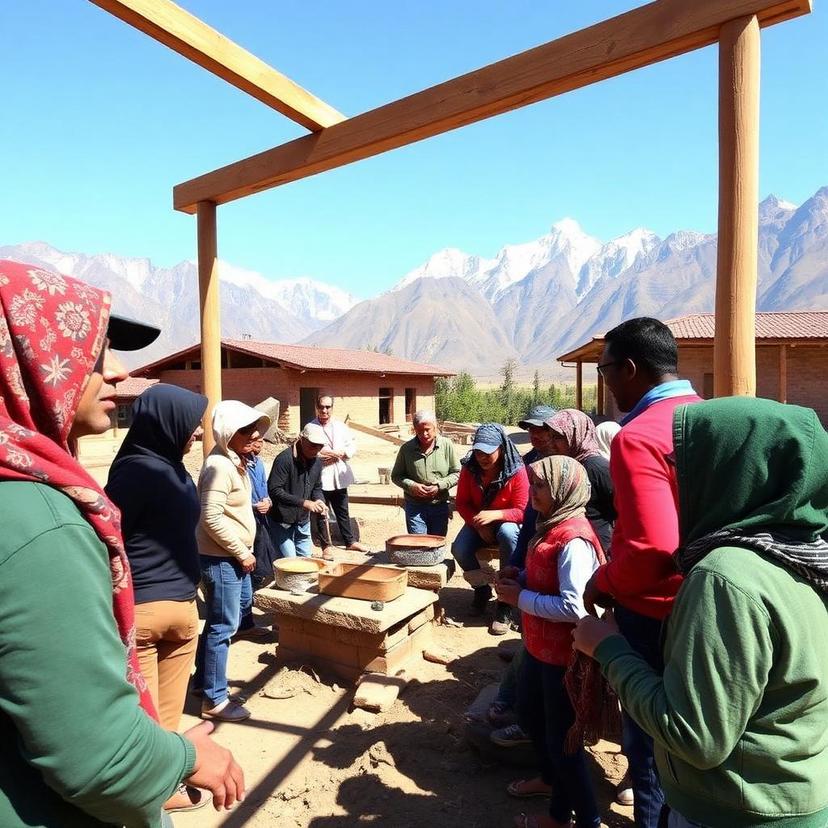
    What You'll Do

    Human rights programs combine legal work, research, advocacy, and community education to advance justice and equality.

    Legal Aid Clinics

    Assist lawyers in providing free legal advice to marginalized communities. Help with client intake, case research, document preparation, and connecting individuals with appropriate legal resources and representation.

    Refugee Support

    Support refugees and asylum seekers with legal documentation, asylum claim preparation, rights awareness, and navigating complex immigration processes. Provide emotional support and practical guidance during vulnerable moments.

    Policy Research

    Conduct research on human rights issues including land rights, gender equality, freedom of expression, and access to justice. Compile reports, analyze legislation, and support evidence-based advocacy campaigns.

    Advocacy Campaigns

    Help design and implement public awareness campaigns on human rights issues. Create educational materials, organize community forums, manage social media outreach, and engage with local media.

    Human Rights Documentation

    Interview witnesses, collect testimonies, and document human rights violations using established methodologies. Contribute to databases, reports, and submissions to national and international human rights bodies.

    Community Legal Education

    Lead workshops teaching communities about their legal rights, including property rights, labor protections, family law, and how to access the justice system. Empower people to advocate for themselves.

    Top Destinations for Human Rights Programs

    Explore our most popular legal and human rights placements around the world.

    Middle East
    From $1,200/month

    Jordan

    Support refugee legal assistance programs serving Syrian, Iraqi, and Palestinian communities. Programs include asylum case preparation, rights documentation, and access-to-justice initiatives.

    2-12 weeks
    Frontline refugee legal support in the Middle East
    Learn More
    South America
    From $900/month

    Colombia

    Work with organizations supporting internally displaced communities, peace-building initiatives, and transitional justice programs in the wake of decades of armed conflict.

    2-12 weeks
    Peace process and transitional justice at a historic moment
    Learn More
    Southern Africa
    From $1,000/month

    South Africa

    Contribute to constitutional law projects, legal aid clinics in townships, gender-based violence prevention, and advocacy for socioeconomic rights in post-apartheid communities.

    2-12 weeks
    Robust legal framework with progressive constitutional rights
    Learn More
    South Asia
    From $800/month

    India

    Support legal aid for marginalized communities including Dalit rights, women's legal empowerment, anti-trafficking initiatives, and right-to-education advocacy in Delhi, Mumbai, and rural areas.

    2-12 weeks
    Diverse human rights landscape with active civil society
    Learn More
    Central America
    From $900/month

    Guatemala

    Work with indigenous rights organizations, support land rights documentation, and contribute to accountability efforts related to historical human rights violations against Mayan communities.

    2-12 weeks
    Indigenous rights and historical justice advocacy
    Learn More
    Eastern Europe
    From $800/month

    Romania

    Support Roma community legal empowerment, anti-discrimination advocacy, and EU human rights compliance monitoring. An affordable European base for human rights work.

    2-12 weeks
    Roma rights and EU human rights framework engagement
    Learn More

    Requirements & Skills

    What you need to get started as a human rights volunteer abroad.

    Essential

    • Strong research and analytical skills
    • Excellent written and verbal communication abilities
    • Cultural sensitivity and non-judgmental approach
    • Commitment to confidentiality and ethical conduct
    • Minimum age of 18 (most programs require 21+)

    Preferred but Not Required

    • Law students or qualified legal professionals (paralegal, solicitor, barrister)
    • Background in political science, international relations, or human rights
    • Experience with research methodologies and report writing
    • Knowledge of international humanitarian law or refugee law
    • Proficiency in relevant languages (Spanish, Arabic, French, etc.)

    Personal Qualities

    • Empathy — you'll hear difficult stories that require compassionate listening
    • Discretion — many cases involve sensitive personal and political information
    • Resilience — human rights work can be emotionally draining but deeply rewarding
    • Critical thinking — complex situations rarely have simple solutions
    • Courage — advocating for marginalized communities requires moral conviction

    Typical Duration & Cost

    Human rights programs range from short research placements to long-term advocacy roles. Costs include accommodation, meals, and program support.

    2-4 Weeks

    $800 - $2,000

    A brief introduction to human rights fieldwork. You'll assist with research projects, attend legal clinics, and gain exposure to the realities of rights-based work in developing contexts.

    Law students, human rights course participants

    1-3 Months

    $2,000 - $5,000

    The ideal duration for meaningful legal and human rights work. You'll manage research projects, assist with active cases, and contribute substantively to advocacy campaigns.

    Law graduates, aspiring human rights professionals

    3-6 Months

    $4,000 - $8,500

    Extended placements allow you to see cases through, contribute to published reports, develop local expertise, and build professional networks in the human rights sector.

    Junior lawyers, researchers, NGO professionals

    6-12 Months

    $6,500 - $14,000

    Long-term placements provide deep professional development. You'll lead projects, mentor newer volunteers, and make substantial contributions to organizations' missions and impact.

    Career human rights workers, experienced legal professionals

    A Day in the Life of a Human Rights Volunteer

    8:00 AM

    Breakfast and review the day's schedule with the legal team

    9:00 AM

    Client intake session at the legal aid clinic — listen to cases and document details

    10:30 AM

    Legal research — review case law, statutes, and international human rights instruments

    12:00 PM

    Team meeting to discuss active cases and strategy

    1:00 PM

    Lunch break and informal discussions with local colleagues

    2:00 PM

    Draft legal documents, reports, or advocacy materials

    3:30 PM

    Community legal education workshop — teach rights awareness to local groups

    5:00 PM

    Debrief with supervising lawyer and plan for tomorrow

    5:30 PM

    Free time — explore the city, visit cultural sites, or unwind

    7:00 PM

    Dinner with fellow volunteers and discussion of human rights topics

    Ready to Fight for Justice?

    Browse verified legal and human rights programs on Volunteer to the World and find your perfect placement. Justice needs advocates — become one.

    Stay in the Loop

    Get volunteer tips, destination guides, and opportunities delivered to your inbox.

    Weekly updates. No spam. Unsubscribe anytime.