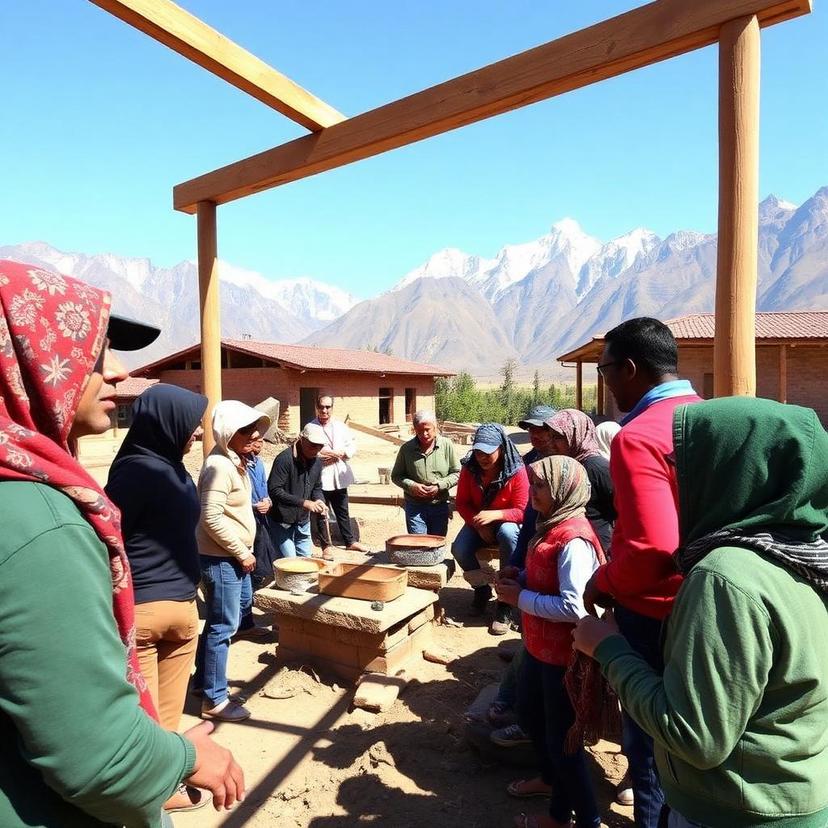
One of the most persistent myths about volunteering abroad is that it is only for college students on gap years. In reality, volunteers range from teenagers traveling with their parents to retirees in their 80s embarking on new adventures. Every age brings unique strengths, and the right program exists for every life stage.
This guide breaks down age requirements, considerations, and program recommendations decade by decade. Whether you are a parent researching options for your teenager, a mid-career professional considering a sabbatical, or a retiree looking for purpose, you will find practical guidance here.
Understanding Age Requirements
Before diving into age-specific recommendations, it helps to understand why age requirements exist:
Legal liability. Organizations set minimum ages primarily for insurance and legal reasons. Most travel insurance policies have age-related terms, and organizations bear legal responsibility for minors in their care.
Visa regulations. Some countries have specific visa categories for volunteers, and these may have age restrictions. Additionally, work permits (which some volunteer placements technically require) often have minimum age requirements.
Program suitability. Certain programs involve physical demands, emotional challenges, or situations that are not appropriate for very young or very old participants. Working in a hospital, for example, may not be suitable for a 14-year-old.
Child protection. Programs involving work with children increasingly require adult volunteers (18+) with background checks, to protect vulnerable populations.
Under 16 — Family Volunteer Programs
Children under 16 cannot volunteer abroad independently — and they should not. However, family volunteer programs allow children as young as 5 or 6 to participate alongside their parents in age-appropriate activities.
What is available:
Beach and habitat cleanups — Simple, physical activities that young children enjoyAnimal sanctuaries — Feeding, grooming, and basic care tasks under supervisionCommunity gardening — Planting and harvesting with local familiesArts and play programs — Reading, drawing, sports, and games with local childrenConstruction light tasks — Painting, carrying light materials (for older children)Key considerations:
At least one parent or guardian must accompany children at all timesPrograms must be explicitly designed for families — do not bring children to adult programsKeep health and safety front of mind: up-to-date vaccinations, child-friendly accommodation, access to medical careChildren process new experiences differently than adults. Be prepared for emotional reactions to poverty, unfamiliar food, and being away from home comfortsRecommended organizations: Projects Abroad Family Volunteering, IVHQ Family Programs, GVI Family Expeditions
Ages 16-17 — Teen Programs (With Parental Consent)
Sixteen and seventeen-year-olds occupy an exciting middle ground — old enough for meaningful work, young enough to need structured support. Most organizations offer dedicated teen programs during summer months.
What is available:
Structured group programs with 24/7 adult supervision, typically 2 to 4 weeksConservation and wildlife programs — Trail building, species monitoring, beach cleanupsCommunity projects — Teaching English, sports coaching, mural paintingCultural immersion — Homestays with vetted families, language lessons, cultural activitiesRequirements:
Written parental or guardian consent (always)Many programs require a phone or video interview with the teen before acceptanceSome programs require a minimum GPA or teacher referenceTravel insurance with parental authorizationEmergency contact information and medical history formsKey considerations:
Group size matters. Programs with 8 to 15 teens and 2 to 3 adult leaders offer the best balance of social experience and supervision.Communication home. Ensure the program location has WiFi or cellular access so your teen can contact you regularly.Emotional readiness. Not every 16-year-old is ready for the cultural shock of volunteering in a developing country. Have honest conversations about expectations, discomfort, and coping strategies before committing.Cost: Teen programs typically cost $2,000 to $5,000 for 2 to 4 weeks, including supervision, accommodation, meals, and activities. This is higher than adult programs due to the additional supervision and structured activities.
Ages 18-29 — The Classic Volunteer Demographic
This is the age range that most volunteer programs are designed for, and the majority of international volunteers fall into this bracket. As a legal adult, you have access to virtually every program worldwide.
What is available: Everything. Teaching, healthcare, conservation, construction, community development, research, animal care, disaster relief, and more. No age-related restrictions beyond being 18+.
Unique advantages of volunteering in your 20s:
Physical stamina for demanding programs (construction, conservation fieldwork)Fewer financial obligations (no mortgage, often no dependents)Career flexibility — easier to take time off between education and employmentRapid skill development — your brain is still in peak learning modeSocial ease — you will be surrounded by peers in most programsKey considerations:
Background checks are increasingly required for programs involving children or vulnerable populations, even for 18-year-oldsGap year programs are specifically designed for 18 to 24-year-olds and combine volunteering with travel and personal developmentStudent discounts are available from many organizations for enrolled university studentsAges 30-49 — Mid-Career Volunteers
Volunteering in your 30s and 40s often looks different from the gap-year experience. Mid-career volunteers tend to bring specialized skills, professional maturity, and clearer goals — but they also face unique challenges.
What is available:
Skills-based placements that leverage your professional experience — teaching business skills, medical placements, engineering projects, IT support, legal aidLeadership roles within volunteer programs — team coordination, project managementSabbatical programs designed specifically for working professionals (typically 1 to 3 months)Executive volunteer programs partnering professionals with organizations needing strategic guidanceUnique advantages:
Professional skills that are highly valued by host organizationsLife experience that helps you navigate cultural challenges with greater easeFinancial stability to afford programs and travel comfortablyNetwork value — your professional contacts can benefit host organizations long after you leaveKey considerations:
Career gap concerns. Many professionals worry about resume gaps. Frame your volunteer experience as a sabbatical, professional development, or skills-based consulting engagement rather than time off.Family obligations. If you have a partner or children, their needs factor into your planning. Some volunteers bring families; others plan solo trips of defined duration.Adjustment to group dynamics. You may be the oldest person in a group of 22-year-olds. Some find this energizing; others find it alienating. Look for programs that attract mixed-age groups or specifically target professionals.Ages 50-64 — Pre-Retirement and Empty Nesters
The 50-plus demographic is the fastest-growing segment of the volunteer abroad market. Children have left home, careers are established, and the desire for meaningful experiences intensifies.
What is available:
All standard programs — there are very few age-related restrictions before 65Mentoring and advisory roles — organizations increasingly seek experienced mentorsCultural exchange programs — teaching, craft sharing, language exchangeConservation programs with moderate physical demands — wildlife monitoring, marine research, botanical surveysUnique advantages:
Wisdom and patience that younger volunteers often lackFinancial resources for comfortable programs and longer durationsTime flexibility — especially for those who have taken early retirement or are between careersEmotional maturity for handling challenging situations without becoming overwhelmedKey considerations:
Health screening. Some programs require a doctor's clearance for volunteers over 50. Be transparent about any health conditions.Physical demands. Honestly assess whether the program's physical requirements match your fitness level. A two-hour daily hike to a mountain school is not for everyone.Insurance costs. Travel and health insurance premiums increase with age. Budget accordingly and ensure comprehensive coverage including medical evacuation.Climate sensitivity. Heat tolerance decreases with age. If you are sensitive to extreme heat, choose temperate destinations or programs with air-conditioned workspaces.Ages 65-74 — Active Retirees
Retirement opens up the possibility of long-term volunteering that working-age people cannot access. Many of the most impactful volunteers in this age range are in their late 60s and early 70s — they bring decades of experience, genuine patience, and zero career pressure.
What is available:
Teaching and tutoring — Retired teachers and professors are in extremely high demandBusiness mentoring — Retired executives mentoring local entrepreneursHealthcare — Retired doctors and nurses providing clinical support (credentials must be current or recently expired)Community development — Advisory roles, grant writing, organizational capacity buildingConservation — Programs with moderate physical demandsUnique considerations:
Medical requirements increase. Most programs require a recent medical clearance letter from your doctor. Some require a fitness test.Insurance becomes critical. Standard travel insurance often has reduced coverage or higher premiums for over-65s. Specialist policies exist — research them thoroughly.Medication access. If you take regular medication, ensure a sufficient supply and verify availability at your destination. Carry prescriptions in original packaging with a doctor's letter.Comfort needs. There is no shame in choosing a program with private rooms, reliable plumbing, and accessible facilities. Comfortable volunteers are effective volunteers.Shorter-duration programs may be advisable to start, with the option to extend if everything goes well.Ages 75 and Beyond — The Experienced Explorer
Volunteering is possible well into your 70s and beyond, though the pool of suitable programs narrows. The key factors are health, mobility, and finding programs that match your physical capabilities.
What is available:
Teaching and tutoring in well-equipped, accessible settingsStorytelling and oral history projects — sharing life experience with younger generationsAdministrative and advisory roles requiring minimal physical activityCraft and art instruction — passing on traditional skillsVirtual volunteering — contributing from home when travel becomes impracticalKey considerations:
Very few programs explicitly exclude volunteers over 75, but many have physical requirements that serve as de facto age limitsTravel companions are strongly recommended — consider volunteering with a partner, friend, or family memberProximity to medical facilities is non-negotiable. Choose programs in or near cities with quality healthcare.Flexible cancellation policies are essential, as health situations can change unexpectedlyShorter durations (1 to 2 weeks) reduce risk and fatigueAge-Specific Insurance Guide
Insurance is one of the most important age-related considerations. Here is a quick overview:
Under 18: Covered under family policies; programs typically include group insurance18-64: Standard travel insurance policies apply; shop around for the best rates65-74: Many standard policies still cover this range but with higher premiums and potentially lower coverage limits. Specialist policies from companies like World Nomads or Allianz offer better terms.75+: Standard policies often exclude or severely limit coverage. Specialist seniors travel insurance is essential. Expect to pay $200 to $500+ for a month of coverage including medical evacuation.The Bottom Line
Age is not a barrier to volunteering abroad — it is a factor in choosing the right program. A 70-year-old retired teacher may be the single most valuable volunteer a rural school in Cambodia has ever hosted. A 16-year-old with passion and energy can accomplish remarkable things in a well-supervised teen program. The key is matching your age, health, skills, and interests to a program that can channel them effectively. Do not let anyone tell you that you are too old or too young to make a difference.