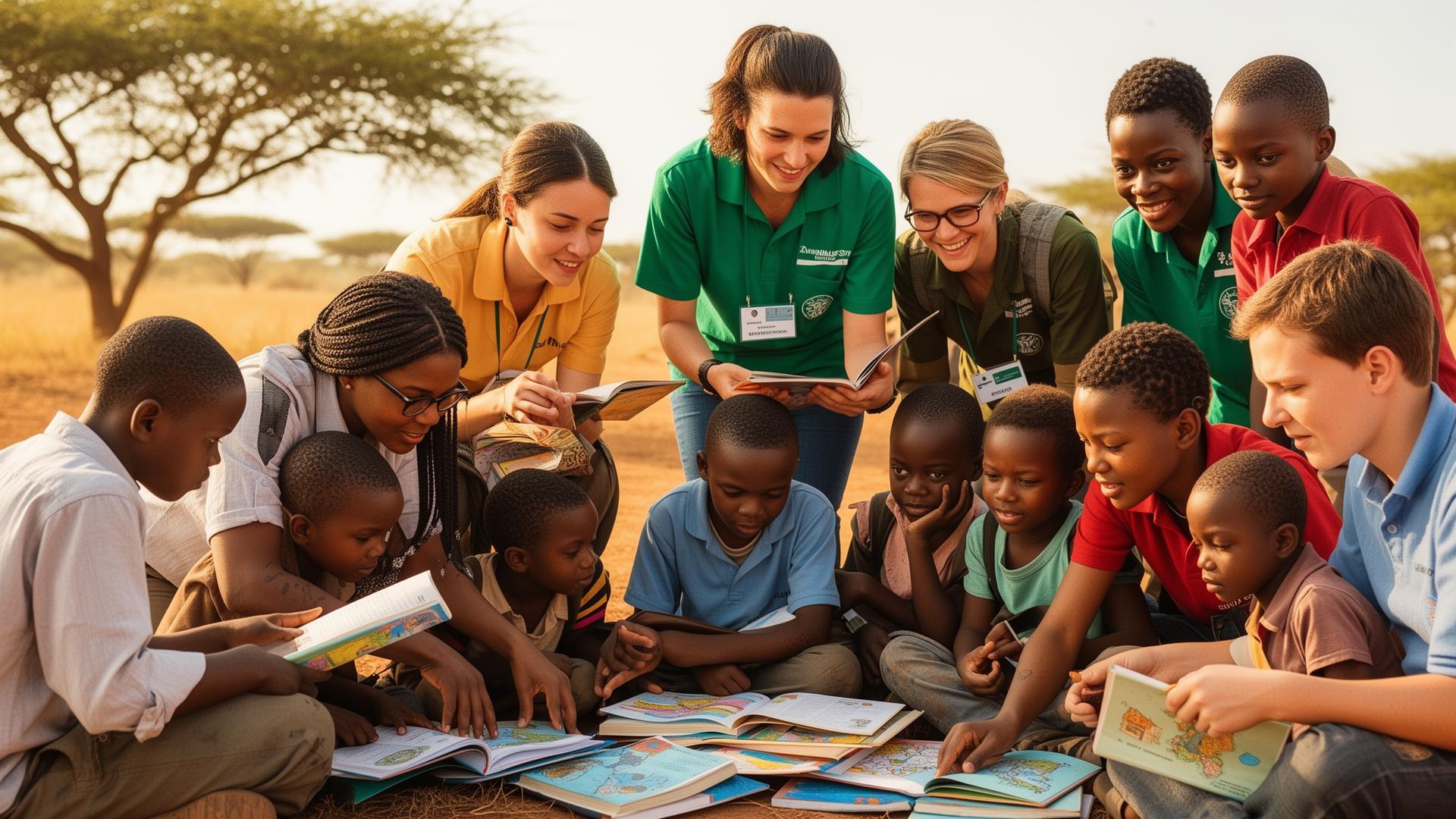
Introduction
Culture shock isn't just a buzzword — it's a real psychological phenomenon that affects virtually every volunteer who travels abroad. Understanding its stages and developing coping strategies can mean the difference between a transformative experience and a miserable one.
What Is Culture Shock?
Culture shock is the feeling of disorientation, anxiety, and frustration that occurs when you're immersed in a culture significantly different from your own. It's a completely normal response to unfamiliar customs, communication styles, food, and social norms.
Culture shock isn't a sign of weakness — it's a sign that you're genuinely engaging with a new culture rather than hiding behind tourist experiences.
Recommended Reading
The Four Stages of Culture Shock
Stage 1: The Honeymoon Phase (Weeks 1-2)
Everything is exciting and new:
Stage 2: Frustration (Weeks 2-6)
Reality sets in:
Stage 3: Adjustment (Weeks 6-12)
You start finding your rhythm:
Stage 4: Acceptance (Months 3+)
You feel at home:
Common Culture Shock Triggers for Volunteers
Communication Barriers
Different Concepts of Time
Food Differences
Personal Space and Privacy
Coping Strategies That Work
During the Frustration Stage
6. Talk to your coordinator: Program staff are trained to support volunteers through culture shock.
Building Cultural Competence
Self-Care Essentials
When Culture Shock Becomes Something More
Seek professional help if you experience:
Your program coordinator can help connect you with mental health support.
Conclusion
Culture shock is not a sign of failure — it's proof that you're truly immersing yourself in a new world. By understanding its stages and developing healthy coping strategies, you can move through it and emerge with a deeper appreciation for both the host culture and your own.
The discomfort is temporary. The growth is permanent.
Find supportive volunteer programs at volunteertotheworld.com →
Related: [Dealing with Reverse Culture Shock](/guides/reverse-culture-shock) | [Cultural Sensitivity & Local Customs](/guides/cultural-sensitivity)
Ready to Start Your Volunteer Journey?
Explore ethical programs in Kenya, Nepal, Thailand, and more.
View programs on our sister site, VolunteerToTheWorld.comEditorial team
Written and maintained by the Volunteer World Guide editorial team. Our editorial policy explains how we research, source and review what we publish.
Stay in the Loop
Get volunteer tips, destination guides, and opportunities delivered to your inbox.
You May Also Like
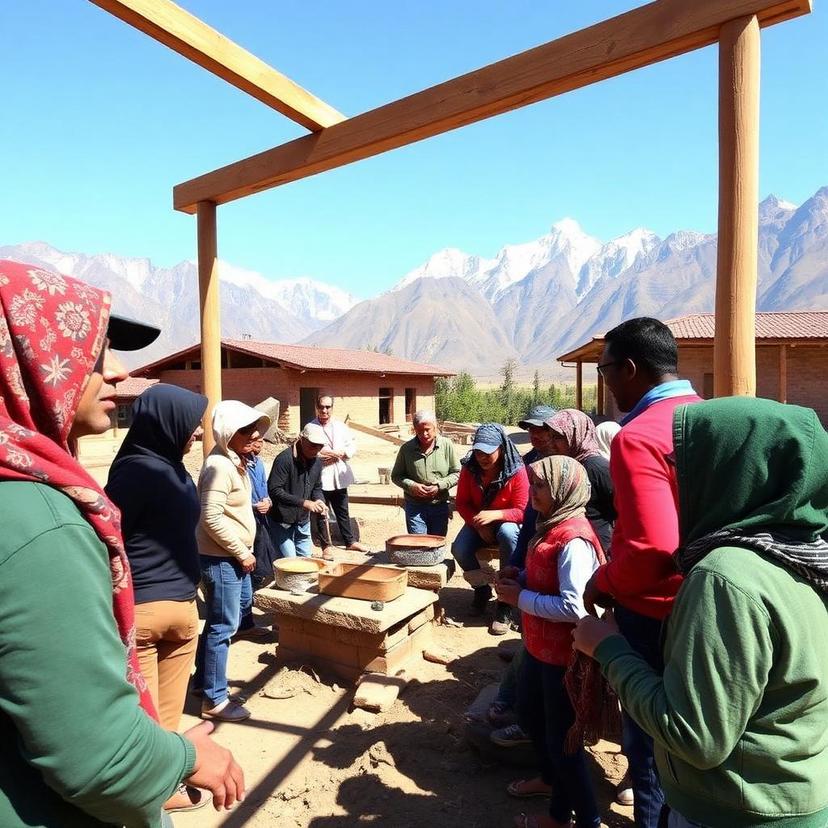
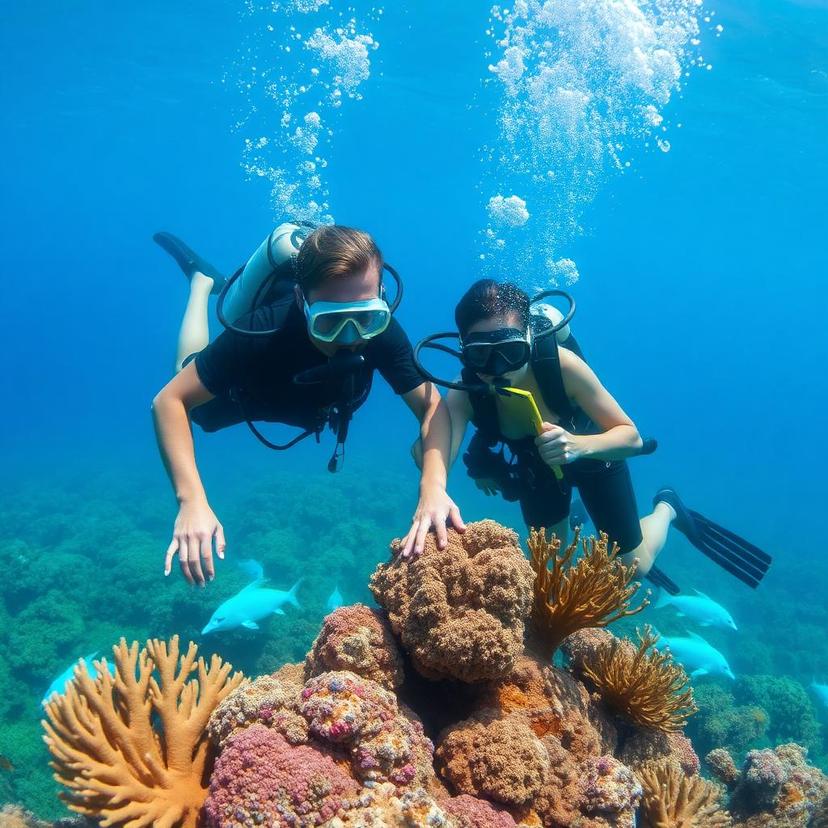
Related Programs on VolunteerToTheWorld.com
Ready to take the next step? Explore programs related to this article on our sister site.