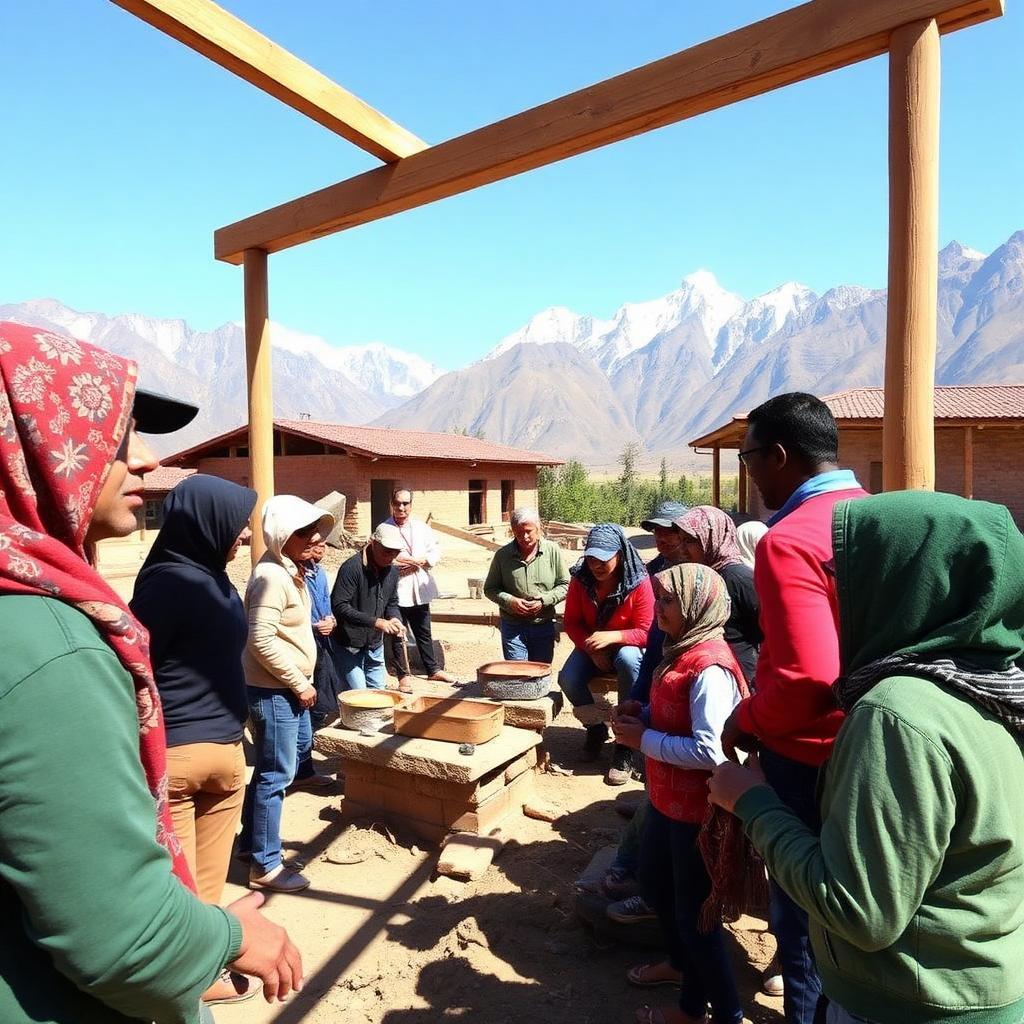
Introduction
Taking children on a multi-week volunteer trip abroad tends to provoke a mixed reaction from friends and family—admiration alongside real skepticism. Nepal is a common choice for families doing this for the first time: it has a strong safety reputation, family-friendly programs with age-appropriate activities, rich cultural and religious traditions, trekking alongside service, and reasonably easy English communication for kids.
Preparing the Kids
Families who prepare well tend to start months before departure, not the week of:
Recommended Reading
Health Preparation
A pediatrician consultation about vaccinations, a child-friendly first aid kit, familiar comfort items, and a plan for altitude and travel adjustment are standard preparation for families heading to Nepal specifically.
What the Experience Typically Involves
Programs generally tailor activities to a child's age and ability—younger children might do art projects, help with meals, or assist with simple, supervised tasks, while older children take on more independent roles like teaching English through games, construction assistance, or documentation. A typical day runs from an early breakfast with a host family, through a morning and afternoon block of volunteer activities with a rest period at midday, to unstructured family time and journaling in the evening.
Find family programs at volunteertotheworld.com →
The Hard Moments
Family volunteer trips are rarely challenge-free. Homesickness in the first few days is common and usually passes with reassurance and a good night's sleep. Food adjustment can be difficult for children used to a narrower diet, and having a simple fallback (rice and lentils, for instance) helps. The sensory intensity of a city like Kathmandu—noise, smells, crowds—can overwhelm children at first, and building in quiet time helps them recover. And children old enough to notice inequality often ask direct questions about it, which is best met with honest, age-appropriate conversation rather than deflection.
Daily family debriefs, flexible scheduling, familiar comfort items, and connecting with other volunteer families are the coping strategies most consistently associated with a smoother trip.
What Kids Tend to Take Away
Children who go through this kind of trip commonly come away with a few consistent lessons: that connection doesn't require a shared language, that they're more adaptable than they realized, that small acts of kindness matter, and a clearer sense of the privileges of life at home. Older children in particular often report developing patience and a form of leadership that doesn't depend on being in charge.
Advice for Other Families
Before you go: choose a program actually designed for families—not all volunteer work is appropriate for children—and prepare thoroughly, since kids handle challenges better when they know roughly what to expect. Consult a pediatrician and pack comprehensive first aid, and build flexibility into the itinerary for downtime.
During the trip: let children help set the pace, create a daily check-in ritual for processing feelings, document the experience together, and be mindful that children watch how adults handle difficulty.
After returning: give the debrief weeks, not days. Maintain connections with people met abroad where possible, look for ways to apply what was learned locally, and consider giving the family something to look forward to next.
Conclusion
Family volunteering isn't for everyone, but for families willing to accept some discomfort alongside the adventure, it tends to deliver something a standard vacation doesn't: a shared sense of purpose, and children who come home with a noticeably wider view of the world.
Ready to plan your family adventure? Explore family programs at volunteertotheworld.com.
Ready to Start Your Volunteer Journey?
Explore ethical programs in Kenya, Nepal, Thailand, and more.
View programs on our sister site, VolunteerToTheWorld.comEditorial team
Written and maintained by the Volunteer World Guide editorial team. Our editorial policy explains how we research, source and review what we publish.
Stay in the Loop
Get volunteer tips, destination guides, and opportunities delivered to your inbox.
You May Also Like
managing-homesickness-abroad
volunteering-with-children-ethics
From Corporate Burnout to Conservation: What the Transition Looks Like
Couples Who Volunteer Together: 5 Ways It Tends to Play Out
What to Expect Your First Week Volunteering Abroad
Volunteer Abroad Insurance: What Coverage Do You Really Need?
Related Programs on VolunteerToTheWorld.com
Ready to take the next step? Explore programs related to this article on our sister site.