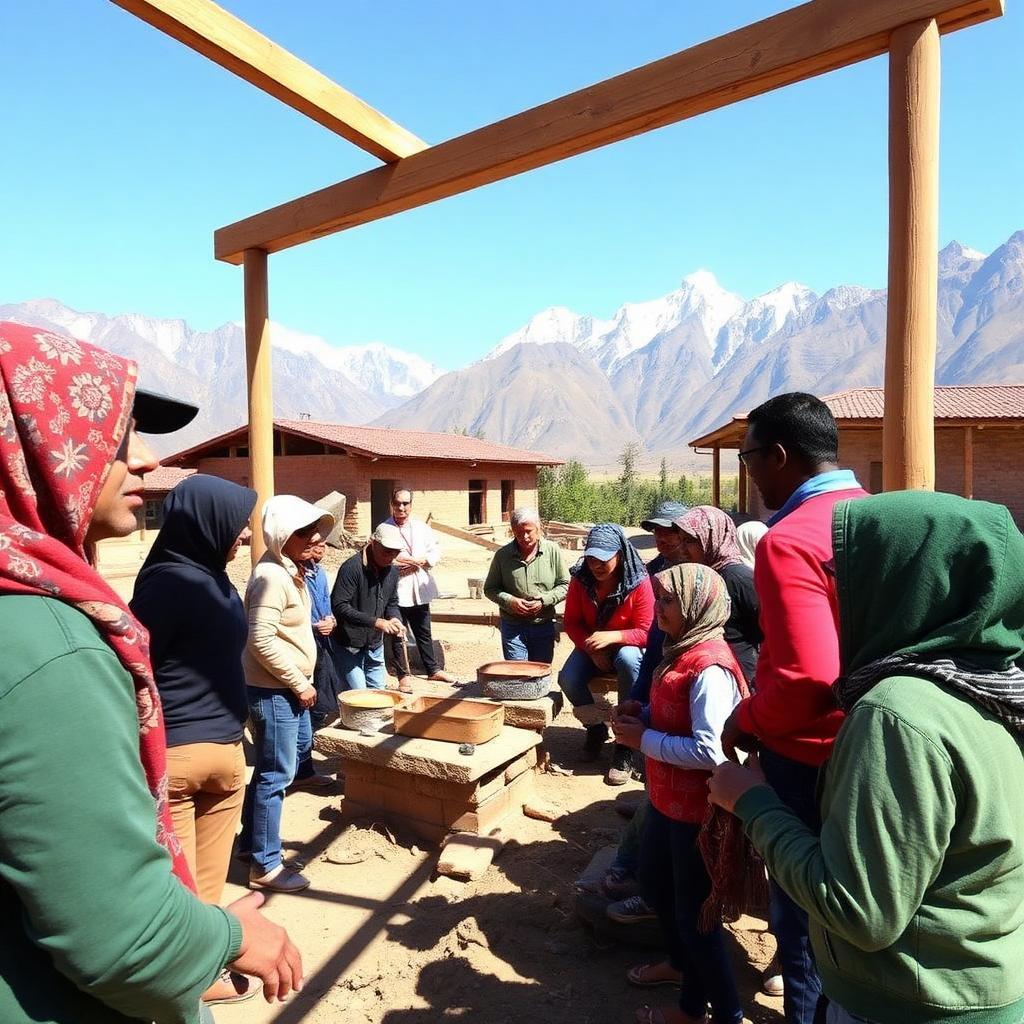
The new row on every destination page
Every [/destinations/[id]](/destinations/kenya) page now carries a Country at a Glance card with World Bank GDP per capita (PPP) data, sourced via the World Bank Open Data API under CC-BY-4.0. The row reads "GDP per capita (PPP, 2024): ${value}" and links back to data.worldbank.org for verification.
What GDP per capita PPP actually means
It's a per-person economic-output measure adjusted for purchasing power parity (PPP) — so $1,000 of Kenyan PPP-GDP buys roughly what $1,000 buys in the US, despite the official exchange rate. It's the cleanest cross-country comparison the World Bank publishes.
It is NOT cost of living. Numbeo and similar aggregators measure cost of living directly; Numbeo's data is paywalled and we can't republish it. GDP per capita PPP is a freely-available relative tier indicator.
Recommended Reading
How to read it for trip-planning
The number is a CONTEXT signal. Three rough tiers:
What it doesn't tell you
GDP per capita doesn't predict:
It's the equivalent of saying "this country has 50 million people" — useful background, not actionable advice.
What we use it for
We render it because it's a comparable, citable, free data point that anchors readers' mental models of a destination. A reader who clicks from Costa Rica to Madagascar can see at a glance that they're looking at very different economic contexts, even before they reach the cost calculator.
We refresh it annually. The script lives at `scripts/enrich-worldbank.mjs` — run `npm run enrich:worldbank` after each World Bank annual data release.
What's next
We're extending the same approach to World Bank Worldwide Governance Indicators (Voice & Accountability, Rule of Law, Control of Corruption) — same source, same license, additional cross-country comparable signals. Watch for those on the destination pages.
Ready to Start Your Volunteer Journey?
Explore ethical programs in Kenya, Nepal, Thailand, and more.
View programs on our sister site, VolunteerToTheWorld.comEditorial team
Written and maintained by the Volunteer World Guide editorial team. Our editorial policy explains how we research, source and review what we publish.
Stay in the Loop
Get volunteer tips, destination guides, and opportunities delivered to your inbox.
You May Also Like
Cost calculator walkthrough
Travel Insurance for Volunteers: 6 Providers Reference
Sabbaticals for Career Changers
From Corporate Burnout to Conservation: What the Transition Looks Like
A Family's Volunteer Adventure: What to Expect Traveling with Kids in Nepal
ILGA 2026 update: what changed for LGBTQ+ volunteers this year
Related Programs on VolunteerToTheWorld.com
Ready to take the next step? Explore programs related to this article on our sister site.