The plane touches down, you collect your bags, and suddenly you are home. The volunteer placement that consumed your world for weeks or months is now behind you. The community, the colleagues, the daily routines — all reduced to memories and photos on your phone.
For many returning volunteers, the weeks after coming home are surprisingly difficult. You feel a disconnect between the intensity of your experience abroad and the normalcy of life at home. Friends and family ask polite questions but cannot really understand what you went through. The cause you cared so deeply about feels distant and inaccessible.
This guide is about bridging that gap — maintaining your connection to the cause, the community, and the version of yourself that emerged during your volunteer experience. Because the truth is, your impact does not have to end when your placement does. In many cases, the most valuable contributions happen after you return.
Maintaining Connections with Your Host Community
The relationships you built during your placement are the foundation of ongoing involvement. Maintaining them requires intentional effort, but the rewards are enormous — both for you and for the community.
Practical ways to stay connected:
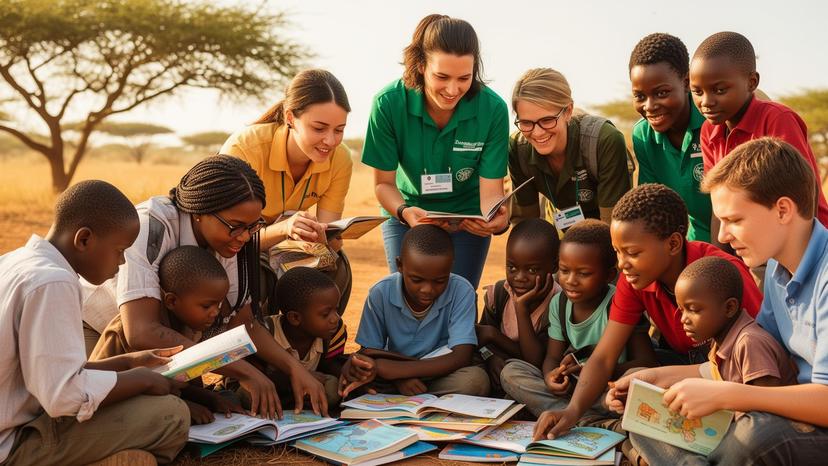
Exchange contact information before you leave — WhatsApp is the most universal communication platform. Get numbers for your in-country coordinator, local staff, host family members, and any community members you worked closely with. Create a group chat before you depart so the channel is already established.Schedule regular check-ins — A monthly video call or voice note exchange keeps relationships alive without being burdensome. Ask about the project, the community, and the people you cared about. Share your own life updates too — genuine relationships go both directions.Send photos and updates — If you took photos during your placement (with consent), send them to the people in them. A printed photo album sent by mail can be a treasured gift in communities where printed photographs are rare.Remember significant dates — Birthdays, local holidays, and project milestones. A simple message on these occasions shows you care about the community as people, not just as your volunteer project.Learn more of the language — If you started learning the local language during your placement, keep studying after you return. Using even basic phrases in your messages shows deep respect and commitment.Fundraising for Your Project
One of the most impactful things a returning volunteer can do is fundraise for the project or organization they served with. You have first-hand knowledge of the need, personal stories to share, and a network of friends and family who watched your journey unfold.
Effective fundraising strategies:
Personal fundraising page — Set up a page on GoFundMe, JustGiving, or your organization's fundraising platform. Share your personal story, specific needs you witnessed, and clear information about how funds will be used. Include photos and video from your placement.Workplace giving programs — Many employers offer matched giving or workplace fundraising opportunities. A dollar-for-dollar employer match doubles your impact immediately. Ask your HR department about corporate giving policies.Event fundraising — Host a dinner party, pub quiz, film screening, or community event with your volunteer experience as the theme. Charge a small entry fee and donate the proceeds. These events also raise awareness and inspire others to volunteer.Social media campaigns — Document your fundraising goal on Instagram, Facebook, or TikTok. Share updates as you get closer to your target. Tag the organization and use their hashtags to amplify reach.In-kind donations — Sometimes the community needs specific items rather than money. School supplies, medical equipment, sports gear, or technology can often be collected and shipped. Coordinate with the organization to understand what is actually needed — do not assume.Important fundraising principles:
Always coordinate with the organization before fundraising on their behalfBe transparent about where funds will goSet a specific, realistic goal tied to a tangible outcome (e.g., "Raise 2,000 dollars to build a classroom library" is more compelling than "raise money for education")Report back to donors on how their contributions were usedSharing Your Story Effectively
Your volunteer experience is a powerful narrative tool for raising awareness, inspiring others, and challenging stereotypes about international development. But sharing your story well requires thoughtfulness.
How to share your experience:
Write a blog post or article — A detailed account of your experience, including challenges and honest reflections as well as highlights. Share it on your personal blog, LinkedIn, Medium, or offer it to your university or workplace newsletter.Give a presentation — Offer to speak at your school, workplace, community group, or place of worship. A 20-minute presentation with photos and stories can be incredibly impactful. Focus on what you learned, not just what you did.Create social media content — Post thoughtful reflections, not just highlight reels. Share what surprised you, what challenged you, and what you learned about yourself and the community.Talk to schools — Local schools are often eager for volunteers to share their experiences with students. This can inspire the next generation of global citizens.What to avoid when sharing your story:
Savior narratives — You did not "save" anyone. You contributed to a community effort. Frame your role accurately and center the community's own agency and resilience.Poverty tourism imagery — Avoid sharing photos that exploit or sensationalize poverty. Do not post images of distressed children or living conditions without context and consent.Oversimplification — Development challenges are complex. Resist reducing your experience to simple before-and-after narratives or implying that your brief visit solved deep-rooted problems.Speaking for the community — Share your own perspective and experience, not presumed interpretations of what community members think or feel.Career Pivoting After Volunteering
For many people, a volunteer placement is a turning point that reshapes their career trajectory. If your experience revealed a new passion or confirmed an existing one, here is how to pivot.
Paths into international development careers:
Graduate programs — Masters degrees in international development, public health, environmental science, or nonprofit management are common entry points for career-changers inspired by volunteeringEntry-level positions with NGOs — Your volunteer experience, combined with your professional skills, qualifies you for coordinator, program assistant, and communications roles with international organizationsFellowship programs — Programs like Peace Corps, VSO, and Australian Volunteers International offer longer-term placements (1-2 years) that bridge the gap between volunteering and professional development workConsulting — If you have specialized skills (finance, technology, marketing, legal), you can offer pro bono or reduced-rate consulting to the organization you volunteered with, building a portfolio of development sector experienceSocial enterprise — Some returning volunteers launch their own projects: importing fair-trade products from their host community, starting nonprofits, or building technology solutions for development challengesPractical career transition tips:
Update your LinkedIn profile to highlight your volunteer experience, focusing on skills developed and impact achievedConnect with development professionals you met during your placementJoin professional networks like Devex, Idealist, and ReliefWeb for job listings in the sectorAttend international development conferences and networking eventsConsider a part-time or remote role with the organization you volunteered with as a stepping stoneOngoing Remote Support
Even without fundraising or career change, you can continue contributing to your project remotely. Many organizations welcome ongoing remote volunteers who can:
Mentor students or staff via video call — A weekly 30-minute call with a student you taught or a colleague you trained can sustain the gains made during your placementManage social media accounts — Many small organizations lack the capacity to maintain their online presence. Offering to manage their Facebook, Instagram, or website can significantly boost their visibility and fundraisingWrite grant applications — If you have writing skills, helping your organization apply for grants is one of the highest-impact remote contributions you can makeProvide technical support — Troubleshooting IT issues, managing databases, or maintaining websites remotelyTranslate materials — If you speak the local language, translating program materials, reports, or marketing content between languagesAlumni Networks and Community
Most established volunteer organizations maintain alumni networks that connect past volunteers with each other and with ongoing programs.
Benefits of active alumni engagement:
Peer support — Other returning volunteers understand what you are going through. Alumni groups provide a space to process your experience, share challenges, and celebrate successesNetworking — Alumni networks include people at every career stage, from recent graduates to senior development professionals. These connections can be invaluable for career transitionsOngoing involvement opportunities — Alumni are often first in line for speaking engagements, mentoring roles, fundraising campaigns, and recruitment activitiesReunion events — Many organizations host annual alumni gatherings, providing opportunities to reconnect with fellow volunteers and relive shared experiencesIf your organization does not have an active alumni network, consider starting one. A simple Facebook group or WhatsApp chat connecting past volunteers from your program can grow into a powerful community.
Annual Return Trips
Some volunteers find that one trip is not enough. Annual return trips — going back to the same project or community each year — create a depth of relationship and continuity of impact that single placements cannot match.
Benefits of returning:
You see your previous work's impact and can build on itCommunity members trust you more deeply with each visitYou can take on more complex, impactful rolesThe experience of watching a community evolve over years is profoundly meaningfulIf annual international travel is not feasible, consider returning every two or three years, with remote engagement filling the gaps between visits.
Advocacy and Awareness
Beyond direct support for your specific project, you can advocate for broader systemic change related to the issues you witnessed.
Advocacy actions:
Contact elected officials about foreign aid policy, development spending, or specific country issues you observed first-handSupport campaigns run by organizations working on issues you care about — climate change, education access, healthcare equity, refugee rightsChallenge stereotypes in your daily conversations about developing countries, volunteering, and international aidVote and consume responsibly — Support policies and businesses that align with the values your volunteer experience reinforcedThe Bottom Line
Coming home from a volunteer placement can feel like an ending, but it is actually a transition. The skills you developed, the relationships you built, and the awareness you gained are assets that can drive impact for years — if you choose to use them. Stay connected, give back financially, share your story responsibly, explore career pivots, and remember that the community you served is not a chapter in your story — they are ongoing, and your relationship with them can be too.