Introduction
Volunteering together can compress months of ordinary relationship give-and-take into a few intense weeks. Couples who've done it often describe it as a genuine stress test—but one that, for many, strengthens rather than strains the relationship.
How that test plays out depends heavily on the type of placement. Here's what tends to happen across five common categories of couple volunteering.
Elephant Sanctuary Volunteering (Thailand and Similar Destinations)
Recommended Reading
The Experience
Sanctuary placements typically involve early starts and physically repetitive routine care: preparing food, cleaning enclosures, observing behavior, and giving mud baths, often for several weeks, living in shared basic accommodation.
What It Tends to Teach Couples
The long hours of repetitive, physical work side by side surface each partner's stress response early. One partner may go quiet under pressure while the other wants to talk things through—recognizing that difference, rather than treating it as rejection, is often the single most useful thing a couple takes from this kind of placement.
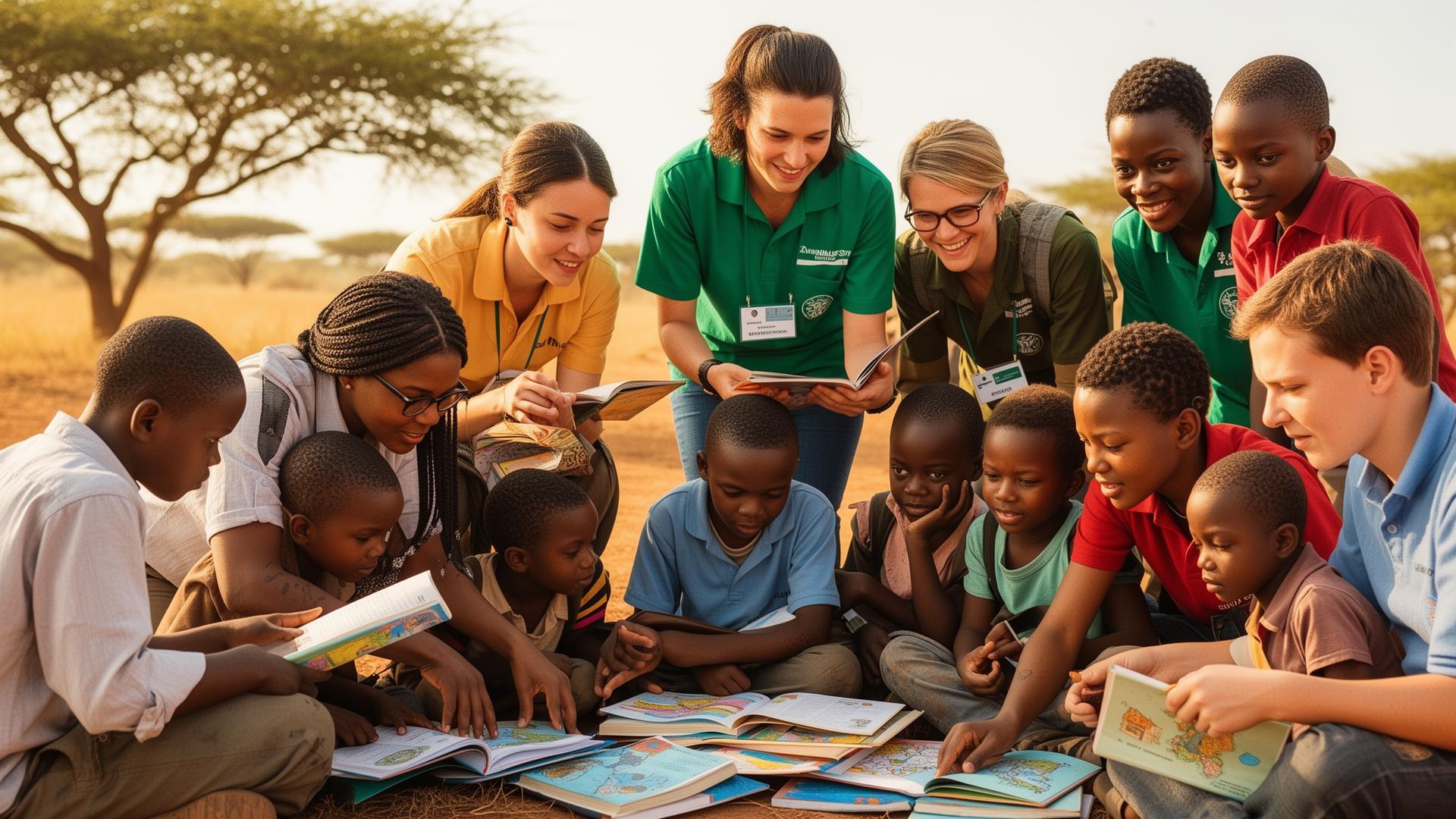
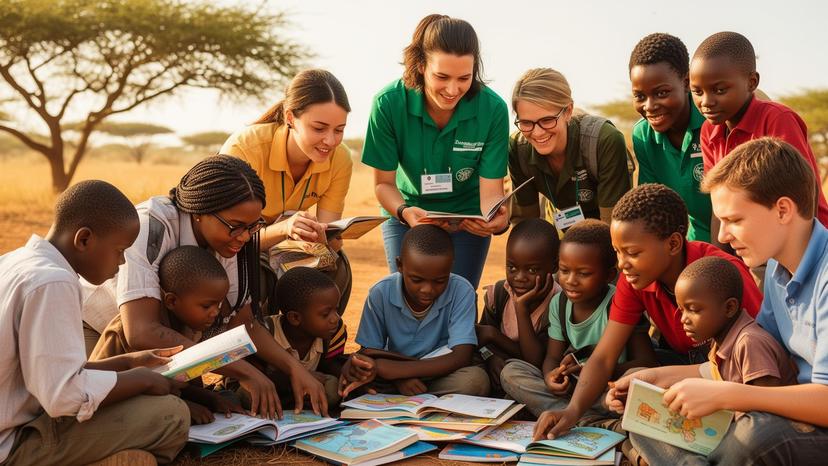
Teaching Placements (e.g., Rural Schools in East Africa)
The Experience
Couples with complementary skills—one teaching, one supporting a local clinic, for example—often split into separate roles rather than working side by side, each with their own demanding day and limited resources.
What It Tends to Teach Couples
Splitting roles by individual skill, rather than insisting on doing everything together, tends to be more sustainable over a multi-week placement—but it also means deliberately protecting time in the evenings to reconnect, since the two of you may otherwise be having very different days.
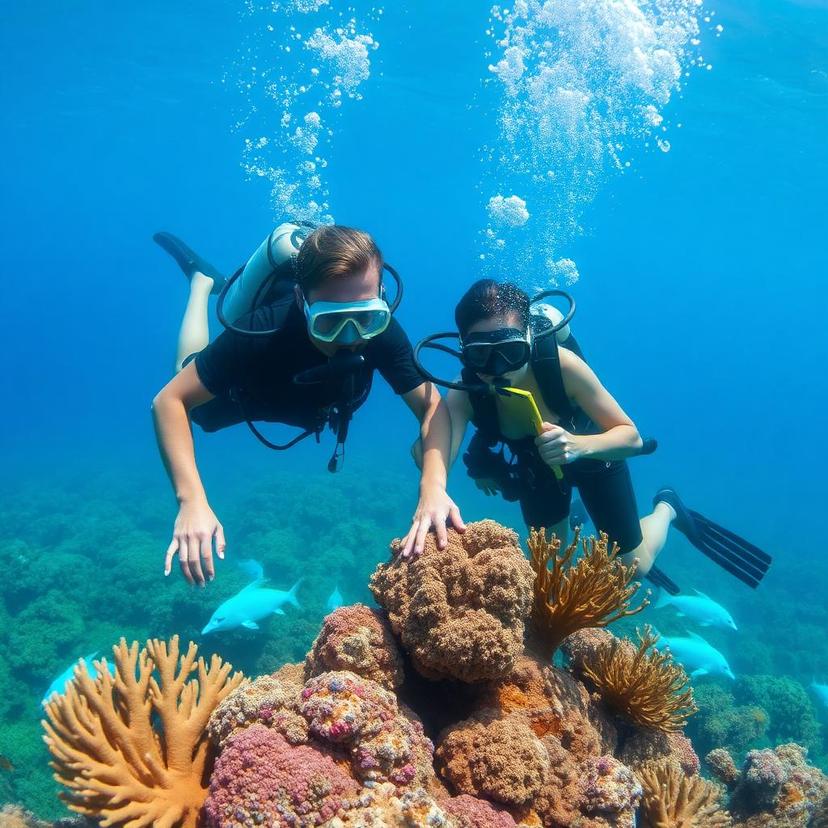
Marine Conservation Research (e.g., Mozambique, Indonesia)
The Experience
Remote marine research postings often mean shared, basic living quarters, intermittent electricity, and little or no reliable internet, while conducting surveys and species identification work.
What It Tends to Teach Couples
Enforced disconnection from phones and the outside world means disagreements largely have to be talked through in person rather than avoided or deferred. Couples who've done this kind of placement often find it harder in the moment but more useful for the relationship long-term.
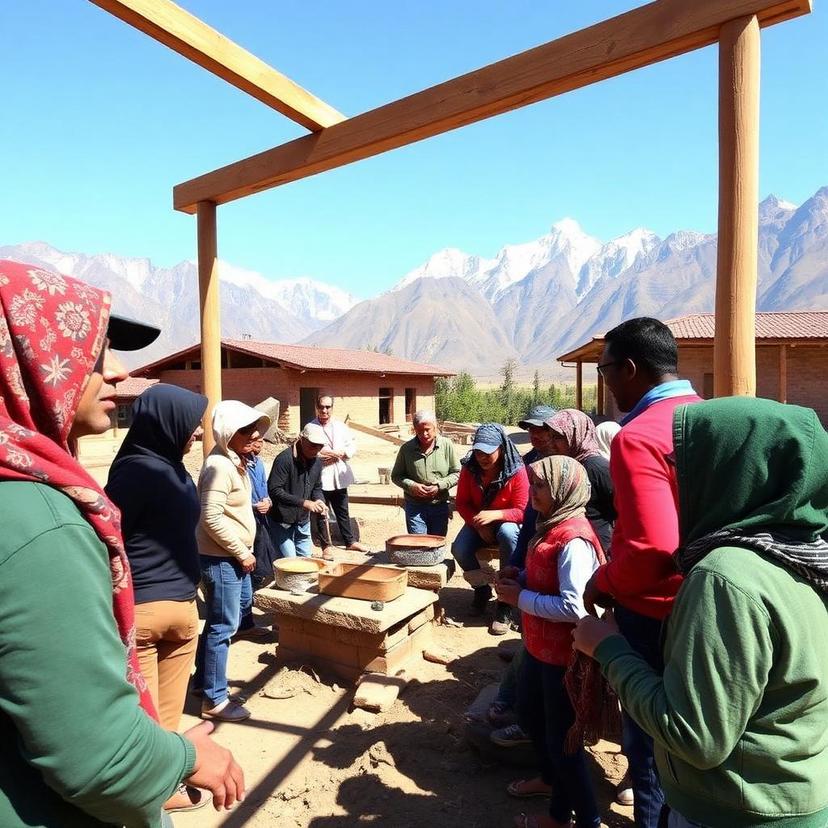
Community Development Projects (e.g., Rural Peru)
The Experience
These placements typically combine shared community-facing work, such as health workshops, with more individual, physical tasks like construction or irrigation work.
What It Tends to Teach Couples
Differing views on logistics—how long to stay, how to balance the placement against jobs or commitments back home—are a common source of friction. It's a conversation worth having candidly before departure rather than negotiating it mid-placement.
Wildlife Conservation for Retirees (e.g., Southern Africa)
The Experience
Retiree-oriented wildlife placements involve physically demanding fieldwork—camera-trap checks, GPS tracking, anti-poaching patrol support—usually based out of a shared tent or bush camp.
What It Tends to Teach Couples
Even after decades together, an unfamiliar environment can reveal sides of a partner that everyday routines at home rarely surface: confidence around wildlife, storytelling energy, or a calm that only shows up under different kinds of pressure.
What These Placements Have in Common
Shared Themes
Across all five categories, a few patterns hold:
Find couple-friendly volunteer programs at volunteertotheworld.com →
Conclusion
Volunteering as a couple isn't only about doing good—it can be a real test of a relationship, and for many couples, a strengthener too. The categories above show how differently that test can look depending on the setting: physical and routine-driven, skills-split, remote and disconnected, or logistically demanding.
If you and your partner are considering a volunteer trip together, it's worth discussing expectations—about roles, about disagreements, about what a good outcome looks like—before you commit to a placement.
For more on couple volunteering, read [Volunteering as a Couple: How to Choose the Right Program Together](/blog/volunteering-as-couple-choosing-program) and [Volunteering as a Couple: Strengthening Your Relationship](/blog/volunteering-as-couple-abroad).
Ready to Start Your Volunteer Journey?
Explore ethical programs in Kenya, Nepal, Thailand, and more.
View programs on our sister site, VolunteerToTheWorld.comEditorial team
Written and maintained by the Volunteer World Guide editorial team. Our editorial policy explains how we research, source and review what we publish.
Stay in the Loop
Get volunteer tips, destination guides, and opportunities delivered to your inbox.
You May Also Like
volunteering-as-couple-choosing-program
volunteering-as-couple-abroad
long-distance-relationships-volunteering
A Family's Volunteer Adventure: What to Expect Traveling with Kids in Nepal

Volunteer Abroad for Introverts — Quiet Ways to Make a Big Impact
From Corporate Burnout to Conservation: What the Transition Looks Like
Related Programs on VolunteerToTheWorld.com
Ready to take the next step? Explore programs related to this article on our sister site.