    Early Bird 2026: Book before March 31 — 15% off your placement fee!Explore programs →

    Family Volunteering Abroad: Age-Appropriate Programs for Kids
    Guides

    Family Volunteering Abroad: Age-Appropriate Programs for Kids

    How to find volunteer programs that welcome families with children and create meaningful experiences for all ages.

    Dr. Sarah MitchellDr. Sarah MitchellFebruary 4, 20269 min read

    Introduction

    More families than ever are trading resort vacations for volunteer trips abroad. The motivation is simple: parents want to teach their children about the world, empathy, and service—lessons that can't be learned from a textbook or a beach chair.

    But volunteering with children requires careful planning. Not all programs welcome families, and children of different ages need different types of engagement. This guide helps you find the right fit.

    Why Families Volunteer Abroad

    Benefits for Children

  1. Empathy development: Seeing different ways of life builds compassion
  2. Gratitude: Understanding privilege through experience, not lecture
  3. Resilience: Adapting to new environments builds confidence
  4. Cultural literacy: Exposure to different cultures creates global citizens
  5. Family bonding: Shared purpose creates deep family memories
  6. Benefits for Parents

  7. Role modeling: Show your values through action
  8. Simplified living: A break from screens, schedules, and consumer culture
  9. New perspectives: See your children thrive in unfamiliar environments
  10. Personal growth: Your own volunteer experience enriches your parenting
  11. Quality time: Unstructured time together without daily distractions
  12. "Children as young as five can participate meaningfully in volunteer programs. The key is matching the activity to the developmental stage—not underestimating what kids can do." — Dr. Sarah Mitchell

    Age-Appropriate Activities

    Ages 3-6: Little Helpers

    At this age, children learn through play and observation:

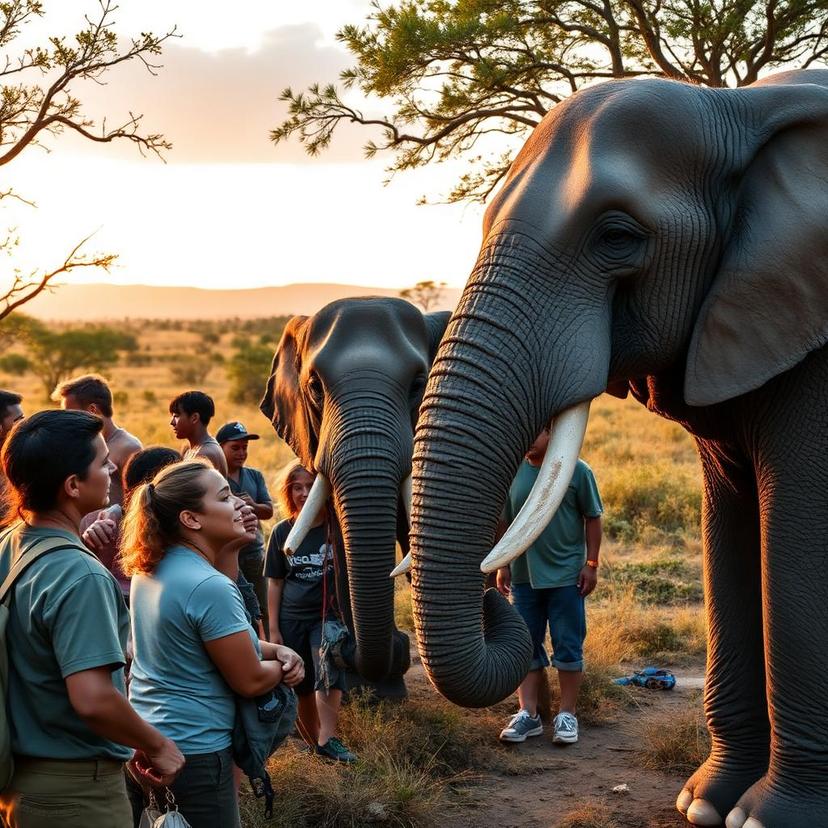
  13. Animal care: Feeding and grooming animals at sanctuaries
  14. Gardening: Planting seeds, watering, and harvesting
  15. Art and music: Creative activities with local children
  16. Beach cleanups: Short, supervised environmental activities
  17. Cultural play: Games, songs, and stories with local families
  18. Keep sessions short (1-2 hours) with plenty of free play time.

    Ages 7-11: Active Contributors

    Children this age can take on more responsibility:

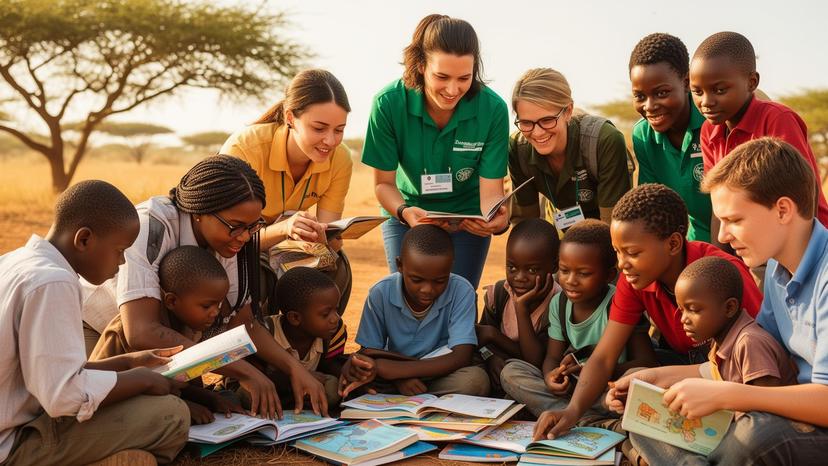
  19. Teaching and tutoring: Reading with younger children, basic English games
  20. Construction light: Painting, organizing, carrying supplies
  21. Environmental projects: Tree planting, recycling, nature surveys
  22. Cultural exchange: Learning local crafts, cooking, dances
  23. Animal conservation: Data collection, habitat maintenance (supervised)
  24. Sessions can be 2-4 hours with structured activities and clear goals.

    Ages 12-17: Young Volunteers

    Teenagers can engage with most volunteer activities:

  25. Teaching: Leading classes, tutoring, mentoring
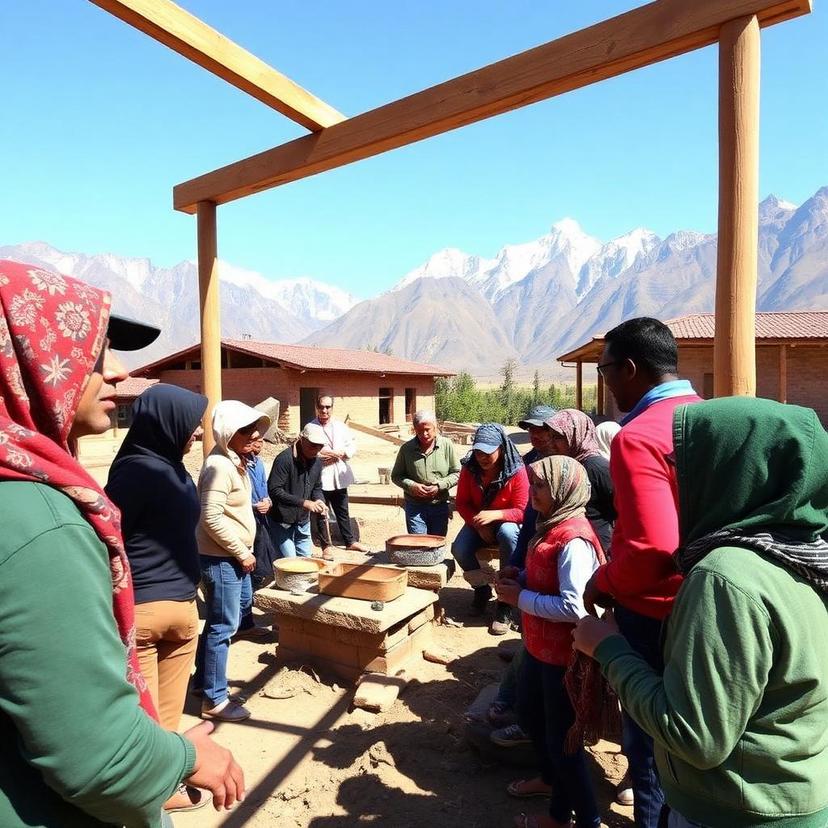
  26. Construction: Building, renovation, infrastructure projects
  27. Healthcare: Community health education, first aid support
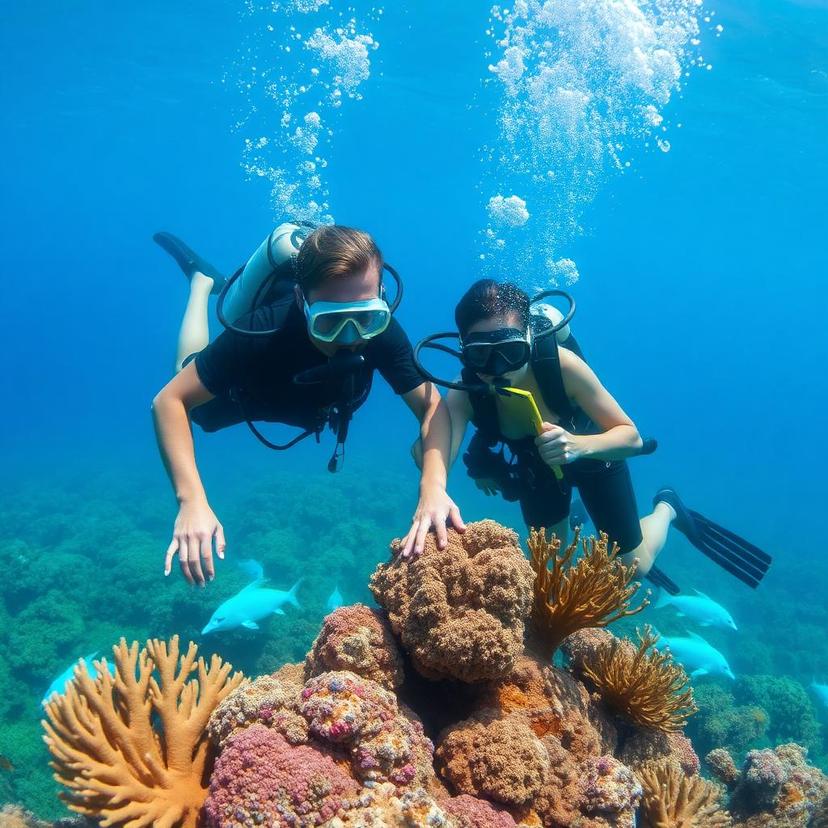
  28. Conservation: Wildlife monitoring, marine surveys, reforestation
  29. Community development: Needs assessments, project planning
  30. Full-day participation is appropriate, with guidance and debriefing.

    Choosing a Family-Friendly Program

    Essential Criteria

  31. Explicit family welcome: The program should have experience hosting families
  32. Flexible scheduling: Children can't work 8-hour days
  33. Safe accommodation: Family rooms, clean water, child-safe facilities
  34. Health access: Proximity to medical facilities
  35. Child-appropriate activities: Structured programming for different ages
  36. Free time: Balance work with exploration and play
  37. Questions to Ask

  38. What ages have you hosted before?
  39. Are there other families participating during our dates?
  40. What specific activities are available for our children's ages?
  41. What are the accommodation arrangements for families?
  42. How far is the nearest hospital or clinic?
  43. 6. What are the meal arrangements for children with dietary needs?

    7. Is there childcare available if parents want to do more intensive work?

    Best Destinations for Families

    Costa Rica: Wildlife sanctuaries, beach conservation, safe and family-friendly

    Thailand: Elephant care, cultural immersion, excellent food

    Portugal: Environmental projects, European comfort and safety

    South Africa: Wildlife reserves, community projects, good infrastructure

    Bali, Indonesia: Community projects, cultural activities, affordable

    Preparing Your Family

    Talking to Your Kids

    Age-appropriate conversations before departure:

  44. Young children: "We're going to help people and animals in another country. We'll do fun things together."
  45. Older children: Discuss the community, the cause, and why you're going
  46. Teenagers: Involve them in choosing the program and setting goals
  47. Health and Safety

  48. Complete all recommended vaccinations well in advance
  49. Pack a comprehensive first aid kit
  50. Bring sufficient prescription medications
  51. Research local hospitals and emergency services
  52. Purchase family travel insurance with pediatric coverage
  53. Packing for Kids

    Essentials often overlooked:

  54. Familiar comfort items (stuffed animal, favorite book)
  55. Sunscreen and insect repellent (child-safe formulas)
  56. Snacks from home (for picky eaters during adjustment)
  57. Coloring books and small toys for downtime
  58. Waterproof bags for wet/dirty clothes
  59. Child-appropriate work gloves
  60. On the Ground: Making It Work

    Managing Expectations

  61. Children will have good days and hard days—that's normal
  62. Flexibility is your best tool
  63. If a child is struggling, take a break without guilt
  64. The goal is exposure and engagement, not productivity
  65. Children process experiences differently from adults—be patient
  66. Balancing Work and Family Time

    Structure your days to include:

  67. Morning volunteer work (the most productive time for kids)
  68. Afternoon free time (exploration, swimming, rest)
  69. Evening family reflection (what did we see/learn/feel today?)
  70. Weekly adventure day (excursion or cultural activity)
  71. Involving Local Families

    The most meaningful family volunteer experiences involve:

  72. Shared meals with local families
  73. Children playing together across language barriers
  74. Cultural exchanges (cooking, crafts, games)
  75. Home visits (when culturally appropriate and invited)
  76. Find family-friendly volunteer programs at volunteertotheworld.com →

    After the Trip: Continuing the Conversation

    Processing with Kids

  77. Create a family scrapbook or photo album together
  78. Let children tell their own version of the story
  79. Discuss what surprised them, what was hard, and what they loved
  80. Connect the experience to their daily life at home
  81. Explore ways to help locally as a family
  82. Lasting Impact on Children

    Research shows children who volunteer abroad:

  83. Develop higher empathy and social awareness
  84. Are more adaptable and resilient
  85. Show greater interest in global issues
  86. Develop stronger family bonds
  87. Are more likely to volunteer as adults
  88. Conclusion

    Family volunteering abroad is an investment in your children's character, your family's bonds, and a community's wellbeing. It teaches lessons about privilege, empathy, and purpose that no classroom can match.

    Start with a short trip, choose an age-appropriate program, and let your children surprise you with their capacity for kindness and resilience. The memories you create will shape your family for generations.

    For more on volunteering with others, read about [Volunteering as a Couple](/blog/volunteering-as-couple-choosing-program) and [Volunteering with Friends](/blog/volunteering-with-friends-group-trip).

    Ready to Start Your Volunteer Journey?

    Explore ethical programs in Kenya, Nepal, Thailand, and more.

    View Programs on VolunteerToTheWorld.com
    Dr. Sarah Mitchell
    Dr. Sarah Mitchell

    Founder & Director

    Former UNICEF program coordinator with 15+ years in international development.

    Share this article:

    Related Programs on VolunteerToTheWorld.com

    Ready to take the next step? Explore verified programs related to this article.