Introduction
Animal sanctuary volunteering is one of the most searched volunteer opportunities online — and one of the most rife with exploitation. For every genuine sanctuary rescuing and rehabilitating animals, there are facilities that breed animals for tourist interactions, drug wildlife for photo ops, or keep animals in abusive conditions while marketing themselves as "sanctuaries."
This guide will help you identify programs that genuinely help animals — and avoid ones that harm them for profit.
The Sanctuary Problem
Recommended Reading
Why It Matters
The exotic animal tourism industry generates billions annually. Much of it relies on:
The Terminology Trap
These words are not regulated in most countries:
Anyone can use them. The only way to tell a real sanctuary from a fake is to look at their practices.
Red Flags: How to Spot Fake Sanctuaries
Immediate Warning Signs
🚩 You can touch, hold, or ride the animals — real sanctuaries minimize human contact
🚩 Baby animals are available for interaction — they shouldn't be separated from mothers
🚩 Animals perform tricks or shows — sanctuaries don't train for entertainment
🚩 Photo opportunities with wildlife — especially selfies with big cats, primates, or elephants
🚩 Breeding programs without release plans — breeding for display, not conservation
🚩 Animals in small cages or chained — real sanctuaries provide adequate space
Subtler Red Flags
🚩 Marketing focuses on tourist experience rather than animal welfare
🚩 No veterinary staff on-site or on call
🚩 No accreditation from recognized bodies (GFAS, PASA, AZA)
🚩 Animals from non-local species (why does a Thai "sanctuary" have African lions?)
🚩 High volunteer turnover with no concern for animal stress
If you can cuddle it, it's not a sanctuary. Real rescue animals are wild — the goal is to return them to nature, not to make them Instagram props.
Green Flags: Signs of a Genuine Sanctuary
Operational Standards
✅ No direct animal contact for visitors or volunteers (or very limited, supervised contact)
✅ Accreditation from GFAS (Global Federation of Animal Sanctuaries) or similar bodies
✅ Veterinary presence and documented medical care protocols
✅ Adequate enclosure sizes that replicate natural habitats
✅ Release programs for rehabilitated animals where possible
✅ No breeding (unless part of a legitimate species survival plan)
Volunteer Program Standards
✅ Meaningful work: Preparing food, habitat maintenance, behavioral observation
✅ Training provided: Animal handling safety, welfare protocols
✅ Minimum commitment: Usually 2+ weeks (not drop-in tourist visits)
✅ Transparency: Clear about where volunteer fees go
Best Ethical Animal Volunteer Programs
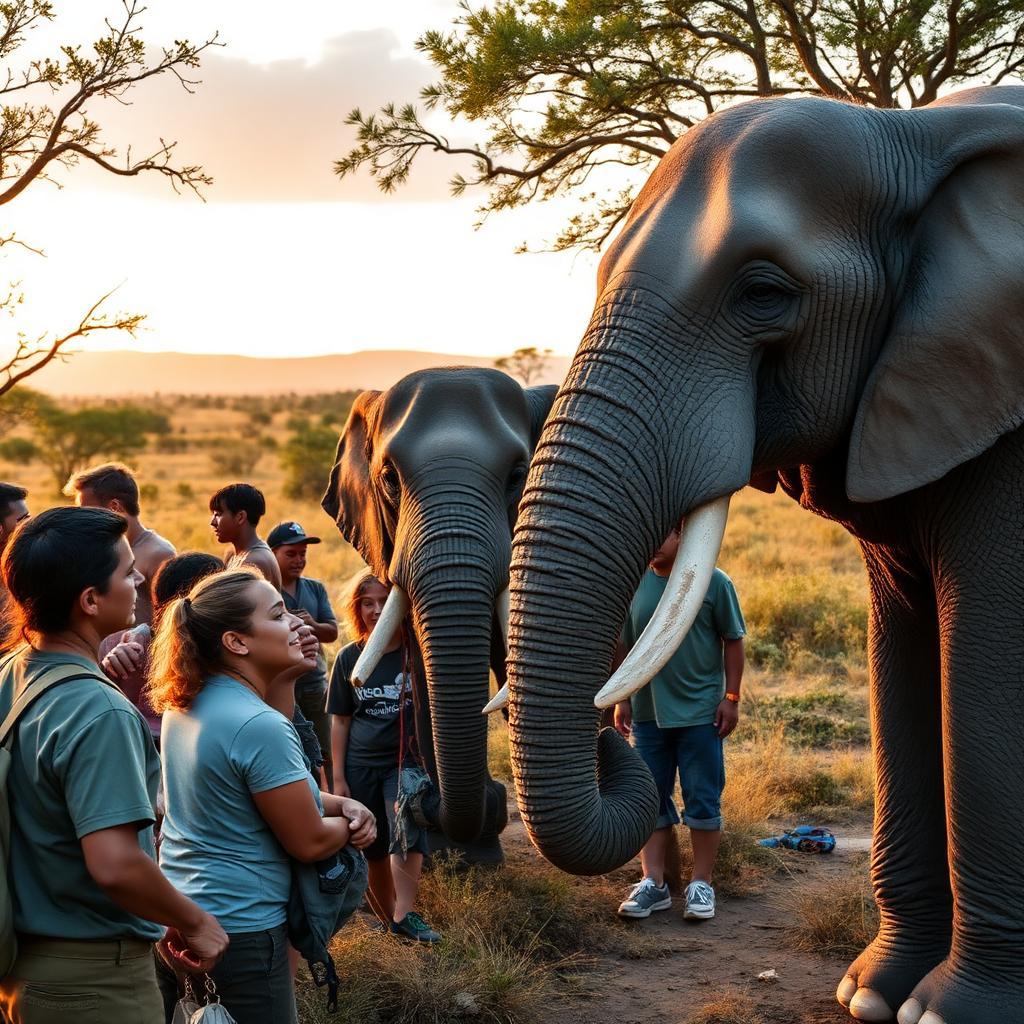
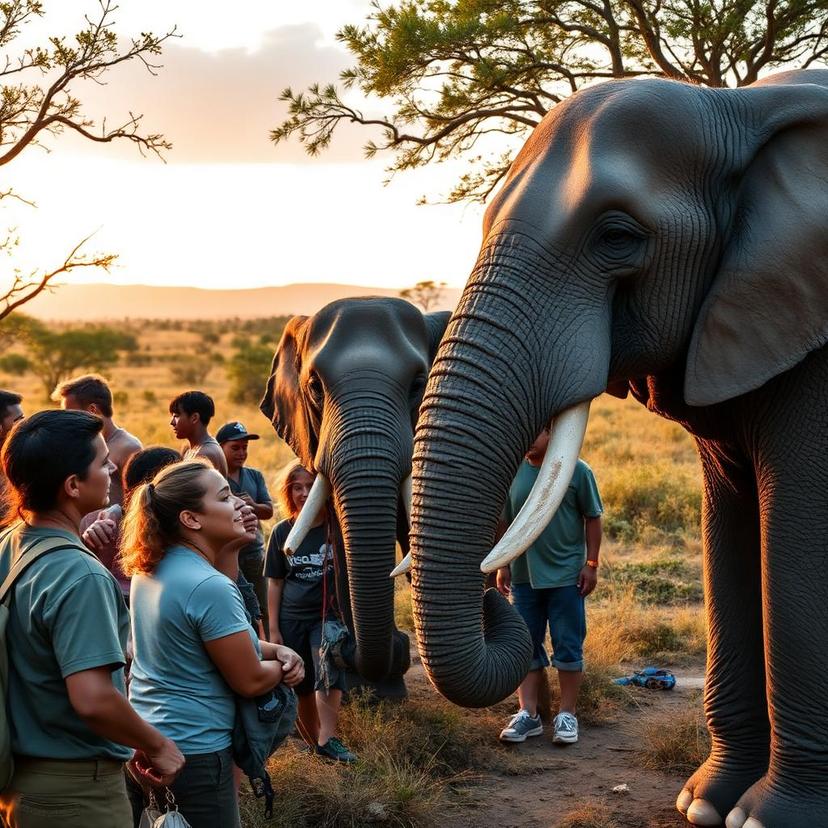
Elephant Sanctuaries (Thailand, Sri Lanka)
What to look for: No riding, no bathing with tourists, adequate space, rescue elephants only
Thailand: Several accredited sanctuaries in Chiang Mai area focus on retired logging and tourism elephants. Your work includes preparing food, maintaining enclosures, and observing behavior.
Sri Lanka: Elephant Transit Home model focuses on rehabilitation and release of orphaned wild elephants.
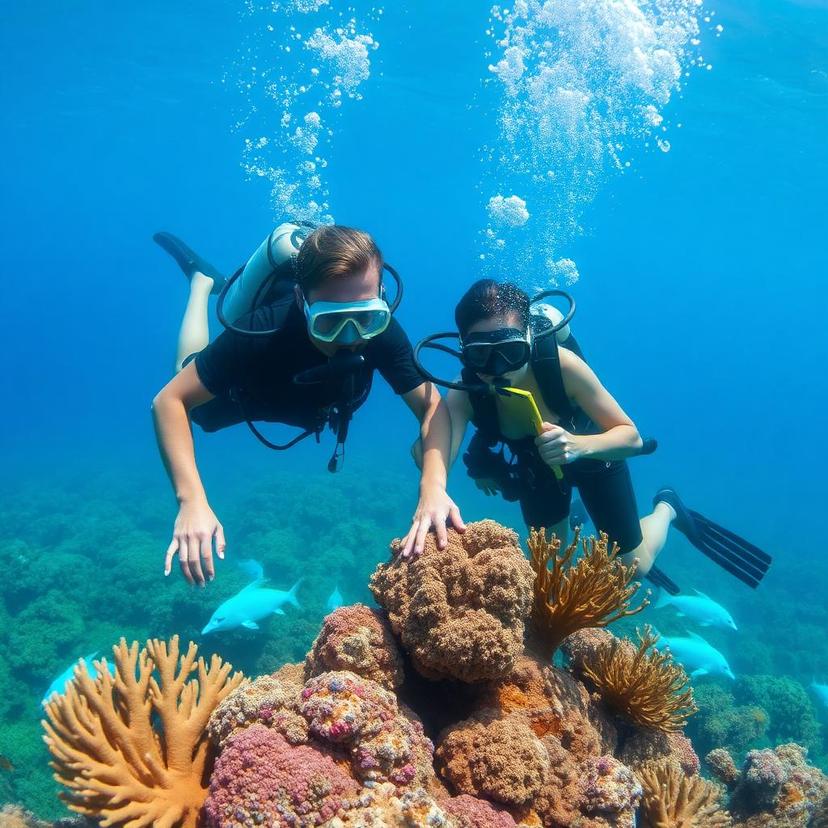
Marine Wildlife (South Africa, Costa Rica)
Sea Turtle Conservation in Costa Rica
Shark Research in South Africa
Primate Sanctuaries (Uganda, Indonesia)
Chimpanzee Sanctuaries in Uganda
Orangutan Rehabilitation in Indonesia
Wildlife Reserves (Kenya, South Africa)
Big Five Monitoring in Kenya
What You'll Actually Do
Genuine sanctuary volunteering is hard work — not a petting zoo. Expect:
Daily Tasks
What You Won't Do
Accreditation Bodies to Look For
When researching sanctuaries, check for accreditation from:
Questions to Ask Before Booking
6. What is the ratio of local staff to volunteers?
7. Can you provide references from recent volunteers?
The Elephant in the Room: Elephant Sanctuaries
Elephant tourism deserves special attention because it's the most popular — and most exploitative — form of animal volunteering.
Never Acceptable
Acceptable with Caveats
Conclusion
Animal sanctuary volunteering can be one of the most rewarding volunteer experiences — if you choose ethically. The extra research is worth it, because the wrong choice doesn't just waste your money and time; it actively harms the animals you intended to help.
Take time to verify accreditations, ask tough questions, and trust your gut. If something feels exploitative, it probably is.
Take our quiz to find ethical programs →
Interested in broader conservation work? Read our [Wildlife Conservation Volunteering Guide](/blog/wildlife-conservation-volunteering-guide).
Ready to Start Your Volunteer Journey?
Explore ethical programs in Kenya, Nepal, Thailand, and more.
View programs on our sister site, VolunteerToTheWorld.comEditorial team
Written and maintained by the Volunteer World Guide editorial team. Our editorial policy explains how we research, source and review what we publish.
Stay in the Loop
Get volunteer tips, destination guides, and opportunities delivered to your inbox.
You May Also Like
wildlife-conservation-south-africa

volunteer-abroad-scams-red-flags
teaching-english-africa-kenya-tanzania-uganda

Elephant Sanctuary Volunteering: The Ethical Guide to Helping Elephants
Disaster Relief Volunteering: How to Help During Emergencies
Wildlife Conservation Volunteering: Where Your Help Matters Most
Related Programs on VolunteerToTheWorld.com
Ready to take the next step? Explore programs related to this article on our sister site.