
If the idea of volunteering abroad excites you but the thought of constant group activities, shared dormitories, and mandatory icebreakers fills you with dread, you are not alone. A large share of the population identifies as introverted — estimates vary widely depending on how the trait is measured — yet most volunteer abroad programs are designed with extroverts in mind — group orientations, communal living, team projects, and social excursions.
But here is the truth that the volunteer industry often overlooks: introverts make exceptional volunteers. Your ability to listen deeply, observe carefully, work independently, and form meaningful one-on-one connections is exactly what many communities need. The key is finding programs that match your temperament rather than forcing you into an extroverted mold.
Why Introverts Thrive in Certain Volunteer Roles
Introversion is not shyness — it is about where you draw your energy. Introverts recharge through solitude and quiet reflection, while extroverts recharge through social interaction. This distinction matters enormously when choosing a volunteer program.
Deep focus work. Introverts excel at tasks requiring sustained concentration — data entry for conservation research, one-on-one tutoring, animal care routines, writing and documentation. These roles produce tangible outcomes and do not require constant social performance.
Observation and sensitivity. Introverts tend to notice things others miss — a child who is being excluded, an animal showing signs of distress, a community dynamic that is not working. This observational skill makes introverts invaluable in care-oriented and research roles.
Meaningful relationships. While extroverts might befriend everyone in the village, introverts tend to form fewer but deeper connections. These deep relationships often have more lasting impact than surface-level interactions with many people.
Written communication. Many volunteer programs need help with grant writing, blog posts, social media content, documentation, and reports. Introverts who are strong writers can contribute enormously without ever standing in front of a group.
Best Program Types for Introverts
Recommended Reading
Wildlife Conservation and Research
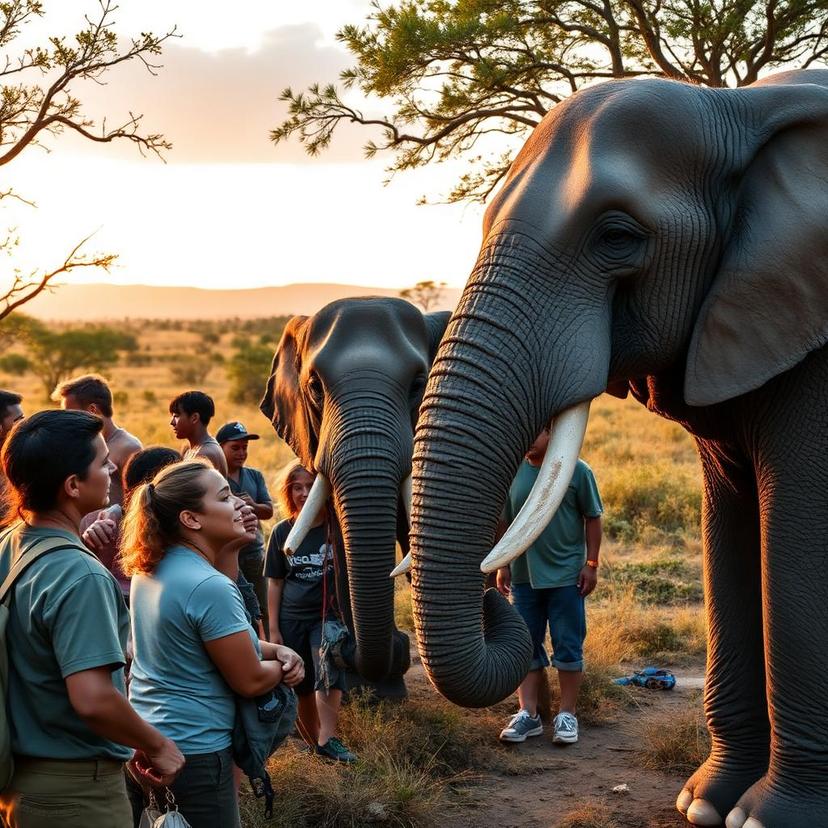
Conservation programs are perhaps the single best fit for introverts. Much of the work involves quiet, methodical tasks in natural settings: tracking animal movements, collecting water samples, monitoring nesting sites, maintaining trails, and recording data.
Programs like wildlife monitoring in Costa Rica, elephant conservation in Thailand, or marine research in the Maldives involve small teams working in nature with minimal social pressure. The focus is on the animals and the environment, not on group bonding exercises.
What to look for: Programs with small team sizes (2 to 6 volunteers), outdoor settings, data collection components, and minimal structured social activities.
Animal Care and Rehabilitation
Working at animal shelters, wildlife rehabilitation centers, or sanctuaries is deeply rewarding for introverts. The work is hands-on and repetitive in a comforting way — feeding, cleaning, socializing animals, assisting with medical care. Your primary companions are animals, not people, and the emotional connection you build with the creatures in your care can be profound.
Popular options include dog rescue programs in Romania, bear sanctuaries in Southeast Asia, sea turtle projects in Greece, and wildlife rehabilitation in South Africa.
What to look for: Programs where volunteers work individually or in pairs with animals rather than in large group settings.
One-on-One Tutoring and Mentoring
Rather than standing in front of a classroom of 30 children, one-on-one tutoring programs let you focus your energy on a single student or a small group. This format plays to introverted strengths: patience, active listening, and the ability to adapt to individual needs.
English tutoring programs in many Asian and Latin American countries offer one-on-one formats, as do literacy programs in Africa and homework help programs in Eastern Europe.
What to look for: Programs that explicitly offer one-on-one or small group formats rather than classroom teaching.
Behind-the-Scenes Organizational Support
Every volunteer organization needs help with tasks that happen away from the spotlight: database management, website updates, photography, accounting, inventory management, translation, and administrative support. These roles are essential but rarely advertised as volunteer positions.
If you have professional skills in any of these areas, ask organizations directly whether they need behind-the-scenes support. Many will gratefully accept.
Farming and Permaculture
Agricultural volunteering on organic farms, permaculture projects, or community gardens offers physical, outdoor work with minimal social demands. Programs like WWOOF (World Wide Opportunities on Organic Farms) often involve working alongside just one or two other people on a family farm.
The work is meditative — planting, weeding, harvesting, composting — and the rural settings provide natural solitude. Many farm hosts respect quiet and do not expect constant conversation.
Managing Your Social Energy Abroad
Even the most introvert-friendly program will involve some social interaction. Here are strategies for managing your energy:
Negotiate alone time. Before you arrive, communicate your needs to the program coordinator. Requesting a single room (even if it costs extra) is not antisocial — it is essential self-care for introverts. If single rooms are unavailable, ask about quiet hours or private spaces where you can decompress.
Build in daily recharge time. Block out at least one hour per day for solitude. Early mornings and late evenings are natural quiet times. Use this time for journaling, reading, walking, or simply sitting in silence.
Set social boundaries kindly. You do not need to attend every group dinner, excursion, or social event. A simple "I'm going to take some quiet time tonight" is sufficient. Most people understand and respect the boundary once it is set.
Use the buddy system. Find one or two people you connect with and invest in those relationships rather than trying to maintain surface-level friendships with the entire group. Quality over quantity applies to volunteer friendships too.
Choose your communication style. If group discussions drain you, offer to contribute in writing instead — send follow-up emails, write reports, or share thoughts in a shared document.
Choosing Solo-Friendly Programs
Some programs are structurally better for introverts than others. Here is what to evaluate:
Group size. Programs with 2 to 8 volunteers are far more manageable than programs with 20 to 50. Smaller groups naturally create less social pressure and more opportunity for meaningful individual connections.
Living arrangements. Programs offering private rooms, small shared apartments, or homestays with private bedrooms are preferable to dormitory-style accommodation with bunk beds and communal spaces.
Schedule flexibility. Programs with rigid schedules that fill every waking hour with activities leave no room for recharging. Look for programs that provide structured work time but leave evenings and weekends free.
Program length. Paradoxically, longer programs can be easier for introverts. In a one-week program, there is pressure to bond quickly and make the most of every moment. In a month-long program, relationships develop naturally and there is less urgency.
Quiet Destinations for Introverted Volunteers
Some destinations are culturally and environmentally more suited to introverted volunteers:
Self-Care Essentials for Introverted Volunteers
Pack items that support your recharge routine:
The Bottom Line
Being an introvert does not mean volunteering abroad is not for you — it means you need to be more intentional about choosing the right program. The world needs your quiet strength, your deep attention, and your thoughtful presence just as much as it needs the gregarious energy of extroverts. Find a program that honors your temperament, set boundaries that protect your energy, and trust that your quiet contribution is making a meaningful difference.
Ready to Start Your Volunteer Journey?
Explore ethical programs in Kenya, Nepal, Thailand, and more.
View programs on our sister site, VolunteerToTheWorld.comEditorial team
Written and maintained by the Volunteer World Guide editorial team. Our editorial policy explains how we research, source and review what we publish.
Stay in the Loop
Get volunteer tips, destination guides, and opportunities delivered to your inbox.
You May Also Like


Related Programs on VolunteerToTheWorld.com
Ready to take the next step? Explore programs related to this article on our sister site.