Solo Male Volunteering Abroad — Safety Tips & Program Recommendations
While solo female volunteering gets the spotlight, men face unique challenges too. Practical advice for solo male volunteers heading abroad.
Volunteer World Guide Editorial TeamMarch 7, 20269 min read
Solo female travel safety gets significant attention — and rightfully so. But solo male volunteers face their own set of challenges that rarely make the headlines. From cultural expectations and safety risks to isolation and mental health, this guide provides practical, honest advice for men volunteering abroad alone.
Unique Challenges for Solo Male Volunteers
Cultural Expectations and Perceptions
In many cultures, a young man traveling alone to "help" raises questions that a group or a female volunteer might not face:
Suspicion of motives — In some communities, particularly those with child-focused programs, a solo male volunteer may face extra scrutiny. This isn't unfair — it reflects genuine safeguarding concerns — but it can feel isolating.
Perceived authority — In patriarchal societies, male volunteers may be automatically deferred to, even when they have less experience than female colleagues or local staff. Resist this. Follow the lead of those who know the community.
Physical labor expectations — You may be expected to do heavy lifting, construction, or other physically demanding tasks regardless of your actual skills or the reason you signed up.
Social drinking pressure — In many cultures, male bonding involves alcohol. This can be challenging if you don't drink or are trying to maintain professional boundaries.
While women face higher risks of sexual harassment and assault, men face elevated risks of:
Physical violence and robbery — Men are statistically more likely to be victims of violent crime abroad, partly because they're perceived as carrying more money and are less likely to appear cautious
Scams and con artists — Solo male travelers are frequently targeted for drink-spiking scams, distraction theft, and fake-police shakedowns
Altercations — Cultural misunderstandings, perceived disrespect, or unwanted attention to local women can escalate faster for men
Risky behavior — Men traveling alone are statistically more likely to take risks: riding motorbikes without helmets, swimming in dangerous conditions, or walking alone at night
The Isolation Factor
This is perhaps the least discussed challenge. Male volunteers often experience:
Reluctance to seek help — Social conditioning makes many men reluctant to admit when they're struggling, lonely, or overwhelmed
Fewer emotional support networks — While female volunteers tend to build close emotional bonds with fellow volunteers quickly, men often find this harder
Less pre-departure support content — Most volunteering safety guides are written for women. Men may feel their concerns don't warrant attention.
Safety Tips for Solo Male Volunteers
Before You Go
Research your destination's specific risks — What are the common crimes targeting tourists? What areas should you avoid after dark?
Register with your embassy — The STEP program (US), FCDO registration (UK), or equivalent ensures your government knows where you are in an emergency
Get comprehensive travel insurance — Including medical evacuation, trip cancellation, and personal liability
Share your itinerary — Give a trusted person at home your full travel plan, accommodation addresses, and emergency contacts
Learn basic self-defense awareness — Not fighting techniques, but situational awareness and de-escalation skills
While Volunteering
Don't flash wealth — Leave expensive watches, jewelry, and electronics in your accommodation. Carry a decoy wallet with small cash.
Be cautious with alcohol — Drink spiking happens to men too. Never leave your drink unattended. Know your limits in unfamiliar environments.
Avoid walking alone at night — This advice isn't just for women. Take taxis, use rideshare apps, or walk with others.
Respect local gender norms — In conservative cultures, avoid prolonged eye contact or physical contact with women. Ask local staff about appropriate behavior.
Be extra careful with children — Never be alone with children in your program. Keep doors open, stay in public view, and follow all safeguarding protocols scrupulously. This protects both the children and you from false accusations.
6. Trust your instincts — If a situation feels wrong, leave. The social pressure to seem brave or unbothered gets men into dangerous situations.
Choosing the Right Program
What to Look For
Mixed-gender volunteer groups — Having both male and female volunteers creates a more balanced social environment
Strong in-country support — A local coordinator you can call anytime, not just a distant head office
Clear safeguarding policies — Programs that take child protection seriously will have protocols that protect both children and volunteers
Structured free time activities — Programs that organize weekend trips and social events help combat isolation
Previous male volunteer reviews — Seek out reviews specifically from solo male volunteers about their experience
Program Types That Work Well for Solo Men
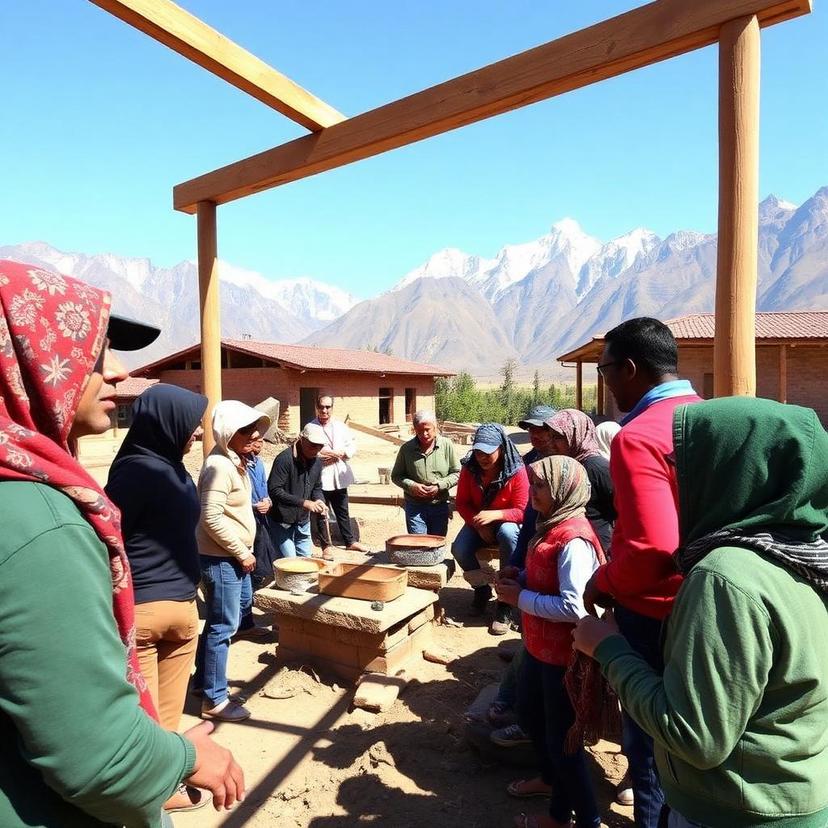
Construction and infrastructure — Physical, team-oriented work that builds camaraderie naturally
Sports coaching — Teaching football, basketball, or swimming creates strong community bonds
Conservation and wildlife — Outdoor, active work with fellow volunteers
Tech and IT — Skills-based programs where your contribution is clearly valued
Community development — Programs that integrate you into the daily life of a community
Building Community Abroad
Loneliness is the quiet killer of volunteer experiences. Proactively build your social network:
Say yes to invitations — When colleagues or locals invite you to meals, events, or outings, go. These are how real connections form.
Learn the local language — Even basic phrases dramatically change how people relate to you. Take lessons, use language apps, practice constantly.
Join local activities — Play football with locals, attend community events, visit markets. Shared activities build bonds faster than conversation.
Stay connected with home — Regular video calls with family and friends prevent the isolation spiral. Schedule them so they're a fixture, not an afterthought.
Connect with other volunteers — If your program has other volunteers, invest in those relationships. Shared adversity creates strong bonds.
Mental Health for Solo Male Volunteers
Recognize the Signs
Culture shock, loneliness, and the emotional weight of working in challenging environments affect everyone. Watch for:
Persistent irritability or anger
Withdrawal from activities and people
Sleep problems (too much or too little)
Increased alcohol consumption
Feeling numb or disconnected
Loss of motivation for the work you came to do
What to Do
Talk to someone — A fellow volunteer, your program coordinator, a friend at home. Breaking the silence is the hardest and most important step.
Maintain routines — Exercise, journaling, meditation, or whatever grounds you at home. Keep doing it abroad.
Set boundaries — It's okay to take a day off. It's okay to skip a social event. It's okay to need time alone and to need company.
Use professional support — Many organizations offer access to counseling. Online therapy platforms (BetterHelp, Talkspace) work internationally. Use them without shame.
The Bottom Line
Solo male volunteering abroad is deeply rewarding — and it comes with challenges that deserve honest attention. Your safety, your mental health, and your social needs matter. Plan for them as seriously as you plan your flights and vaccinations. The best volunteer experiences happen when you take care of yourself well enough to take care of others.
Ready to Start Your Volunteer Journey?
Explore ethical programs in Kenya, Nepal, Thailand, and more.