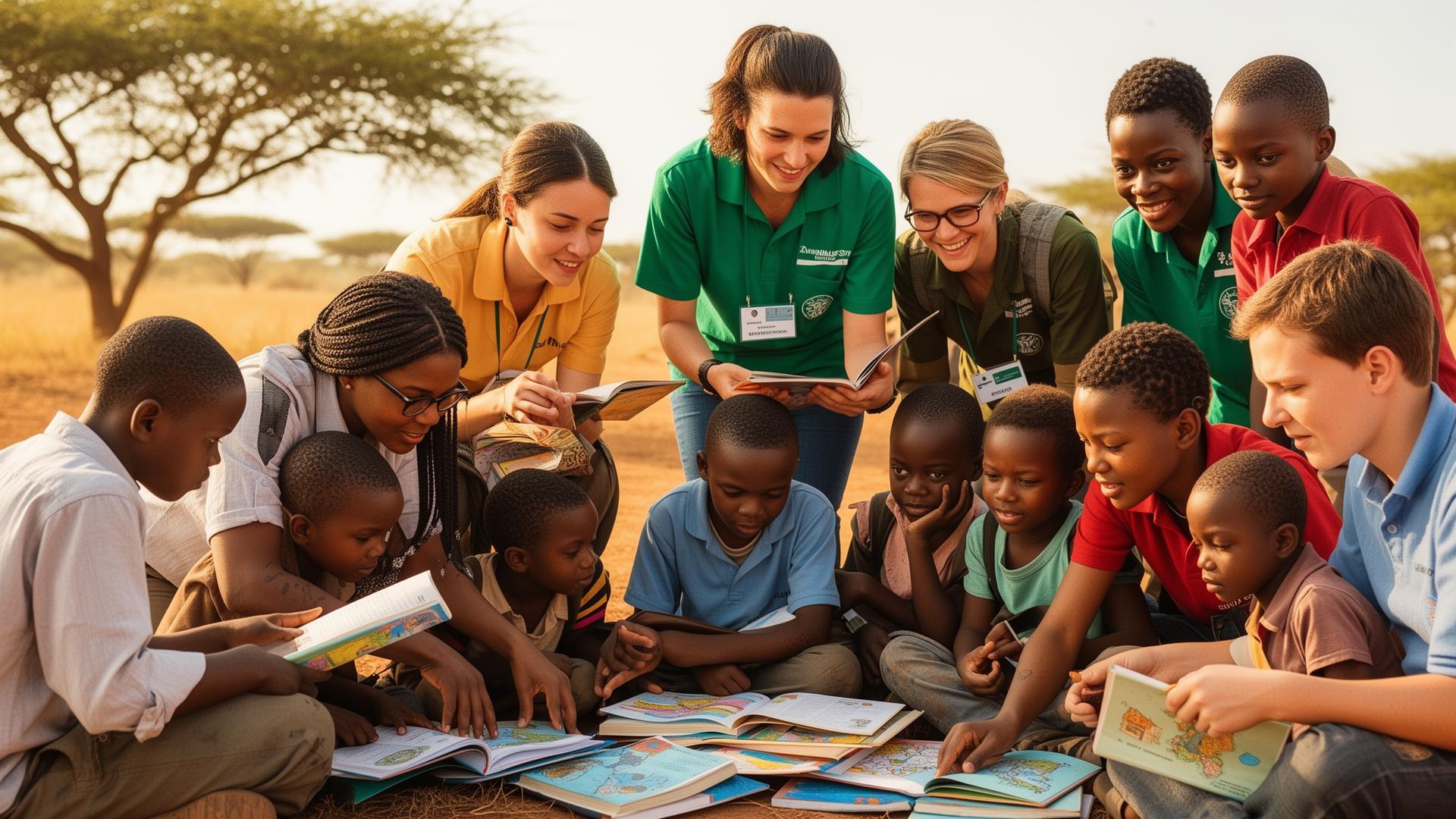
The category at risk of doing harm
Refugee-aid volunteering sits between "potentially high-impact" and "potentially harmful" depending entirely on program design. The new /programs/refugee-aid page leads with the harm framing because we've seen too many well-meaning programs send untrained foreign volunteers into roles they shouldn't be in.
The five questions in this article are non-negotiables before signing up.
Question 1: Are you delivering legal advice or legal information?
There's a sharp line between legal information (publicly-available facts about the asylum process) and legal advice (case-specific recommendations).
Foreign volunteers without licensure cannot ethically provide legal advice on asylum applications, even if they have a JD from their home country. Volunteers can:
Volunteers should not:
Ask the program: "What's the scope of legal-related work for volunteers and who is the supervising attorney?"
Recommended Reading
Question 2: What languages are required, and what's the protocol if I'm not fluent?
Refugee work is communication-heavy. If you don't share a language with the refugees you're working with, the program needs a clear interpretation protocol — paid local interpreters, never another refugee being asked to interpret for trauma material, clear written protocols for sensitive conversations.
Ask: "What languages are spoken by the refugee community I'd be working with? What's the interpretation arrangement? Are there professional interpreters on staff?"
A program that says "you'll pick up the language" is not appropriate for refugee-aid work.
Question 3: What trauma-informed care training is required pre-arrival?
Refugees by definition have experienced displacement. Many have experienced violence, family separation, persecution, prolonged uncertainty. Working with people carrying that history without basic trauma-informed care (TIP) awareness can re-traumatise.
Required pre-arrival prep at minimum:
Ask: "What pre-arrival training is required? Can you send me the training materials?"
Question 4: What's your safeguarding policy and how is it enforced?
Children in refugee populations are at heightened risk. A program working with refugee children must have:
We list our position on child safeguarding clearly. Refugee-aid programs working with children should match or exceed it.
Ask: "Can I see your child safeguarding policy and the volunteer code of conduct?"
Question 5: What happens to the relationship when I leave?
Continuity of relationship matters in refugee-aid work. A 4-week volunteer who builds rapport with refugee families and then leaves can do real damage — especially with children who have already experienced loss.
Ethical programs have specific protocols:
Ask: "What's the minimum placement length for direct-contact roles and how do you manage volunteer transitions?"
When the program can't answer
If the program can't answer one or more of these in writing, walk away. There are programs that can.
We list refugee-aid program data we've verified at /programs/refugee-aid — three destinations have documented programs (Jordan, South Africa, Romania with the caveat about Roma displacement). Others are honest placeholders pointing to UNHCR's volunteer-finder.
Ready to Start Your Volunteer Journey?
Explore ethical programs in Kenya, Nepal, Thailand, and more.
View programs on our sister site, VolunteerToTheWorld.comEditorial team
Written and maintained by the Volunteer World Guide editorial team. Our editorial policy explains how we research, source and review what we publish.
Stay in the Loop
Get volunteer tips, destination guides, and opportunities delivered to your inbox.
You May Also Like

Related Programs on VolunteerToTheWorld.com
Ready to take the next step? Explore programs related to this article on our sister site.