
Introduction
You spent weeks or months immersed in a different culture, doing meaningful work, building deep connections—and now you're back home. The supermarket feels overwhelming. Your friends' complaints feel trivial. You miss the simplicity and purpose of your volunteer life.
Welcome to re-entry. It's normal, it's temporary, and there are proven strategies to navigate it.
What Is Re-Entry Shock?
Re-entry shock (also called reverse culture shock) is the disorientation experienced when returning to your home culture after an extended time abroad. It often catches people off guard because they expect coming home to feel comfortable and familiar.
Recommended Reading
Common Symptoms
Almost every returning volunteer experiences some form of re-entry shock. The depth of the experience you had abroad is directly proportional to the adjustment you'll need at home.
The Re-Entry Timeline
Week 1-2: The Honeymoon
You're happy to be home. Hot showers feel incredible. You eat your favorite foods. You see friends and family.
Week 3-6: The Crash
The initial excitement fades. Routine feels meaningless compared to your volunteer work. You feel disconnected from people who don't understand your experience.
Month 2-4: Gradual Adjustment
You begin integrating your experience into your daily life. You find new ways to stay connected to your cause. The intensity of the contrast fades.
Month 4+: Integration
Your volunteer experience becomes part of who you are—informing your decisions, relationships, and worldview—without dominating every conversation.
Strategies for Healthy Re-Entry
Before You Leave Your Placement
Start processing before you get home:
The First Weeks Home
Building New Routines
When to Seek Help
If re-entry symptoms persist beyond a few months or significantly interfere with your daily life, consider:
Processing Your Experience
Reflective Exercises
Try these to make sense of your journey:
Sharing with Others
Tips for talking about your experience:
Staying Connected
To Your Host Community
To the Volunteer Community
Connect with returned volunteer communities at volunteertotheworld.com →
Conclusion
Re-entry is not a problem to solve—it's a transition to navigate. The discomfort you feel is evidence that your experience changed you, and that's exactly what meaningful volunteering should do.
Be patient with yourself, stay connected to your cause, and trust that the person you became abroad is still the person you are at home. You just need time to integrate.
For more on post-volunteer life, read about [Reverse Culture Shock](/blog/reverse-culture-shock-coming-home) and [How to Turn Your Volunteer Experience into Career Opportunities](/blog/volunteer-experience-career-opportunities).
Ready to Start Your Volunteer Journey?
Explore ethical programs in Kenya, Nepal, Thailand, and more.
View programs on our sister site, VolunteerToTheWorld.comEditorial team
Written and maintained by the Volunteer World Guide editorial team. Our editorial policy explains how we research, source and review what we publish.
Stay in the Loop
Get volunteer tips, destination guides, and opportunities delivered to your inbox.
You May Also Like

reverse-culture-shock-coming-home

volunteer-experience-career-opportunities
How to Stay Connected with Home While Volunteering Abroad
Volunteering as a Couple: Strengthening Your Relationship While Giving Back
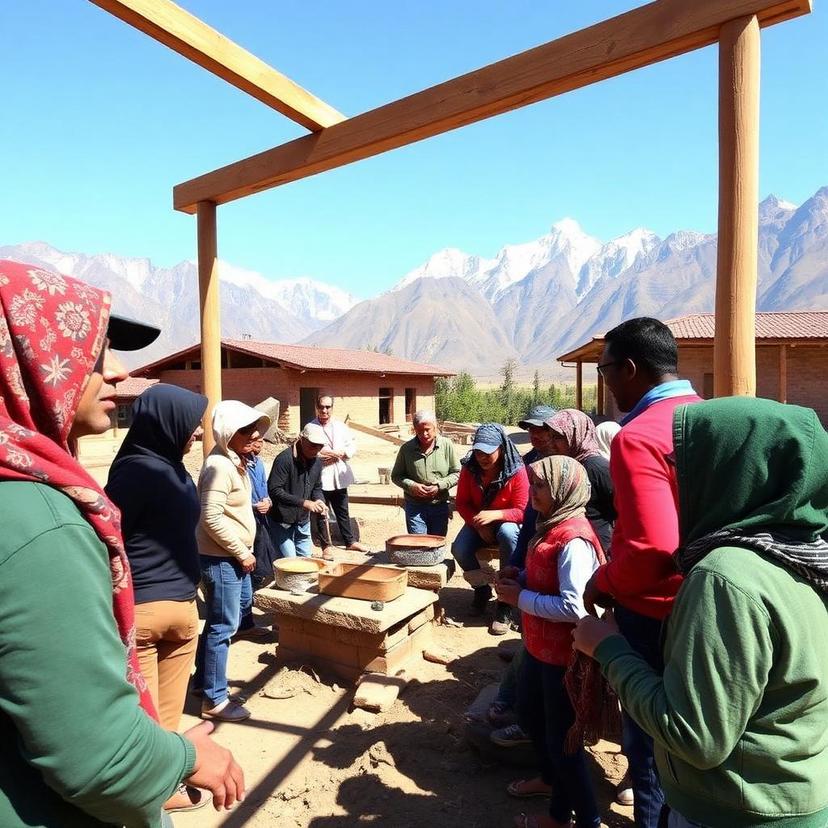
Post-Trip Re-Entry: How to Process Your Volunteer Experience
Digital Nomad Volunteering: Work Remotely While Giving Back
Related Programs on VolunteerToTheWorld.com
Ready to take the next step? Explore programs related to this article on our sister site.