    Early Bird 2026: Book before March 31 — 15% off your placement fee!Explore programs →

    Community Development in Central America: Guatemala & Costa Rica
    Destinations

    Community Development in Central America: Guatemala & Costa Rica

    Discover impactful community programs combining construction, sustainable agriculture, and cultural immersion.

    James OkonkwoJames OkonkwoNovember 28, 20257 min read

    Introduction

    Central America offers some of the most diverse community development volunteering opportunities in the world. Guatemala and Costa Rica, while neighbors, provide distinctly different experiences—from Guatemala's indigenous Mayan communities to Costa Rica's eco-focused sustainable development initiatives.

    This guide explores how you can contribute to meaningful community projects while immersing yourself in the rich cultures of these beautiful countries.

    Guatemala: Indigenous Community Focus

    Why Guatemala

    Guatemala offers profound cultural immersion:

  1. Living Mayan culture: One of the world's oldest continuous civilizations
  2. Community-driven development: Indigenous communities leading their own progress
  3. Language immersion: Spanish with Mayan language exposure
  4. Affordable living: Stretch your volunteer budget further
  5. Types of Programs

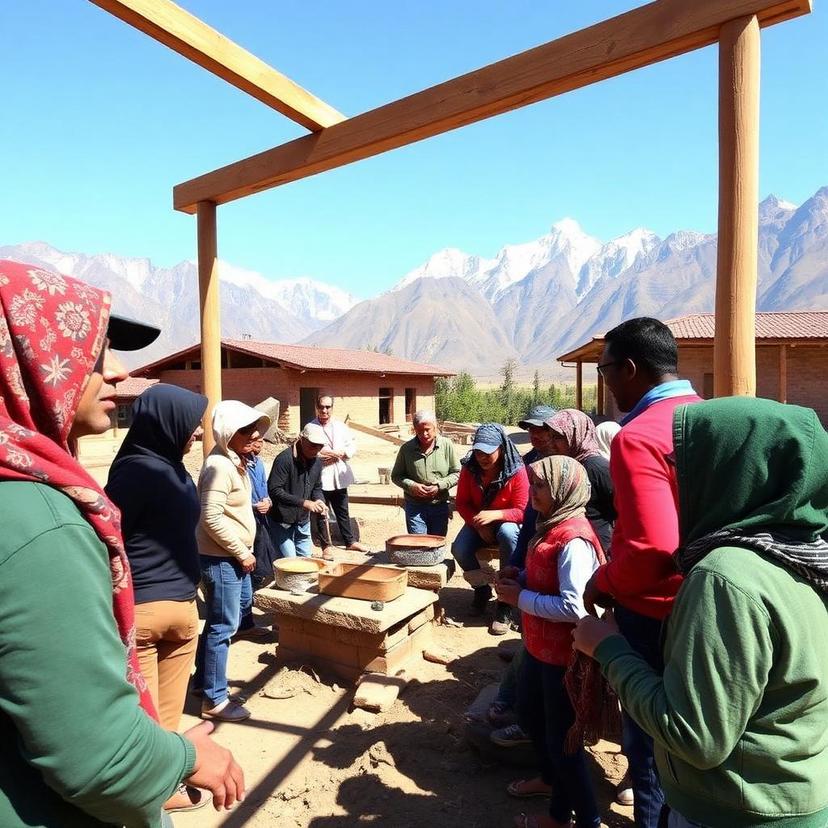
    Construction and Infrastructure

  6. School and community center building
  7. Water and sanitation projects
  8. Solar panel installation
  9. Eco-friendly building techniques
  10. Sustainable Agriculture

  11. Permaculture garden development
  12. Organic farming training
  13. Coffee cooperative support
  14. Food security initiatives
  15. Education and Empowerment

  16. Women's skills training programs
  17. Youth leadership development
  18. Indigenous language preservation
  19. Computer literacy training
  20. "Working alongside the community, not for them, taught me more about development than any textbook could." — Past Volunteer, Lake Atitlán

    Best Destinations

  21. Lake Atitlán: Stunning highland setting with multiple indigenous communities
  22. Antigua: Colonial city with excellent Spanish schools and nearby projects
  23. Quetzaltenango (Xela): Less touristy base for rural community work
  24. Petén: Rainforest region combining conservation and community development
  25. Cost Considerations

    Guatemala is one of the most affordable volunteer destinations:

  26. Program fees are generally lower than Costa Rica
  27. Living costs are among the lowest in Central America
  28. Spanish immersion programs are excellent value
  29. Budget of $300-500/month for personal spending
  30. Costa Rica: Eco-Development Focus

    Why Costa Rica

    Costa Rica leads in sustainable development:

  31. Environmental leadership: Over 25% of land is protected
  32. Biodiversity hotspot: 5% of the world's species in 0.03% of the land
  33. Stable infrastructure: Reliable healthcare, transport, and safety
  34. Eco-tourism model: Successful integration of conservation and tourism
  35. Types of Programs

    Environmental Conservation

  36. Reforestation and habitat restoration
  37. Sea turtle nesting protection (seasonal)
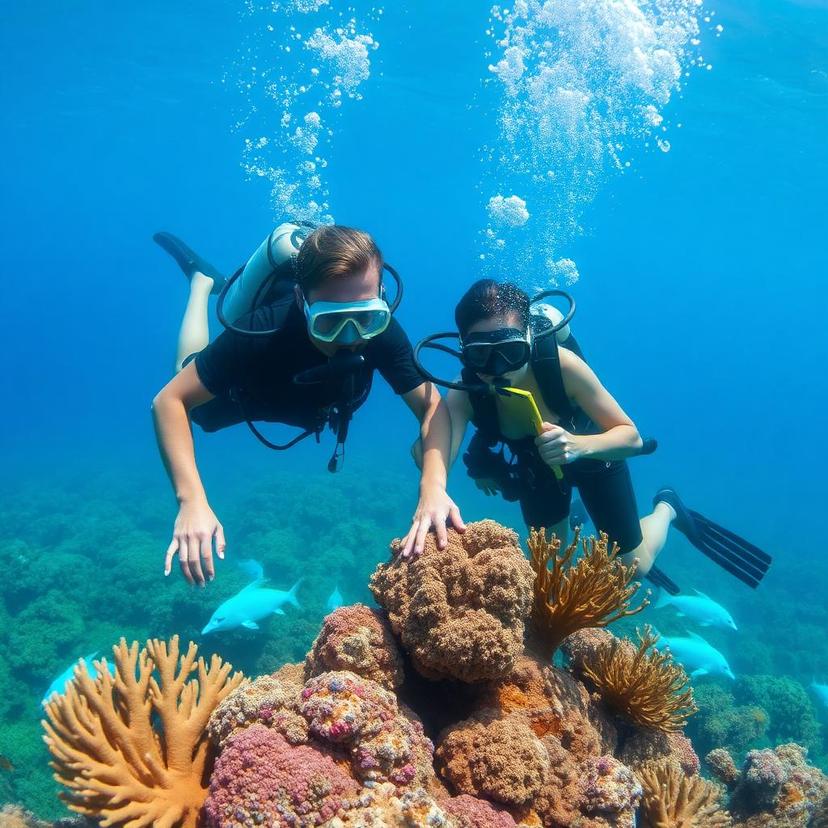
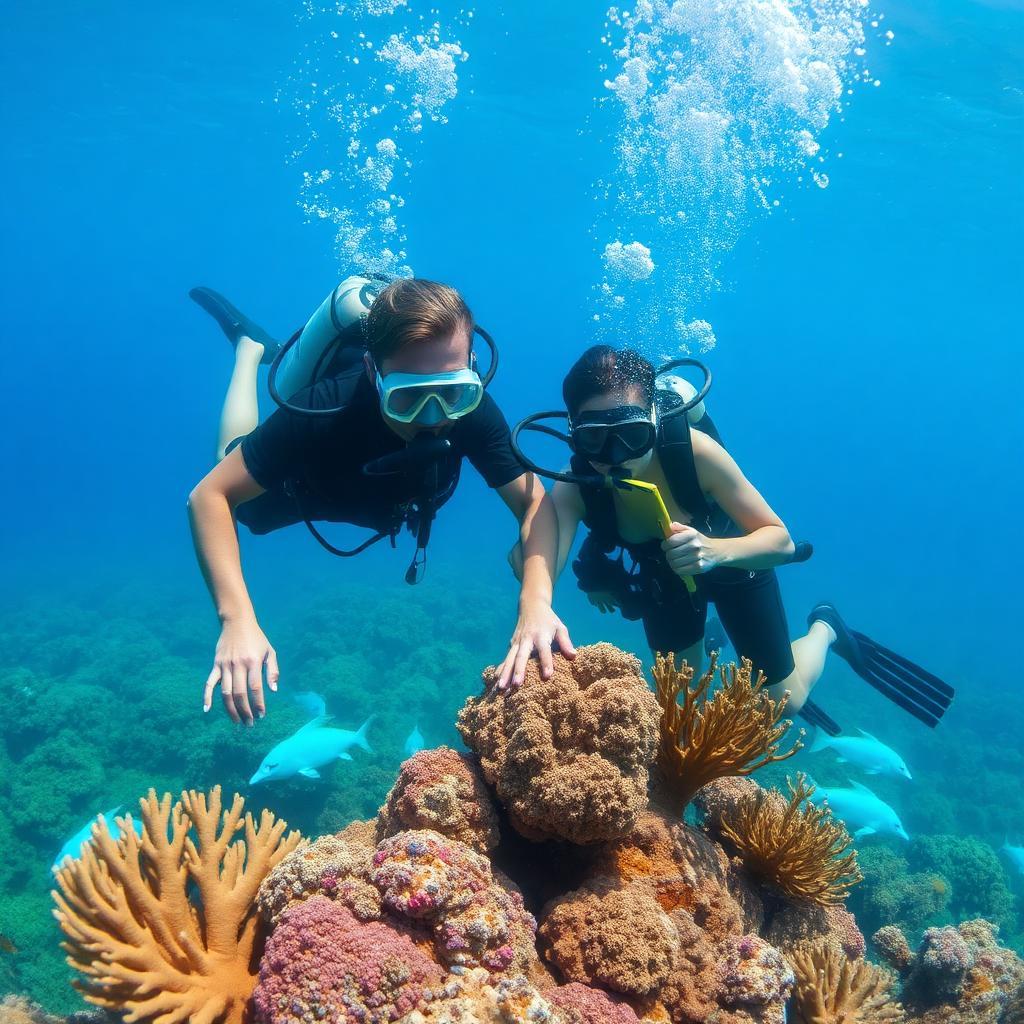
  38. Marine conservation projects
  39. Sustainable agriculture and permaculture
  40. Community Development

  41. English teaching in rural schools
  42. Environmental education programs
  43. After-school youth programs
  44. Special needs support
  45. Best Destinations

  46. Puerto Viejo (Caribbean Coast): Marine conservation and cultural diversity
  47. Tortuguero: Sea turtle conservation programs
  48. Monteverde: Cloud forest conservation and community projects
  49. Guanacaste: Rural community development and reforestation
  50. Cost Considerations

    Costa Rica is more expensive than Guatemala:

  51. Higher program fees reflect better infrastructure
  52. Living costs 50-100% higher than Guatemala
  53. More developed tourism means more travel options
  54. Quality healthcare access throughout the country
  55. Spanish Immersion Opportunities

    Guatemala Spanish Schools

    Guatemala is famous for one-on-one Spanish instruction:

  56. Cost: $150-200/week including homestay
  57. Style: Individual instruction for rapid learning
  58. Integration: Often combined with volunteer work
  59. Recommended: Antigua and Xela are top destinations
  60. Costa Rica Language Learning

  61. Higher costs but quality programs available
  62. Group classes more common
  63. Beach and jungle settings available
  64. More opportunities for English-Spanish exchange
  65. Language Tips

  66. Basic Spanish significantly improves your experience
  67. Start learning before arrival (apps, classes, tutors)
  68. Homestays accelerate language learning
  69. Don't be afraid to make mistakes—locals appreciate effort
  70. Physical Expectations

    Construction Projects

    Prepare for physically demanding work:

  71. Working in heat and humidity
  72. Manual labor (mixing cement, carrying materials)
  73. 6-8 hour work days
  74. Basic accommodations at work sites
  75. Agricultural Work

    Expect outdoor physical activity:

  76. Working in fields and gardens
  77. Carrying tools and harvest
  78. Early morning starts to avoid heat
  79. Learning traditional techniques
  80. Making Sustainable Impact

    Focus on Capacity Building

    The best programs:

  81. Train local community members to continue work
  82. Support community-identified priorities
  83. Build local leadership rather than dependency
  84. Measure long-term outcomes, not just outputs
  85. Avoid Common Pitfalls

  86. Don't impose your own ideas of what communities need
  87. Recognize that local expertise is invaluable
  88. Understand that sustainable change takes time
  89. Remember you're there to support, not to save
  90. Choosing Between Guatemala and Costa Rica

    Choose Guatemala if you:

  91. Want deeper cultural immersion with indigenous communities
  92. Have limited budget but want extended time
  93. Are interested in Spanish language learning
  94. Want to work on community-led development
  95. Choose Costa Rica if you:

  96. Prefer more developed infrastructure and safety
  97. Are interested in environmental conservation
  98. Want easier integration of travel and volunteering
  99. Are comfortable with higher costs for more amenities
  100. Practical Tips

    What to Pack

  101. Sturdy work boots (steel-toed for construction)
  102. Work gloves
  103. Quick-dry clothing
  104. Rain gear (essential in rainy season)
  105. Sunscreen and insect repellent
  106. Health Precautions

  107. Stay current on routine vaccinations
  108. Consider Hepatitis A/B and Typhoid vaccines
  109. Bring personal first aid kit
  110. Know locations of healthcare facilities
  111. Conclusion

    Central America offers transformative community development experiences that combine meaningful work, cultural immersion, and adventure. Whether you choose Guatemala's indigenous community focus or Costa Rica's eco-development approach, you'll find opportunities to contribute while learning from communities that have much to teach.

    The key is approaching your experience with humility, flexibility, and a commitment to supporting community-driven change rather than imposing external solutions.

    Ready to explore Central America? Find community development programs at volunteertotheworld.com.

    Ready to Start Your Volunteer Journey?

    Explore ethical programs in Kenya, Nepal, Thailand, and more.

    View Programs on VolunteerToTheWorld.com
    James Okonkwo
    James Okonkwo

    Head of Partnerships

    Former teacher with 10+ years coordinating education programs across East Africa.

    Share this article:

    Related Programs on VolunteerToTheWorld.com

    Ready to take the next step? Explore verified programs related to this article.