Teaching
How Teaching in Kenya Changed My Career Path
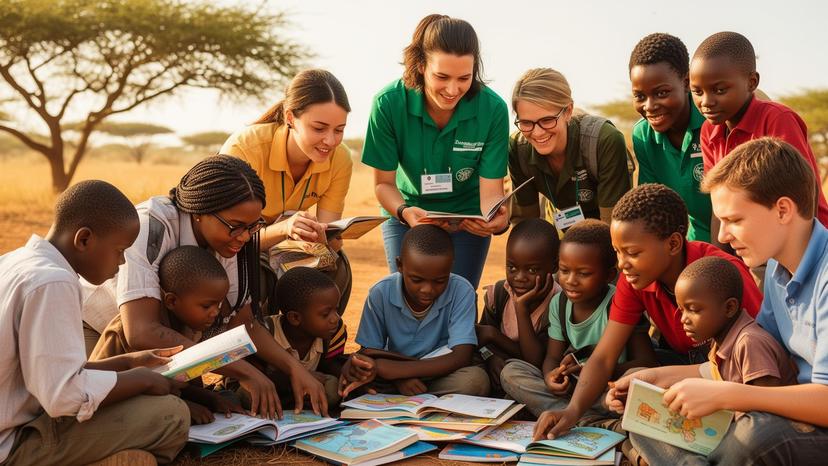
"Sarah spent three months teaching at Ombogu Primary School and returned home with a new purpose in life."
Sarah Mitchell
🌍 Summer 2026 Programs Now Open! Secure your spot on a life-changing volunteer program — Limited spots — limited spaces available!Explore programs →
"How sustainable farming volunteering transformed my career and worldview after fifteen years in industrial agriculture."
For fifteen years, I managed operations at one of the largest agribusiness corporations in the American Midwest. I oversaw thousands of acres of monoculture corn and soy, managed chemical input schedules, and optimized yields with the precision of a factory line. I was good at my job — promotions came regularly, the salary was excellent, and I told myself that feeding the world justified the environmental costs I tried not to think about. Then my daughter, who was studying environmental science at university, came home for Thanksgiving and asked me a question I couldn't answer: 'Dad, do you actually believe in what you do?' The silence that followed lasted about six months, during which I quietly researched alternatives to everything I'd built my career on. That research led me to a permaculture farm in Ecuador's Intag Valley.
The Intag Valley is a cloud forest region northwest of Quito, one of the most biodiverse places on Earth and a frontline in the battle between extractive industry and sustainable alternatives. The farm where I volunteered had been converted from conventional cattle ranching to a diversified permaculture system over fifteen years. They grew coffee, cacao, tropical fruits, vegetables, and medicinal plants in integrated polyculture systems that mimicked the natural forest. After years of managing sterile monoculture fields sprayed with glyphosate, walking into this lush, buzzing, chaotic abundance was like stepping onto another planet. Every square meter was alive with purpose — plants supporting each other, insects pollinating, fungi networking beneath the soil. It was the opposite of everything I'd been trained to create.
My daily routine was physical and humbling. We rose with the sun at 5:30 AM and began with farm chores — feeding chickens, milking the two dairy cows, and checking the composting systems. Mid-morning was dedicated to the primary projects: building new garden beds using the hugelkultur method (burying logs under soil to create self-watering raised beds), maintaining the coffee terraces, and tending the cacao nursery. Afternoons involved workshops on permaculture design principles, soil biology, water management, and agroforestry. The farm's founder, Don Miguel, was a former agronomist who'd had his own crisis of conscience decades earlier. He taught with the patience of someone who understood that unlearning is harder than learning. I filled three notebooks in two months.
The biggest challenge was confronting my own expertise. Everything I knew about agriculture was built on the premise that nature is a problem to be controlled — pests to be eliminated, soil to be amended, yields to be maximized through chemical intervention. Permaculture inverts that logic entirely: work with nature, not against it. The cognitive dissonance was excruciating. I'd catch myself suggesting herbicides for a weed problem, only to watch Don Miguel demonstrate how that same weed was fixing nitrogen in the soil and attracting beneficial predatory insects. 'In nature, there are no weeds,' he told me. 'Only plants whose purpose you haven't understood yet.' Fifteen years of industrial training doesn't dissolve overnight, and there were days when I felt like a fraud — too corporate for the permaculture world, too changed to go back to agribusiness.
The transformative moment came five weeks in, during a soil comparison exercise. Don Miguel and I dug soil samples from his permaculture plots and from a neighboring conventional farm. The difference was visible and shocking. His soil was dark, rich, teeming with earthworms and mycelium — alive in every sense. The conventional sample was pale, compacted, and essentially lifeless. I'd managed soil like that second sample for fifteen years. I held the two samples in my hands and felt the full weight of what industrial agriculture does to the earth. That night, I wrote my resignation letter. I didn't send it immediately — I'm not impulsive by nature — but I knew the decision was made. The soil had spoken more clearly than any quarterly report ever could.
The community around the Intag Valley farm became unexpectedly important to me. The neighboring families — smallholder farmers who'd resisted mining companies and embraced sustainable agriculture as both livelihood and resistance — welcomed me with warmth that I hadn't earned. Rosa, who ran the local women's coffee cooperative, taught me to cup coffee and showed me how fair-trade premiums had funded the village school. Her husband, Jaime, took me hiking through primary cloud forest and explained the water cycle that connected the mountains to the farms below. The other volunteers included a young couple from Germany, a retired professor from Japan, and a twenty-year-old gap-year student from New Zealand who asked better questions than I did. We cooked together, debated agricultural philosophy over Ecuadorian chocolate, and formed bonds rooted in shared transformation.
I returned to the Midwest and submitted my resignation the following Monday. The reaction from colleagues ranged from confusion to concern — some thought I was having a breakdown. Maybe I was, but it was the productive kind. I used my savings to purchase twelve acres of degraded farmland near my hometown and spent the next year converting it to a permaculture demonstration farm using the techniques I'd learned in Ecuador. Today, I run workshops for conventional farmers curious about regenerative practices, and I've helped fifteen farms in my county begin transitioning away from chemical-dependent monoculture. Don Miguel visits annually to teach advanced courses — he says my soil is improving faster than he expected. My daughter, who started the whole chain reaction with one uncomfortable question, now works alongside me on weekends. I earn a third of my former salary and work twice as hard, but for the first time in my career, I can look at the land I manage and feel proud instead of guilty. The earth is patient. It forgives us when we finally choose to listen.
Get volunteer tips, destination guides, and opportunities delivered to your inbox.
"Sarah spent three months teaching at Ombogu Primary School and returned home with a new purpose in life."
Sarah Mitchell
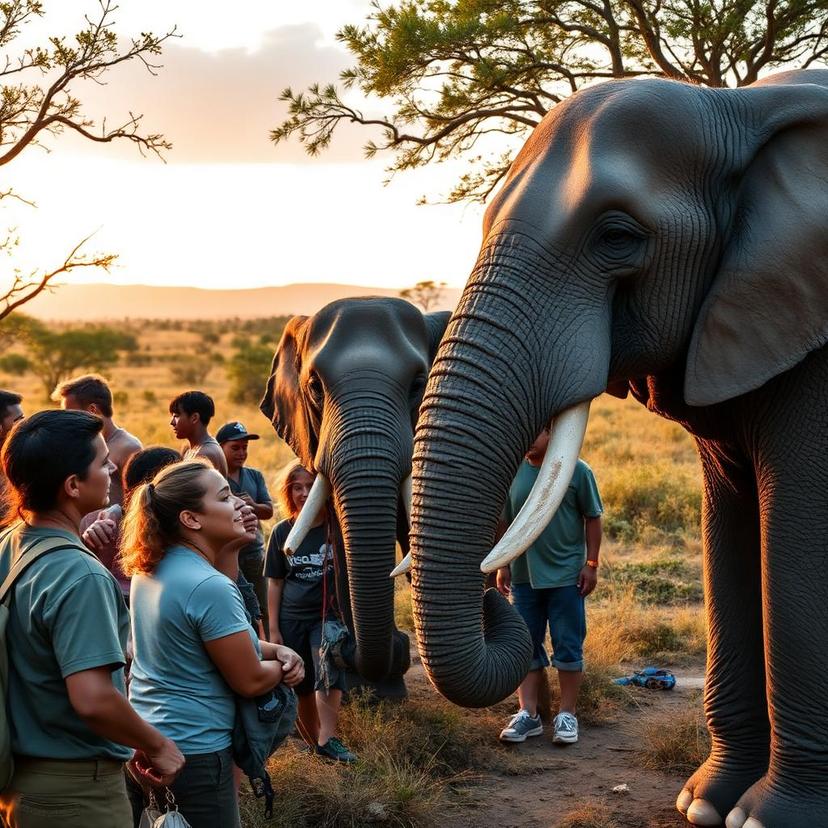
"James left his corporate job to spend 6 months at a wildlife sanctuary. Now he's a full-time conservationist."
James Chen