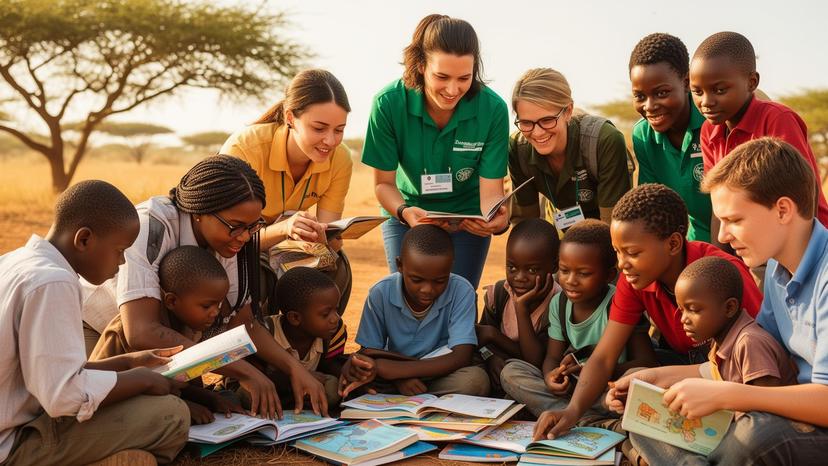
Teaching
How Teaching in Kenya Changed My Career Path
"Sarah spent three months teaching at Ombogu Primary School and returned home with a new purpose in life."
Sarah Mitchell
🌍 Summer 2026 Programs Now Open! Secure your spot on a life-changing volunteer program — Limited spots — limited spaces available!Explore programs →
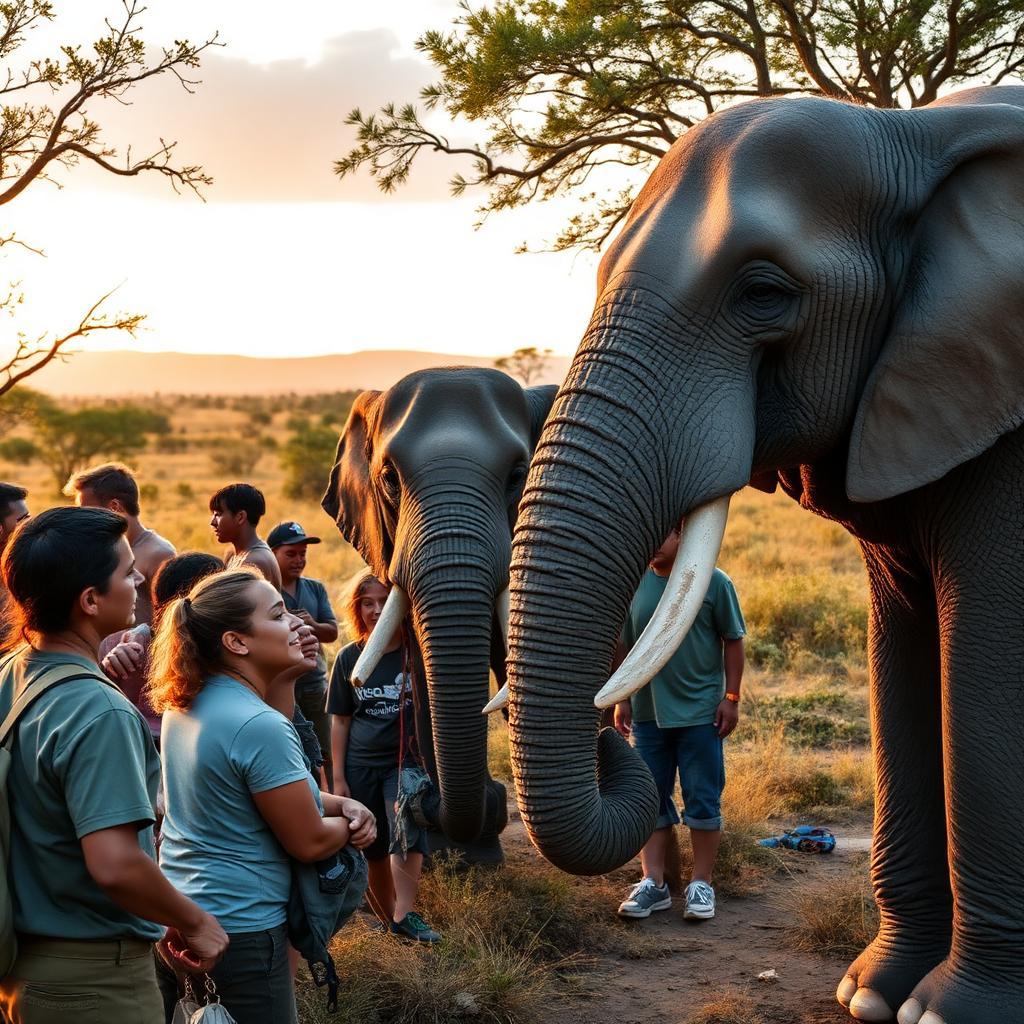
"Treating injured wildlife at a rehabilitation sanctuary reconnected me with why I became a vet in the first place."
After eight years of small-animal practice in suburban Chicago, I was burning out. My days were filled with wellness checks on pampered golden retrievers, dental cleanings, and the occasional emergency that reminded me why I'd endured veterinary school. But the spark that had driven me through those brutal years of study — the dream of working with wildlife, of using my hands to heal creatures that couldn't ask for help — had dimmed to almost nothing. I was considering leaving the profession entirely when a colleague mentioned a wildlife rehabilitation sanctuary near Hoedspruit, South Africa, that accepted veterinary volunteers. I applied that same night, arranged three months of coverage at my clinic, and booked a flight before I could talk myself out of it.
The Hoedspruit Wildlife Rehabilitation Centre sits at the edge of the Greater Kruger ecosystem, surrounded by bushveld that stretches to every horizon. When I arrived, the sanctuary was caring for over two hundred animals — from orphaned baby vervet monkeys to a full-grown leopard recovering from a snare injury. The veterinary team consisted of one permanent vet, Dr. Pieter van der Merwe, two vet nurses, and whatever volunteers showed up. The workload was staggering. In my first week, I assisted with a surgery on a pangolin that had been caught in a wire snare, treated a honey badger with a fractured jaw, and bottle-fed a three-day-old rhino calf whose mother had been killed by poachers. Nothing in my suburban practice had prepared me for this.
Daily life at the sanctuary started before dawn. The morning rounds began at 5:30 AM, checking on every patient — adjusting IV drips, changing bandages, administering medications, and assessing recovery progress. By 8 AM, we'd move to scheduled procedures: surgeries, dental work, X-rays, and rehabilitation exercises. Afternoons were dedicated to intake assessments of newly arrived animals, community outreach visits to local farms and villages, and the endless administrative work that keeps a nonprofit running. Evenings often involved emergency calls — animals don't schedule their crises conveniently. I worked harder than I'd ever worked in my life, slept less, earned nothing, and felt more alive than I had in years.
The challenges were both professional and emotional. Veterinary medicine in a wildlife setting operates with fewer resources, less predictable patients, and higher stakes than small-animal practice. You can't look up a dosage chart for a pangolin — you calculate from first principles, consult with colleagues, and hope. Some animals arrived in conditions so terrible that euthanasia was the kindest option. A young elephant calf brought in with a leg shattered by a poacher's bullet broke me completely. We fought for three days to save her before accepting the inevitable. I sat with her as Dr. Pieter administered the injection, my hand on her trunk, and sobbed. The grief was overwhelming, but Dr. Pieter said something that stuck with me: 'If it stops hurting, you need to stop doing this work. The pain means you still care.'
The breakthrough moment came six weeks in, with a Cape vulture named Kaya. She'd been brought in with lead poisoning — likely from feeding on a carcass contaminated with lead ammunition. Lead poisoning in vultures is a conservation crisis across southern Africa, killing thousands annually. We chelated the lead from her system over two weeks of intensive treatment, and I personally managed her recovery. The day we released Kaya back into the wild — watching her stretch those enormous wings and catch a thermal, spiraling upward until she was just a speck against the blue — I felt the spark reignite. This was why I'd become a veterinarian. Not for the routine, not for the paycheck, but for this: returning a wild creature to the sky where it belonged.
The bonds I formed at the sanctuary went deeper than professional collegiality. Dr. Pieter became a mentor who taught me more about wildlife medicine in three months than I could learn in years of textbooks. The vet nurses, Lerato and Thandi, shared their encyclopedic knowledge of indigenous animal species and traditional remedies that sometimes complemented our Western treatments. The other volunteers — a rotating cast of veterinary students, gap-year travelers, and burned-out professionals like me — formed an intense community bound by shared purpose and shared exhaustion. We celebrated every successful release and mourned every loss together, usually over braai and cheap wine under the southern stars.
Returning to my clinic in Chicago after three months felt like stepping backward in time. The golden retrievers were still there, still pampered, and still deserving of good care. But I was different. I'd restructured my practice to include one day per week of pro bono work for local wildlife rehabilitation, and I now consult remotely with the Hoedspruit team on complex cases. I've returned twice for shorter stints and am planning to transition to wildlife veterinary medicine full-time within the next two years. To any vet feeling the burnout creeping in: go find the animals that need you most. They won't thank you with tail wags, but they'll remind you why you chose this impossible, heartbreaking, magnificent profession.
Get volunteer tips, destination guides, and opportunities delivered to your inbox.
"Sarah spent three months teaching at Ombogu Primary School and returned home with a new purpose in life."
Sarah Mitchell
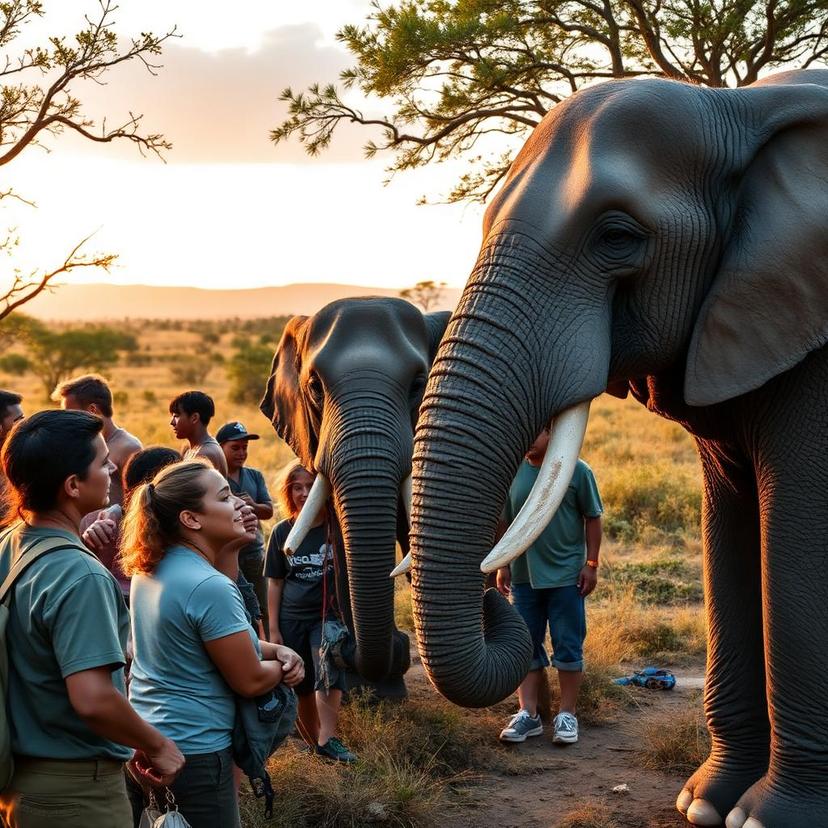
"James left his corporate job to spend 6 months at a wildlife sanctuary. Now he's a full-time conservationist."
James Chen