Teaching
How Teaching in Kenya Changed My Career Path
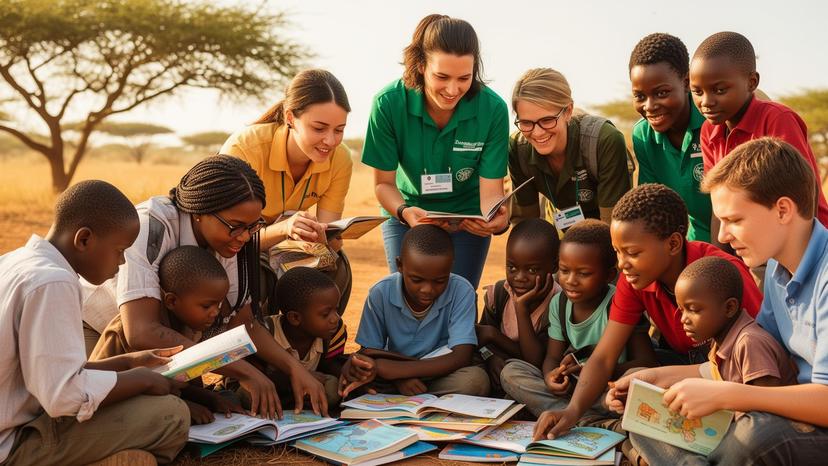
"Sarah spent three months teaching at Ombogu Primary School and returned home with a new purpose in life."
Sarah Mitchell
🌍 Summer 2026 Programs Now Open! Secure your spot on a life-changing volunteer program — Limited spots — limited spaces available!Explore programs →

"Balancing freelance coding with teaching English in Chiang Mai showed me that giving back and earning a living aren't mutually exclusive."
I'd been a digital nomad for two years when the emptiness hit. I was sitting in a beautiful coworking space in Bali, building a React app for a fintech startup I'd never met in person, eating a twelve-dollar acai bowl, and wondering why I felt so hollow. I had location independence, a solid freelance income, and the freedom everyone on LinkedIn seemed to envy. What I didn't have was purpose. Every city blurred into the same routine: find coworking space, open laptop, code, eat, sleep, move on. I was a tourist everywhere and a resident nowhere. When I stumbled across a volunteer program in Chiang Mai that specifically welcomed remote workers, something clicked. Four months of teaching English while maintaining my freelance clients — structured purpose without sacrificing my livelihood.
Chiang Mai was already a digital nomad hub, which meant the infrastructure for remote work was excellent — fast internet, abundant coffee shops, and a community of location-independent workers. But the volunteer program took me far outside the nomad bubble. The school was in a village thirty minutes outside the city, serving students from ethnic minority communities — Hmong, Karen, and Lahu families whose children often struggled in the Thai-language mainstream education system. English proficiency was their ticket to better opportunities, and the school's resources for teaching it were severely limited. I arrived with a TEFL certificate I'd completed online, a laptop full of teaching resources, and the nervous energy of someone who'd never stood in front of a classroom.
My daily routine split cleanly in two. From 6 AM to 11 AM, I was a software engineer — video calls with clients, code reviews, sprint planning, debugging. I'd set up a workspace in my apartment with the kind of reliable internet connection that the school didn't have. At noon, I'd ride my motorbike to the school and transform into Teacher Aisha. From 1 PM to 4 PM, I taught three classes of students aged twelve to sixteen. The cognitive switch between coding and teaching was jarring at first but became oddly complementary. Both required clear communication, breaking complex ideas into digestible steps, and relentless patience with debugging — whether it was code or grammar.
The challenges were substantial and specific to the dual-life arrangement. Client deadlines didn't pause because I had a class to teach. One particularly brutal week, I was shipping a major feature while simultaneously preparing students for an English assessment. I coded until 2 AM, taught on four hours of sleep, and nearly burned out completely. I had to learn strict boundaries — turning off Slack after 11 AM, being honest with clients about my availability, and accepting that neither role would get 100% of my energy every day. There were also cultural challenges in the classroom. Some students' families didn't see the value of English education, and attendance fluctuated with agricultural seasons when children were needed for harvest work.
The breakthrough moment came three months in, during a lesson on job interviews. I'd set up mock interviews where students practiced introducing themselves and answering basic questions in English. Sixteen-year-old Somchai — who'd been one of my most reluctant students, barely speaking above a whisper — delivered a mock interview so polished and confident that the entire class applauded. Afterward, he told me he wanted to work in a hotel in Chiang Mai so he could support his family. 'But first, I need English,' he said. 'You showed me it's possible.' That evening, sitting on my apartment balcony watching the sun set behind Doi Suthep, I cried for the first time in months. Not from sadness — from the overwhelming feeling of finally doing something that mattered.
The relationships I built in Chiang Mai were unlike any from my nomad years. The teaching staff at the school — Khun Pim, Khun Noi, and the headmaster Ajarn Somkiat — welcomed me not as a temporary visitor but as a colleague. They invited me to temple ceremonies, family dinners, and a wedding that lasted three days. My students added me on Line messenger and sent me photos of their homework and daily lives. The other volunteers became genuine friends rather than the transient connections I'd grown accustomed to in coworking spaces. For the first time in two years of traveling, I felt rooted somewhere.
Four months in Chiang Mai fundamentally restructured my life. I returned to freelancing, but I now dedicate 30% of my working hours to pro bono development for educational nonprofits. I've built free apps for three schools in Southeast Asia. I also wrote an open-source curriculum for teaching basic web development in low-resource settings, which has been adopted by twelve organizations worldwide. The digital nomad lifestyle doesn't have to be extractive — you can consume a place's beauty and culture while also contributing to it. My advice to other remote workers: you have skills the world desperately needs. Find a way to share them. The acai bowls will still be there when you're done.
Get volunteer tips, destination guides, and opportunities delivered to your inbox.
"Sarah spent three months teaching at Ombogu Primary School and returned home with a new purpose in life."
Sarah Mitchell
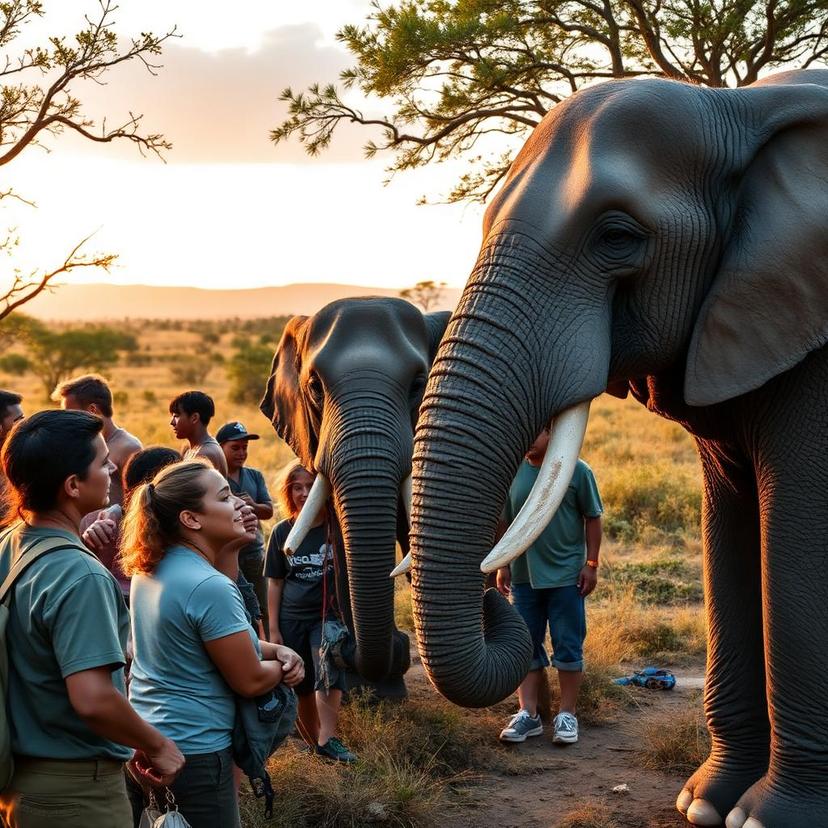
"James left his corporate job to spend 6 months at a wildlife sanctuary. Now he's a full-time conservationist."
James Chen