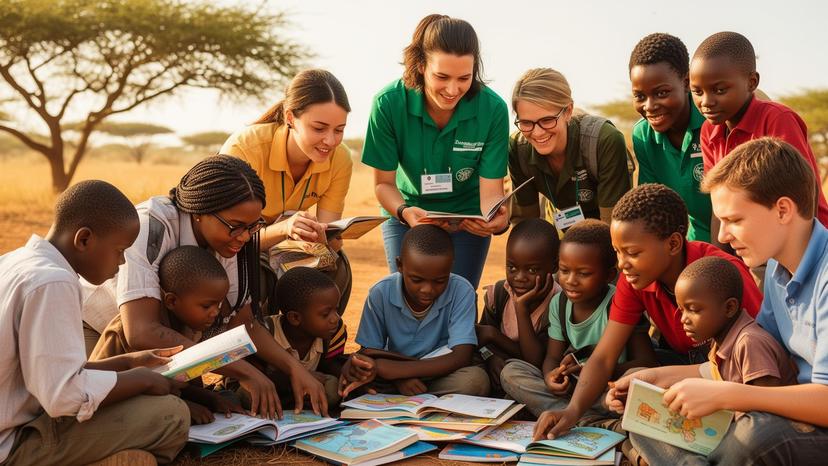
Teaching
How Teaching in Kenya Changed My Career Path
"Sarah spent three months teaching at Ombogu Primary School and returned home with a new purpose in life."
Sarah Mitchell
🌍 Summer 2026 Programs Now Open! Secure your spot on a life-changing volunteer program — Limited spots — limited spaces available!Explore programs →
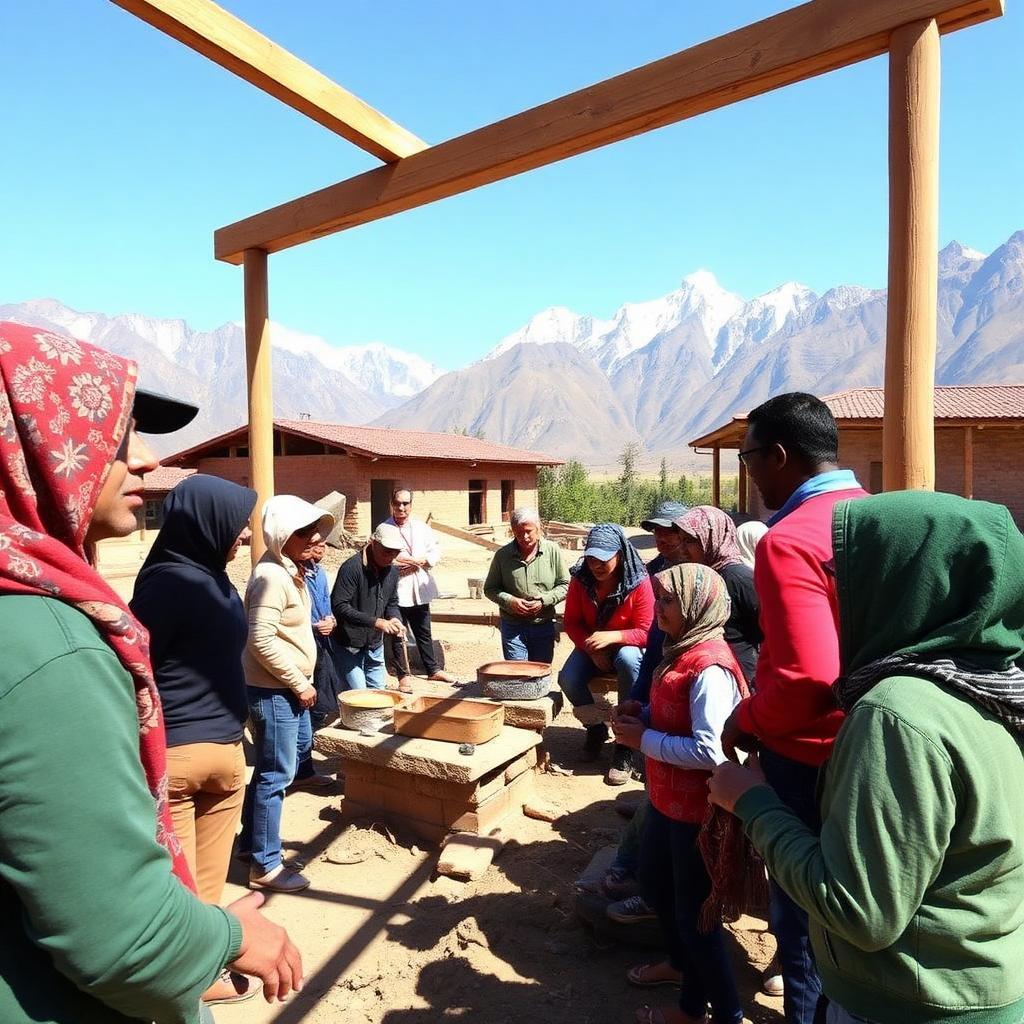
"How a wheelchair user found meaningful work in community development and proved that accessibility is a mindset, not just infrastructure."
I've been a wheelchair user since I was nineteen, when a spinal cord injury during a rugby match changed everything I thought I knew about my future. Twelve years later, I've built a career in adaptive technology, completed three marathons, and learned that the only real barriers are the ones people construct in their minds. But volunteering abroad? That felt like a barrier I couldn't wheel past. Every program I researched seemed designed for able-bodied people — hiking to remote villages, manual construction work, physical tasks that assumed two working legs. It took me two years of searching before I found an organization in Nepal that didn't just tolerate disabled volunteers but actively welcomed them.
When I told my family I was going to Nepal — a country famous for its mountains and notoriously challenging terrain — they thought I'd lost my mind. My mother pulled up Google Images of Kathmandu's steep staircases and narrow alleyways. My father, who'd barely accepted my wheelchair marathons, went quiet for three days. But I'd done my homework. The program was based in Pokhara, a lakeside city with flatter terrain, and they'd already hosted two wheelchair-using volunteers before me. They sent me detailed accessibility reports, photos of adapted accommodation, and a brutally honest assessment of what would and wouldn't be possible. That honesty was worth more than any amount of cheerful marketing.
My first morning in Pokhara, I wheeled myself down to Phewa Lake as the sun rose over the Annapurna range. The reflection of the mountains on the water was so beautiful it physically hurt. A local man selling tea from a cart waved me over and handed me a cup without a word. We sat together in silence, watching the light change, and I thought: I'm here. I actually made it. The program placed me with a community development organization working on inclusive education initiatives — designing learning materials and classroom layouts that could accommodate children with disabilities. Nepal has an estimated 1.94 million people living with disabilities, and access to education remains profoundly unequal. My lived experience wasn't just relevant; it was essential.
The daily work was intellectually demanding and deeply fulfilling. Mornings involved visiting schools to assess physical accessibility — doorway widths, bathroom facilities, desk heights, playground surfaces. Afternoons were spent in the office designing modifications and creating training materials for teachers on inclusive classroom practices. I worked alongside Suman, a Nepali man who'd lost his leg to a landmine as a child and now ran the organization. His knowledge of local conditions and my expertise in adaptive design made us an effective team. Not everything was smooth. Pokhara's sidewalks are inconsistent at best and non-existent at worst. I got stuck in mud twice, had to be carried over a drainage ditch once, and spent one memorable afternoon navigating a market so crowded that I couldn't move in any direction for ten minutes. There were moments of frustration so intense I wanted to scream.
The breakthrough came in the fourth week, when we presented our accessibility audit to a group of school principals. I'd expected polite nods and filed-away reports. Instead, the headmistress of the largest school stood up and said, 'We have seventeen students who stopped attending because they couldn't access our classrooms. When can we start?' Within days, we were working with local carpenters to build ramps and modify desks. The cost was minimal — most modifications used locally available materials and cost less than fifty dollars per classroom. Watching a nine-year-old girl named Kamala wheel herself into a classroom for the first time in two years was the single most powerful moment of my life.
The relationships I formed in Pokhara transcended the usual volunteer-host dynamic. Suman and I developed a professional partnership that continues today — we're co-authoring a paper on low-cost accessibility solutions for schools in developing countries. My host family, the Gurungs, treated me like a son. Their eight-year-old daughter, Anjali, appointed herself my unofficial guide and would race ahead of me clearing obstacles from my path. The disability community in Pokhara embraced me immediately, and I spent weekends at a local disability rights organization sharing experiences and learning about the specific challenges faced by disabled people in Nepal.
Nepal didn't just change my perspective on volunteering — it changed my understanding of disability itself. In the West, we often frame disability through a medical model: something to be fixed. In Pokhara, I encountered a community that saw disability as a social issue — not a problem with the person, but a problem with the environment. That reframing was profound. I returned home and pivoted my consulting practice entirely toward international accessibility design. To anyone with a disability considering volunteering abroad: the world isn't built for us, but that's exactly why we need to show up in it. Your experience isn't a limitation — it's your most valuable qualification.
Get volunteer tips, destination guides, and opportunities delivered to your inbox.
"Sarah spent three months teaching at Ombogu Primary School and returned home with a new purpose in life."
Sarah Mitchell
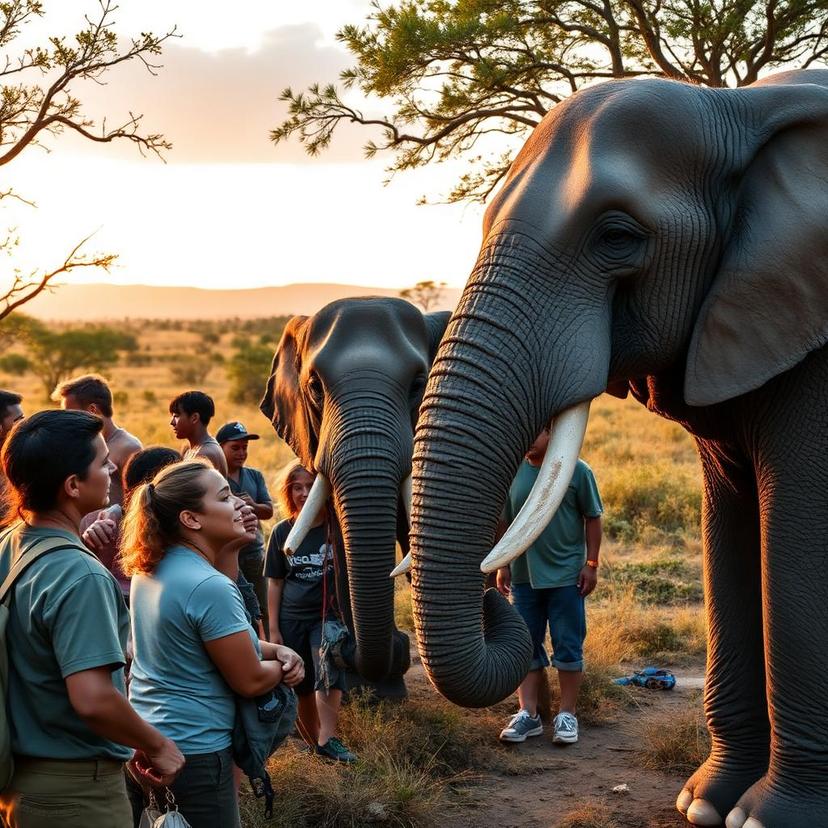
"James left his corporate job to spend 6 months at a wildlife sanctuary. Now he's a full-time conservationist."
James Chen