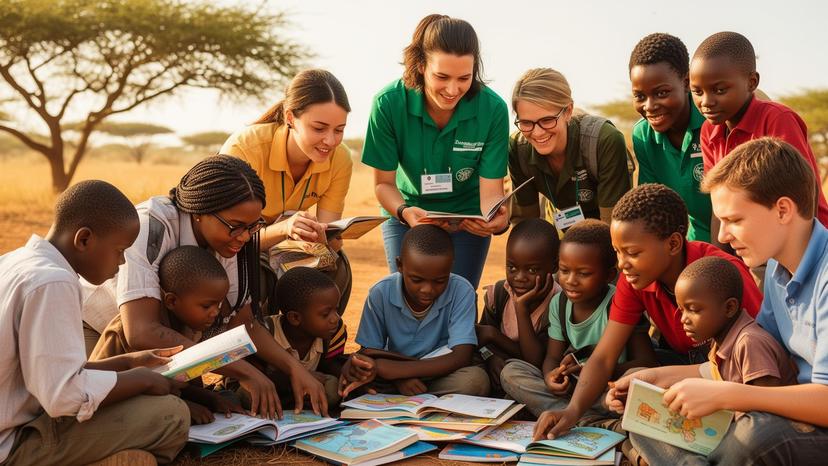
Teaching
How Teaching in Kenya Changed My Career Path
"Sarah spent three months teaching at Ombogu Primary School and returned home with a new purpose in life."
Sarah Mitchell
🌍 Summer 2026 Programs Now Open! Secure your spot on a life-changing volunteer program — Limited spots — limited spaces available!Explore programs →
"Tom proved that physical disability doesn't prevent meaningful volunteering — and challenged every assumption along the way."
I became a paraplegic at twenty-three after a climbing accident. In the twenty-two years since, I've built a successful career as an accessibility consultant, competed in wheelchair marathons, and raised two children. But when I told people I wanted to volunteer abroad, the reaction was always the same: concern, skepticism, and a gentle suggestion that maybe I could 'help from home instead.'
I refused to accept that. After extensive research, I found a program in Cape Town, South Africa, that had genuine wheelchair accessibility and was willing to adapt their placements for volunteers with physical disabilities. Their honesty about what was and wasn't accessible was more valuable than any amount of vague reassurance.
My placement was with a community organization running life skills workshops in townships outside Cape Town. My role involved facilitating sessions on career planning, financial literacy, and — ironically — overcoming barriers. The irony wasn't lost on anyone when I rolled into my first session in a wheelchair to talk about not letting obstacles stop you.
"You came all the way from England in that chair?" asked Thabo, a teenager in my first workshop, with genuine amazement. When I said yes, he shook his head and said, 'Then I have no excuse.' It was a simple exchange, but it captured why representation matters — in volunteering as much as anywhere else.
I won't pretend it was easy. Cape Town's infrastructure varies wildly in accessibility. Some venues were perfect; others required creative problem-solving — ramps fashioned from wooden planks, alternative routes through buildings, and the occasional very undignified moment being carried up steps by enthusiastic volunteers. I learned to laugh at the absurdity and focus on the work.
The program also connected me with local disability rights organizations, and I spent weekends consulting on accessibility improvements for public buildings and transport. This wasn't part of my original placement, but my professional expertise filled a genuine need. It was the most impactful pro bono work I've ever done.
Over six weeks, I facilitated twenty-four workshops reaching over three hundred young people. More importantly, I demonstrated that disabled people belong in international volunteering — not as inspirational tokens, but as skilled contributors with unique perspectives. The organization has since expanded their accessible placements, and I'm advising them on further improvements. My message to other disabled people considering volunteering abroad: the world isn't perfectly accessible, but don't let perfect be the enemy of possible. Go anyway.
Get volunteer tips, destination guides, and opportunities delivered to your inbox.
"Sarah spent three months teaching at Ombogu Primary School and returned home with a new purpose in life."
Sarah Mitchell
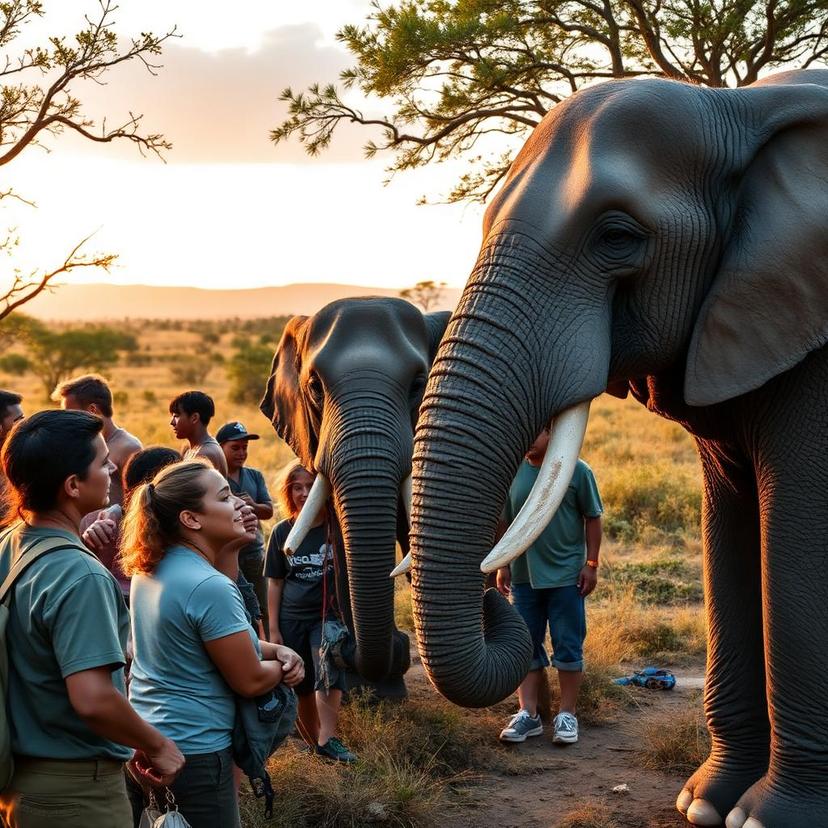
"James left his corporate job to spend 6 months at a wildlife sanctuary. Now he's a full-time conservationist."
James Chen