
What you wear while volunteering abroad matters more than you might think. Clothing choices communicate respect, cultural awareness, and professionalism — or the lack thereof. Volunteers sometimes show up to teaching placements in tank tops and shorts in countries where that level of exposure is deeply offensive, or arrive at construction sites in sandals and flowy dresses. Both extremes cause problems.
This guide will help you pack appropriately for any volunteer destination, organized by region and work type. The goal is not to abandon your personal style — it is to show respect for your host community while staying comfortable and safe.
General Principles That Apply Everywhere
Before getting into regional specifics, these universal principles should guide your wardrobe:
Dress more conservatively than you would at home. When in doubt, cover more rather than less. You can always roll up sleeves or remove a layer, but you cannot add clothing you did not pack.
Observe what local people wear. The single best dress code guide is the people around you. Watch what women and men of similar age wear in your community, and aim for that level of formality and coverage.
Prioritize function over fashion. You are there to work, not to make a fashion statement. Durable, washable, quick-drying clothing will serve you far better than anything delicate or dry-clean only.
Bring enough to wash weekly. Most volunteers do not have daily laundry access. Pack enough clothing for one week, with the expectation that you will hand-wash or find a local laundry service weekly.
Respect sacred spaces. Temples, mosques, churches, and other religious sites have strict dress codes regardless of the surrounding culture. Always carry a scarf or sarong for covering up when entering religious spaces.
South and Southeast Asia
Recommended Reading
Conservative Dress Expectations
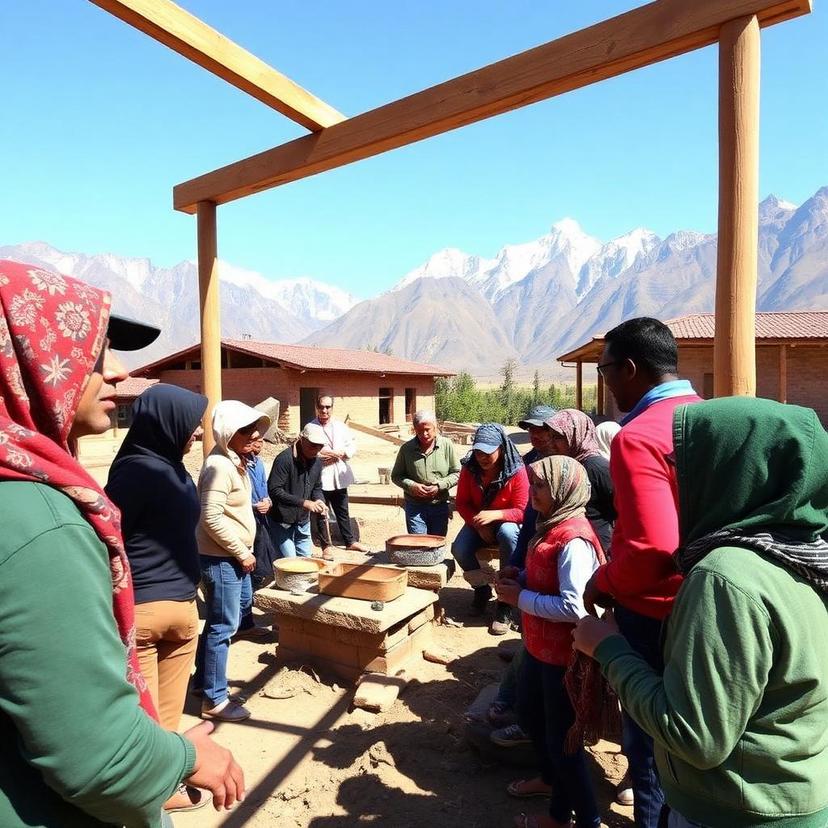
South Asia (India, Nepal, Sri Lanka, Bangladesh) and parts of Southeast Asia (particularly rural areas) have conservative dress norms that catch many Western volunteers off guard.
For women:
For men:
Climate Considerations
South and Southeast Asia are predominantly hot and humid. Choose:
Temple and Mosque Visits
Middle East and North Africa
Strict Modesty Norms
The Middle East and North Africa require the most conservative dress of any volunteer destination. These norms are rooted in religious and cultural values and are non-negotiable for volunteers.
For women:
For men:
Heat Management
The Middle East is extremely hot, especially from May to October. Despite the need for full coverage:
Sub-Saharan Africa
Varied Expectations by Country
Africa is a continent of 54 countries with enormous cultural diversity, so generalizations are difficult. However, some patterns hold:
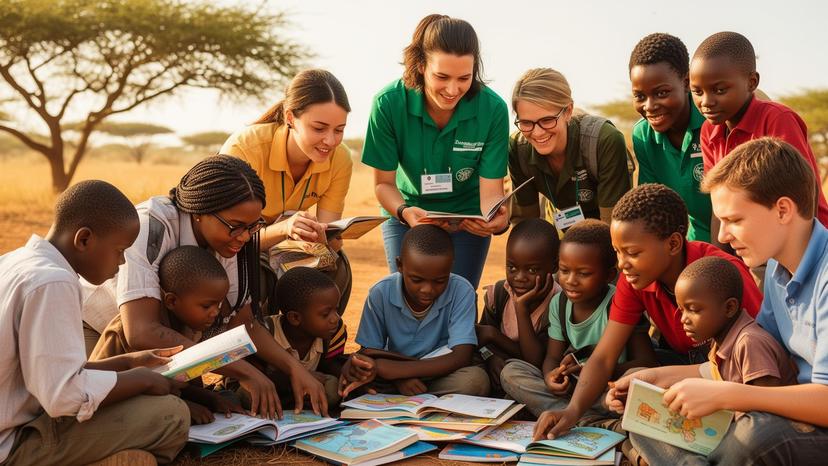
Urban areas in East and Southern Africa (Kenya, Tanzania, South Africa, Uganda) are relatively relaxed about Western clothing, but modesty is still valued. Knee-length shorts and T-shirts are generally fine for casual settings.
Rural areas across the continent tend to be more conservative. Women should cover knees and shoulders, and men should wear long trousers in community settings.
West Africa (Ghana, Senegal, Nigeria) has a vibrant textile culture. Wearing locally made clothing — wax print fabrics, kente cloth, or other traditional styles — is enthusiastically welcomed and shows cultural respect.
Muslim-majority regions (Northern Nigeria, Senegal, parts of East Africa) follow modesty norms similar to the Middle East section above.
Construction and Physical Work
Many African volunteer placements involve physical outdoor work — building, farming, wildlife conservation. For these settings:
Latin America
Generally Relaxed but Contextual
Latin America tends to have more relaxed dress codes than Asia, Africa, or the Middle East, but context matters enormously.
Urban areas: Most clothing acceptable in the US or Europe is fine in Latin American cities. However, flashy or expensive-looking clothing and jewelry can make you a target for petty theft.
Rural and indigenous communities: Dress more conservatively. Cover shoulders and knees, avoid overly casual or revealing clothing. In indigenous communities, ask your program coordinator about specific expectations.
Teaching placements: Business casual is the standard for school settings across Latin America. Men should wear collared shirts and trousers. Women should wear blouses and skirts or trousers.
Beach communities (e.g., Costa Rica, Ecuador coast): More casual dress is acceptable, but beach clothing should stay at the beach. Wearing a bikini top or board shorts to a community center is inappropriate.
Climate Tips for the Tropics
School and Teaching Settings — Universal Guide
Teaching is one of the most common volunteer activities, and schools worldwide expect a higher standard of dress:
Packing Strategy
Based on the principles above, here is a versatile packing list that works across most destinations:
Pack everything in neutral, muted colors. Bright patterns and logos are fine for casual settings but less appropriate for community and professional work.
The Bottom Line
Clothing may seem like a minor detail compared to the work you will do as a volunteer, but it is one of the first and most visible ways you communicate respect for your host community. Taking 30 minutes to research local dress norms before packing shows that you value the culture you are entering. When in doubt, err on the side of modesty, observe local norms once you arrive, and always carry a scarf.
Ready to Start Your Volunteer Journey?
Explore ethical programs in Kenya, Nepal, Thailand, and more.
View programs on our sister site, VolunteerToTheWorld.comEditorial team
Written and maintained by the Volunteer World Guide editorial team. Our editorial policy explains how we research, source and review what we publish.
Stay in the Loop
Get volunteer tips, destination guides, and opportunities delivered to your inbox.
You May Also Like


Related Programs on VolunteerToTheWorld.com
Ready to take the next step? Explore programs related to this article on our sister site.