Early Bird 2026: Book before March 31 — 15% off your placement fee!Explore programs →

    Sustainable Volunteering: Minimizing Your Environmental Footprint
    Trends

    Sustainable Volunteering: Minimizing Your Environmental Footprint

    How to volunteer abroad responsibly by reducing your carbon footprint, choosing eco-friendly programs, and practicing sustainable travel.

    David ChenDavid ChenMarch 16, 202611 min read

    International volunteering creates a paradox: you travel thousands of miles (generating significant carbon emissions) to help communities and environments that may be suffering from the effects of climate change. Sustainable volunteering addresses this tension by minimizing environmental impact while maximizing positive social contribution.

    The Carbon Cost of Volunteering Abroad

    Let us start with honest numbers. A return flight from London to Nairobi generates approximately 1.5 tonnes of CO2 per passenger. That is roughly 15% of the average UK citizen's annual carbon footprint in a single trip. For flights to Southeast Asia, the figure rises to 2-3 tonnes.

    This does not mean you should not fly to volunteer. But it does mean you should be intentional about offsetting that impact and making choices throughout your trip that minimize additional environmental damage.

    Choosing Eco-Friendly Programs

    Environmental Programs with Direct Impact

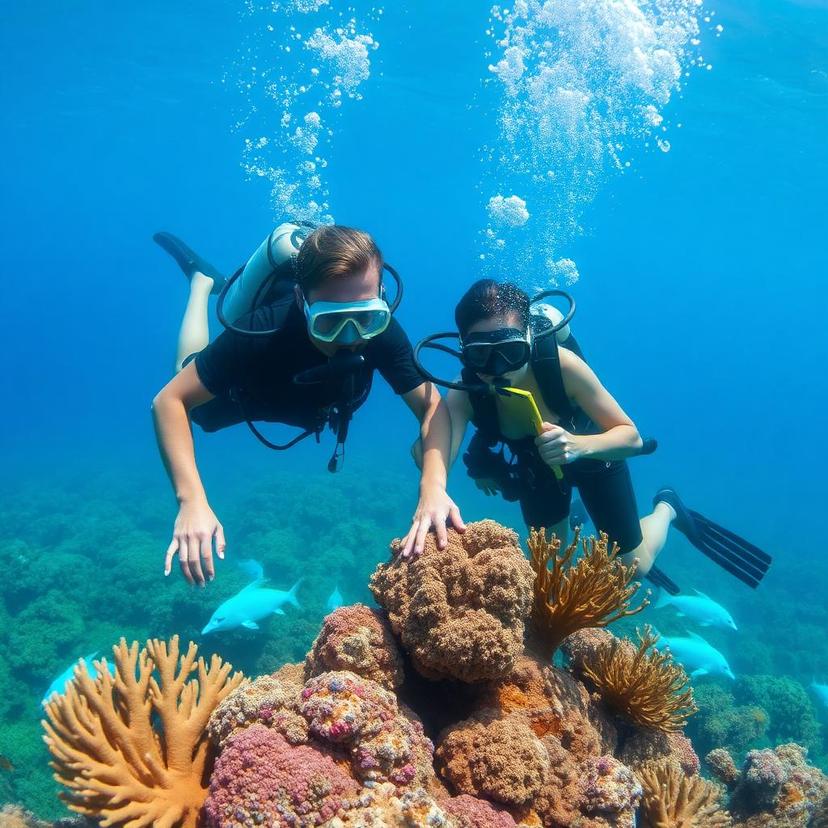
    The most straightforward approach is to volunteer on programs that directly benefit the environment. Conservation, reforestation, marine restoration, and environmental education programs create positive ecological impact that can offset (and over time, exceed) the carbon cost of your travel.

    Programs to look for:

  1. Coral reef restoration — healthy reefs absorb CO2 and support marine biodiversity
  2. Reforestation and agroforestry — trees are the most effective carbon sinks we have
  3. Marine conservation — protecting ocean ecosystems that regulate global climate
  4. Sustainable agriculture — helping communities transition from slash-and-burn to regenerative farming
  5. Evaluating Program Sustainability

    Even non-environmental programs can be more or less sustainable. Ask potential organizations:

  6. What is your environmental policy? Good organizations have explicit sustainability commitments.
  7. How do you source food and materials? Local sourcing supports the economy and reduces transport emissions.
  8. What happens to waste? Proper waste management and recycling programs matter.
  9. Do you use renewable energy? Solar panels and water conservation systems indicate environmental commitment.
  10. How do you handle volunteer transport? Programs that use public transport or bikes over private vehicles are more sustainable.
  11. Sustainable Travel Practices

    Before You Go

  12. Offset your flights. Use verified carbon offset providers like Gold Standard or Verified Carbon Standard. Expect to pay $15-$40 to offset a long-haul return flight.
  13. Pack light. Heavier planes use more fuel. Each kilogram of luggage adds to emissions.
  14. Choose direct flights when possible. Takeoff and landing generate the most emissions per flight.
  15. Bring reusable items: water bottle with filter, shopping bag, food containers, and cutlery. This eliminates daily single-use plastic.
  16. During Your Placement

  17. Use public transport or walk/cycle instead of taxis or private vehicles.
  18. Eat locally. Local food has traveled less distance and supports the local economy. Reducing meat consumption also significantly lowers your environmental footprint.
  19. Conserve water. Many volunteer destinations face water scarcity. Take shorter showers, report leaks, and reuse towels.
  20. Minimize electricity use. Turn off lights and fans when leaving rooms. Charge devices during the day when solar power is available.
  21. Refuse single-use plastics. Carry your own water bottle, say no to plastic straws, and bring a reusable shopping bag to markets.
  22. Use reef-safe sunscreen. Chemical sunscreens (containing oxybenzone and octinoxate) damage coral reefs. Choose mineral-based alternatives.
  23. Weekend Travel

  24. Travel overland between destinations rather than taking domestic flights.
  25. Choose eco-lodges or community-run accommodation for weekend trips.
  26. Visit national parks and protected areas where your entrance fee supports conservation.
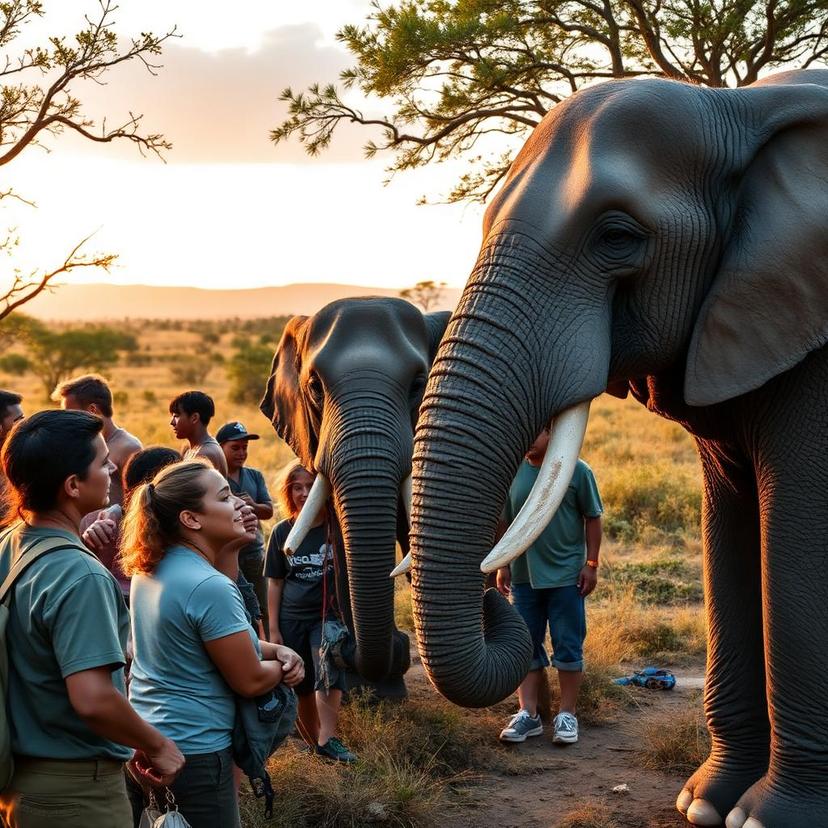
  27. Avoid activities that exploit animals or damage environments (elephant riding, jet-skiing over coral, etc.).
  28. The Longer Stay Principle

    One of the most impactful sustainability choices is simply staying longer. A volunteer who flies once and stays for 3 months generates far less carbon per week of service than three volunteers who each fly for a 1-month placement.

    Longer placements also create deeper impact. You learn the language better, build stronger community relationships, and contribute more effectively as you understand local context. It is better for the planet and better for the community.

    Carbon Offset vs. Carbon Avoidance

    Carbon offsetting (paying for trees to be planted or renewable energy projects) is good, but carbon avoidance is better. Before offsetting, first reduce what you can:

  29. Can you travel overland for part of your journey?
  30. Can you extend your placement to make the flight more worthwhile?
  31. Can you combine your volunteer trip with other travel rather than making separate flights?
  32. Can you do some virtual volunteering before and after your in-person placement to extend your impact?
  33. Building Sustainability into Your Volunteer Work

    Beyond personal practices, advocate for sustainability within your volunteer program:

  34. Suggest improvements if you notice waste or inefficiency (diplomatically and respectfully)
  35. Share sustainable practices with fellow volunteers and local community members
  36. Include environmental education in teaching programs where appropriate
  37. Document environmental issues and share findings with program coordinators
  38. Support local environmental initiatives by purchasing from eco-friendly local businesses
  39. Measuring Your Impact

    Track both your positive impact and your environmental cost:

    Positive impact examples:

  40. Coral fragments planted
  41. Trees planted or maintained
  42. Students educated about environmental issues
  43. Plastic waste collected from beaches and waterways
  44. Community members trained in sustainable practices
  45. Environmental cost examples:

  46. Flight emissions (use a carbon calculator)
  47. Domestic travel emissions
  48. Waste generated during your stay
  49. If your positive environmental impact exceeds your costs, you can genuinely say your volunteer trip was carbon-positive. Many conservation programs achieve this for volunteers who stay 4+ weeks.

    The Bottom Line

    Sustainable volunteering is not about being perfect — it is about being intentional. Every flight you take has an environmental cost. The question is whether the impact you create abroad justifies that cost, and whether you are doing everything reasonable to minimize your footprint along the way. Choose programs with environmental purpose, practice sustainable habits, stay as long as you can, and offset what you cannot avoid. The planet and the communities you serve will benefit from your thoughtfulness.

    Ready to Start Your Volunteer Journey?

    Explore ethical programs in Kenya, Nepal, Thailand, and more.

    View Programs on VolunteerToTheWorld.com
    David Chen
    David Chen

    Conservation Specialist

    Marine biologist and conservation advocate with fieldwork experience across four continents.

    Share this article:

    Stay in the Loop

    Get volunteer tips, destination guides, and opportunities delivered to your inbox.

    Weekly updates. No spam. Unsubscribe anytime.

    Ready to Start Volunteering?

    Browse 200+ verified volunteer programs on our partner site.

    Related Programs on VolunteerToTheWorld.com

    Ready to take the next step? Explore verified programs related to this article.