
One of the most important decisions you will make when choosing a volunteer program is whether to work in a rural or urban setting. Each offers distinct advantages, challenges, and types of impact. Understanding these differences will help you choose a placement where you can thrive and contribute most effectively.
The Rural Volunteer Experience
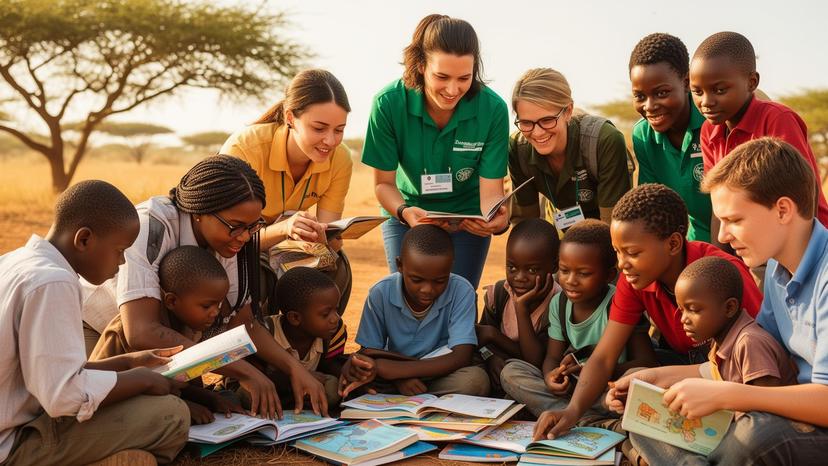
Rural volunteering places you in villages, small towns, or remote communities far from major cities. These placements typically involve teaching, community development, agriculture, or conservation work.
What Daily Life Looks Like
You wake to roosters crowing rather than traffic. Breakfast is prepared by your host family using locally grown food. You walk or cycle to your project site, passing neighbors who greet you by name. Your work might involve teaching at a small school, helping build a community water system, or monitoring wildlife in a nearby forest.
Evenings are quiet. There is no nightlife, limited internet, and your entertainment comes from conversations with host families, stargazing, or journaling. Weekends offer opportunities to explore the surrounding landscape on foot.
Recommended Reading
Advantages of Rural Volunteering
Challenges of Rural Volunteering
The Urban Volunteer Experience
Urban volunteering places you in cities or large towns where you work with organizations, schools, community centers, or NGOs.
What Daily Life Looks Like
You commute to your project site by bus, train, or tuk-tuk, navigating busy streets. Your work might involve teaching in a city school, supporting a women's cooperative, assisting at a community health clinic, or working with a tech nonprofit.
After work, you explore the city with fellow volunteers. There are restaurants, cafes, markets, and cultural events to enjoy. Weekends might include trips to museums, cultural sites, or nearby natural attractions.
Advantages of Urban Volunteering
Challenges of Urban Volunteering
Which Is Right for You?
Choose Rural If You...
Choose Urban If You...
Consider a Split Placement
Some organizations offer programs that combine urban orientation with rural fieldwork. You might spend your first week in a city for training and cultural orientation, then move to a rural site for the main volunteer work, returning to the city for debrief. This approach gives you the best of both worlds.
What Volunteers in Each Setting Commonly Report
Rural placements are often described as the hardest adjustment in the first week or two—limited internet, no hot water, and a real communication barrier—but volunteers who stick with it frequently say the difficulty is what deepens the connection to a host family and community. Urban placements, by contrast, tend to be valued for how directly professional skills such as web development translate into the work itself, producing something (a donation platform, a database, a report) that keeps functioning after the volunteer leaves. Split placements are generally reported as easing the transition: starting in a city gives volunteers language confidence and cultural footing before the bigger adjustment of a remote or rural site.
The Bottom Line
Neither rural nor urban volunteering is inherently better — the right choice depends on your personality, goals, and capacity for discomfort. Be honest with yourself about what you need to function well (internet? social life? privacy?) and choose accordingly. A volunteer who thrives in their environment contributes more than one who is constantly struggling to cope.
Ready to Start Your Volunteer Journey?
Explore ethical programs in Kenya, Nepal, Thailand, and more.
View programs on our sister site, VolunteerToTheWorld.comEditorial team
Written and maintained by the Volunteer World Guide editorial team. Our editorial policy explains how we research, source and review what we publish.
Stay in the Loop
Get volunteer tips, destination guides, and opportunities delivered to your inbox.
You May Also Like




Related Programs on VolunteerToTheWorld.com
Ready to take the next step? Explore programs related to this article on our sister site.